Why Competitive Gaming is So Toxic: The Psychology of Ranked Matches
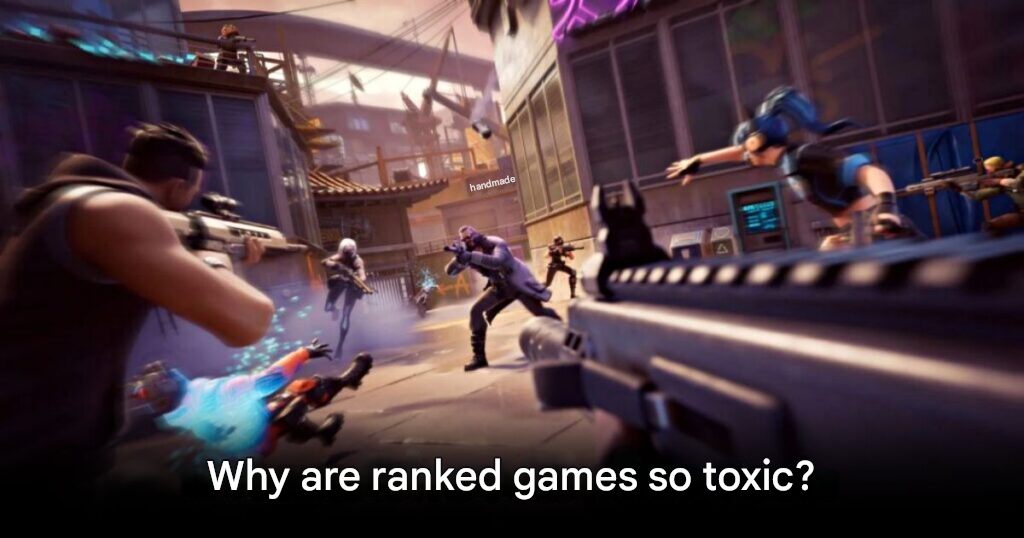
Why is Competitive Gaming Always Toxic? The Recipe for a “Salty” Community
Have you ever noticed that the more serious a game gets, the “hotter” the atmosphere becomes? What starts as a simple recommendation often turns into a heated insult. In the world of ranked matchmaking, Competitive + Anonymous has become the ultimate formula for toxicity. Why do players flame before the match even begins, especially when the common goal is victory?
Let’s dive into the six psychological reasons why toxicity has become the “new normal” in competitive gaming.
The 6 Pillars of Competitive Toxicity
1. The High “Emotional Value” of Winning
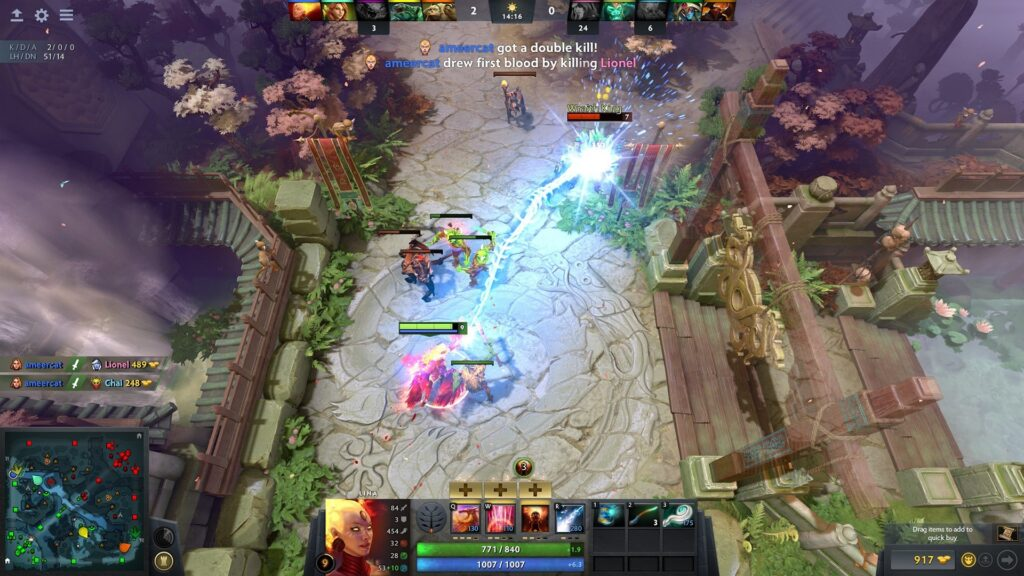
In a ranked system, there is no gray area; there is only a winner and a loser. Every match has a numerical value (Elo, MMR, or LP). Losing doesn’t just feel like a wasted game; it feels like a waste of time and a blow to your perceived skill level. When a single mistake can lower your rank, that frustration often manifests as a verbal attack on others.
2. The “Blame Game” in Team Structures
In team-based games, your success isn’t entirely in your hands. Even if you play perfectly, one teammate’s error can ruin the match. To protect their own Ego, players often resort to “External Attribution”—believing that they are doing their best and the problem is everyone else. This leads to immediate finger-pointing as a defense mechanism.
3. The Power of Anonymity (Keyboard Courage)
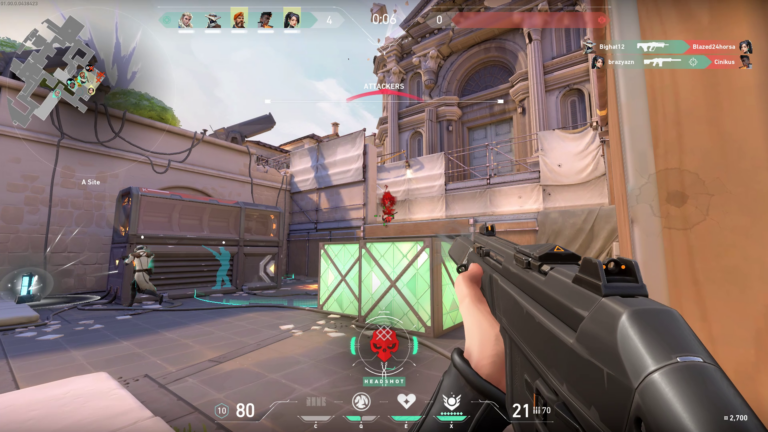
The internet provides a “Safety Buffer.” Without seeing a face or hearing a human voice, players feel zero social accountability. This anonymity removes the empathy usually found in face-to-face interactions, making it much easier to type a cruel message that they would never dare say in person.
4. The Pressure Cooker Effect
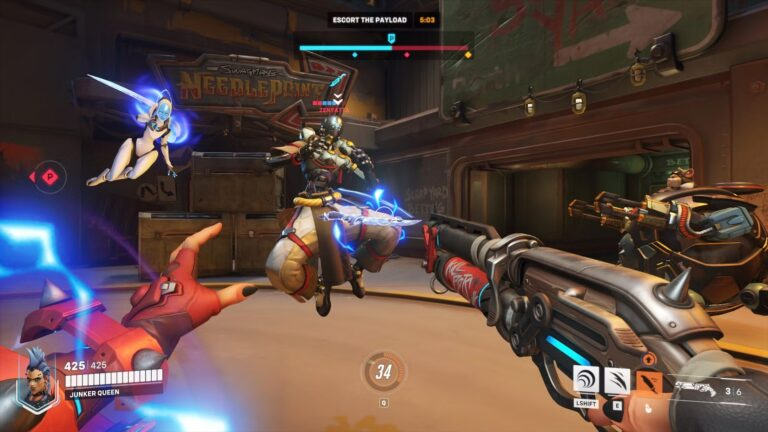
Competitive games are designed to trigger adrenaline and high focus. Fast-paced action and split-second decisions keep the brain in a high-stress state. When you are already on edge, any minor inconvenience acts as a spark for an emotional explosion.
5. Social Status and Identity
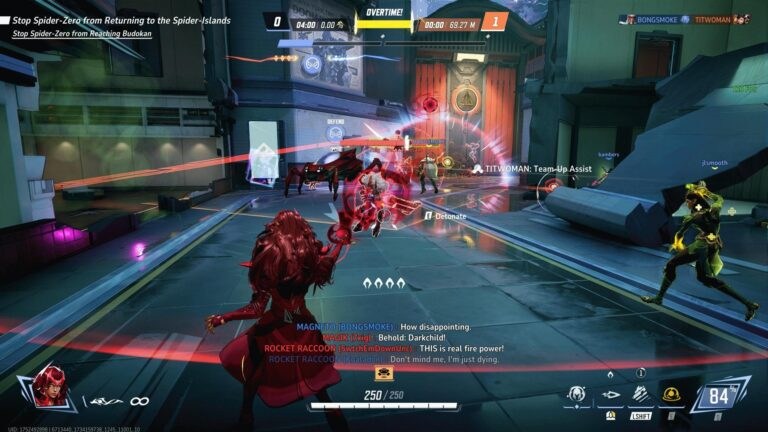
For many, a rank like Diamond or Immortal is more than just a badge; it is an identity. When that status is threatened by a losing streak, players feel a personal crisis. The more a player ties their self-worth to their rank, the more aggressively they will react when that rank is at risk.
6. Normalization of Toxic Culture
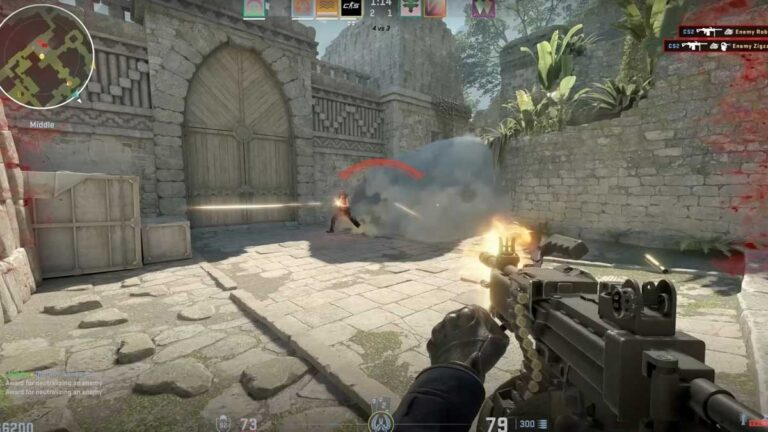
When toxicity occurs in every other match, it becomes the “standard” language of the game. New players enter the ecosystem, see veterans flaming, and subconsciously adopt the same behavior. From ironic “EZ” comments to blatant insults, the culture sustains itself through social mimicry.

Conclusion: Beating the Game, Not the Player
Competitive gaming is meant to be intense and challenging, but intensity doesn’t have to equal toxicity. Flaming a teammate rarely improves their performance—in fact, it usually guarantees a loss by destroying team morale. Understanding these psychological triggers is the first step toward choosing a different response. Real competition is about overcoming the challenges of the game, not tearing down the people playing it with you.
Any reader who wants to follow all the PC and console game news of This Is Game Thailand can come here >>>click<<<
Origin