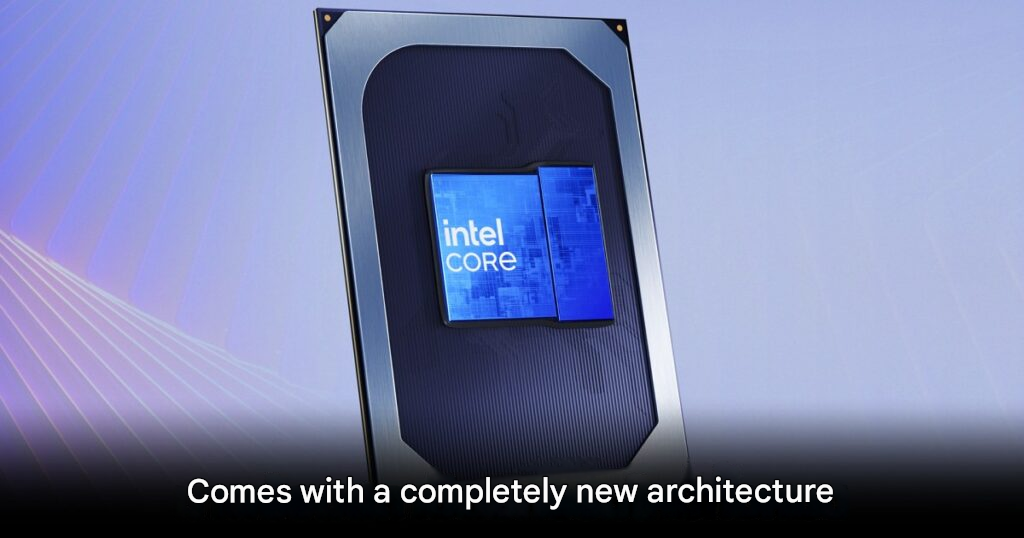
Intel Introduces Core Series 3 with Next-Gen 18A Architecture
Midrange processors finally receive cutting-edge silicon with improved efficiency and modern connectivity.
After a period of criticism over rebranded architectures in earlier releases, Intel has made a strong return with the unveiling of Core Series 3 processors. These new chips, based on the Wildcat Lake architecture, mark a significant shift by bringing advanced manufacturing technology to the midrange segment for the first time in years.
A Major Leap with 18A Process Technology
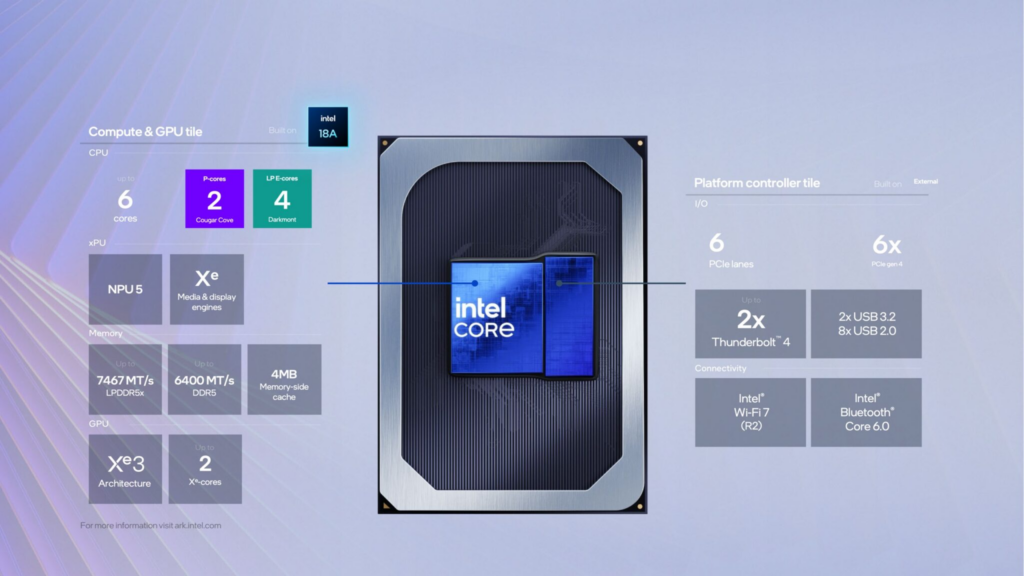
At the heart of Wildcat Lake is Intel’s 18A process, the same advanced manufacturing node used in its flagship Panther Lake lineup.
This move allows midrange processors to benefit from the same cutting-edge technology, resulting in better performance per watt and improved overall efficiency. The architecture is designed with a focus on energy savings while maintaining reliable everyday performance.
The chip configuration includes 2 Cougar Cove performance cores (P-cores) and 4 Darkmont efficiency cores (E-cores), paired with the latest Xe3 integrated graphics.
Designed for Efficiency and Everyday Use
Core Series 3 targets lightweight laptops and productivity-focused devices. While it may not aim for high-end gaming performance, the architectural improvements ensure smoother multitasking and better responsiveness for daily tasks.
The transition to a completely new silicon design is expected to deliver noticeable gains compared to previous generations that relied on older architectures.
Battery Life Takes Center Stage
One of the biggest highlights of the new series is battery efficiency.
Intel claims that laptops powered by Core Series 3 can deliver up to 12.5 hours of general productivity or 18 hours of 1080p video streaming. These improvements are made possible by the smaller and more efficient manufacturing process.
Modern Connectivity Built In
The new processors also come equipped with support for Wi-Fi 7 and Bluetooth 6.0, ensuring compatibility with the latest wireless technologies.
This integration helps future-proof devices and enhances overall connectivity performance without requiring additional components.
AI Performance Falls Short of Premium Standards
While the chips include an integrated NPU, its performance is rated at 17 TOPS.
This falls below the 40 TOPS requirement set by Microsoft for Copilot+ PC features. As a result, certain AI-exclusive features such as Windows Recall and Click to Do will not be available on devices using these processors.
For general users, however, this limitation is unlikely to impact everyday usage.
Memory and Power Efficiency
Core Series 3 supports up to 64GB of DDR5-6400 memory, offering strong multitasking capabilities.
The processors operate at a base power of just 15 watts, making them ideal for thin and lightweight laptops that prioritize portability and long battery life.
Affordable Next-Gen Laptops on the Way
Intel expects more than 70 new laptop models powered by Core Series 3 to launch in the coming months through its hardware partners.
These devices are projected to start in the range of $600 to $800, positioning them as accessible options for users seeking modern technology without premium pricing.
With the introduction of Wildcat Lake and the 18A process, Intel is bringing next-generation innovation to a wider audience, making advanced performance and efficiency more attainable than before.
Origin: Arstechnica