What Old MMO Games Did Better Than Today’s Mobile MMORPGs
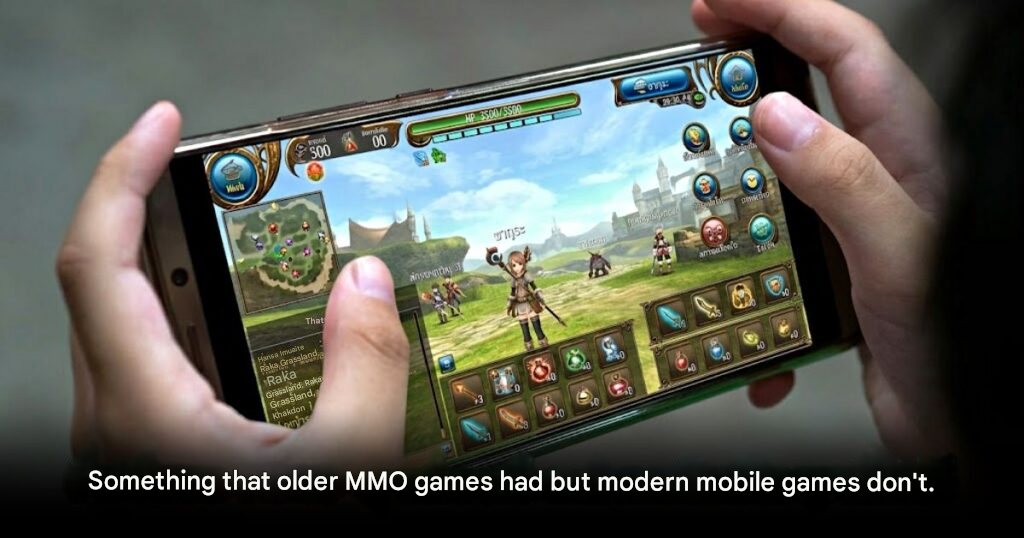
10 Things Old MMO Games Had That Modern Mobile MMOs Lost
There was a time when MMO games were more than just games. They felt like entire worlds where players built friendships, faced real challenges, and created lasting memories. While modern mobile MMORPGs have made the genre more accessible and convenient, many long-time players feel that some of the core magic has slowly faded away.
Here are 10 things classic MMO games had that are often missing in today’s mobile experiences.
1. Player Relationships That Truly Mattered
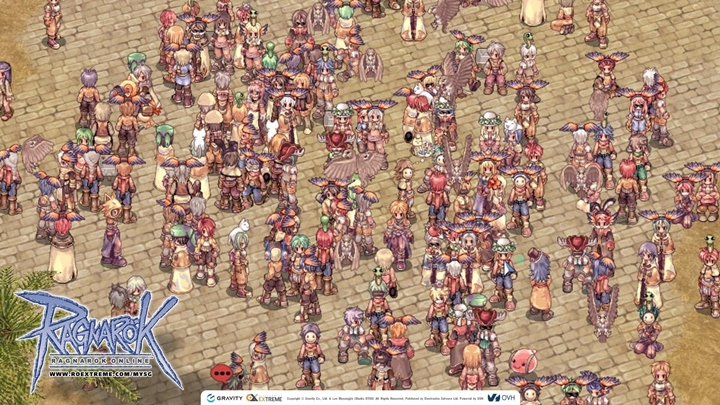
In older MMOs, cooperation was not optional. Players needed each other to progress, whether it was forming parties, clearing dungeons, or simply surviving tougher zones. This naturally built strong bonds and friendships, sometimes even beyond the game itself.
Modern mobile MMOs often allow solo play with automated systems, making player interaction feel less essential.
2. Leveling That Felt Meaningful
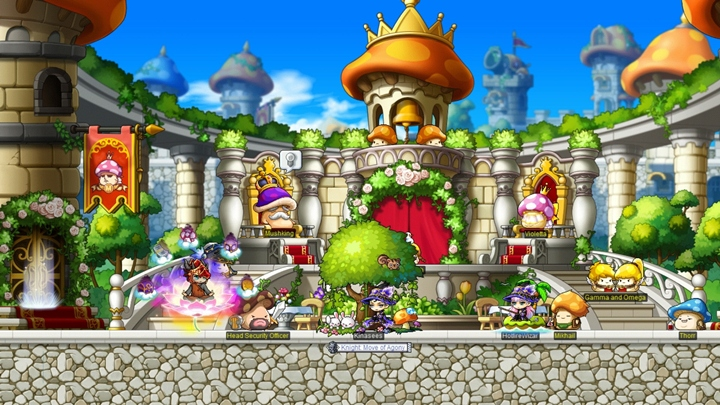
Leveling up used to take time, patience, and effort. Each level gained felt like a real achievement, often tied to memorable experiences along the way.
Today, fast progression systems and auto-quests make leveling quicker, but the sense of accomplishment can feel less impactful.
3. Worlds Meant to Be Explored
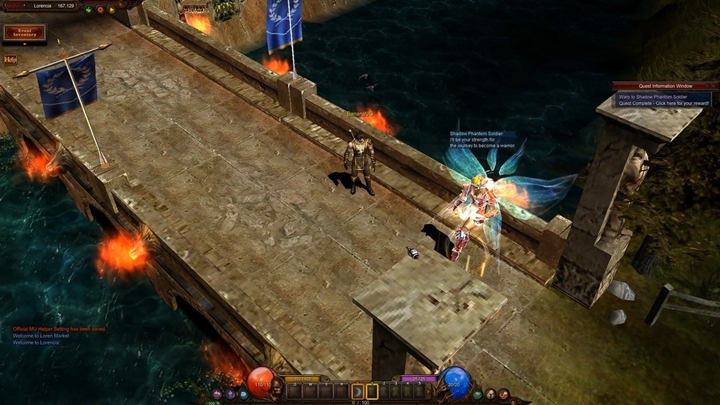
Classic MMO worlds encouraged players to explore on their own. There were no automatic paths or guides leading the way, which made every discovery feel exciting.
Modern systems often guide players directly to objectives, turning vast worlds into simple checkpoints.
4. Classes with Clear Identity
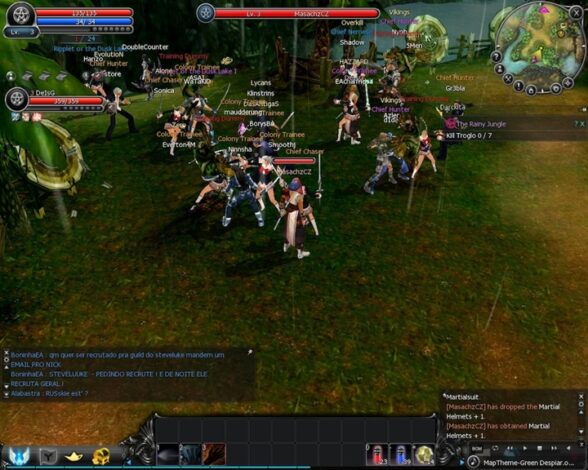
Each class in older MMOs had a distinct role, whether tank, healer, or damage dealer. Team composition required planning, and every role mattered.
In many mobile MMOs, classes are more flexible, allowing solo play but reducing the uniqueness of each role.
5. Lively Player-Driven Economies
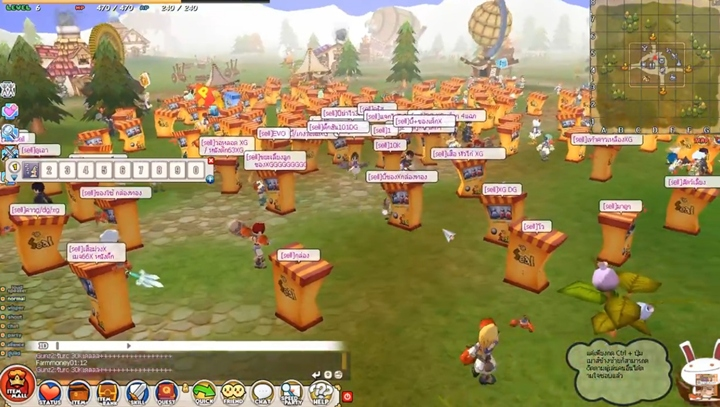
Trading was a social experience. Players set up shops, negotiated prices, and interacted in bustling in-game markets.
Now, automated marketplaces have replaced much of that interaction, making trading faster but less personal.
6. Skill-Based Challenges
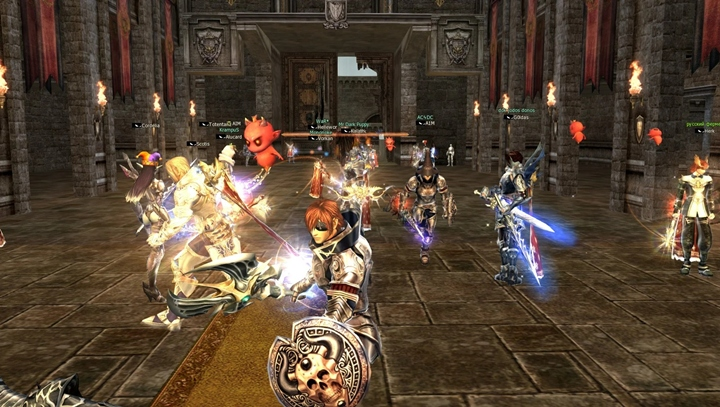
Success in older MMOs often depended on player skill, such as positioning, timing, and coordination.
Modern systems tend to simplify combat or rely on power levels, making progression more about stats than mastery.
7. Real Risk and Consequences
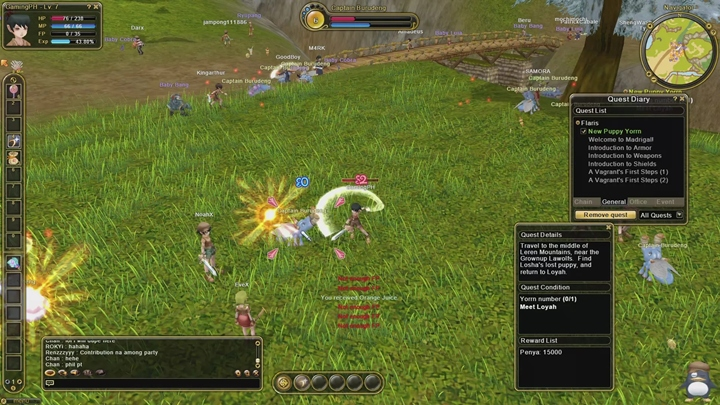
Failure had consequences. Losing experience or items made every decision feel important, adding tension to every encounter.
Today, penalties are minimal, making gameplay smoother but less intense.
8. Strong Community Bonds
‘
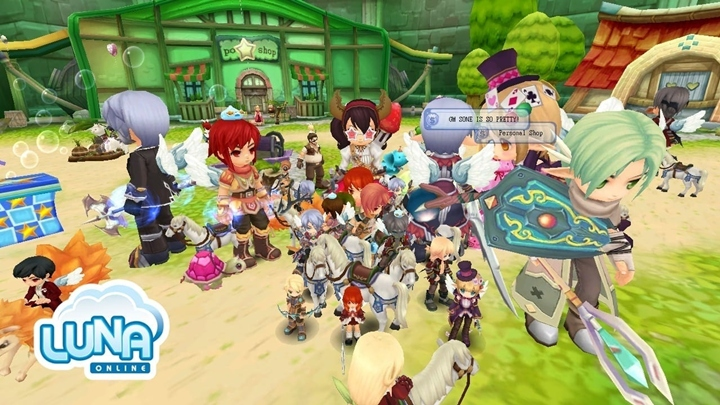
Guilds were more than just features. They were tight-knit communities where players shared goals, schedules, and experiences.
In modern games, guilds often exist mainly for bonuses, with less emphasis on deep interaction.
9. The Need to Be Truly Online
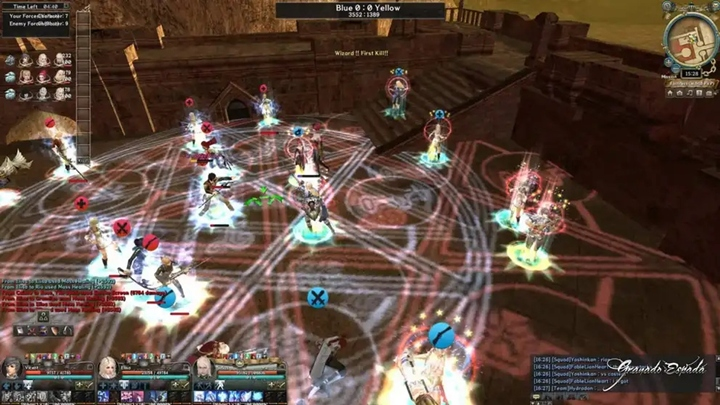
Events required players to be present at specific times. This created moments where everyone gathered together, building a sense of shared experience.
Mobile MMOs now allow progress even offline, offering convenience but reducing those collective moments.
10. The Feeling of a “Second World”

Perhaps the most important aspect was the feeling that the game was a second life. Players didn’t just log in to complete tasks. They lived in that world, built connections, and created stories.
Modern games are designed for shorter sessions, which fits today’s lifestyle but changes how deeply players connect to the world.
A Changing Era, Not a Lost One
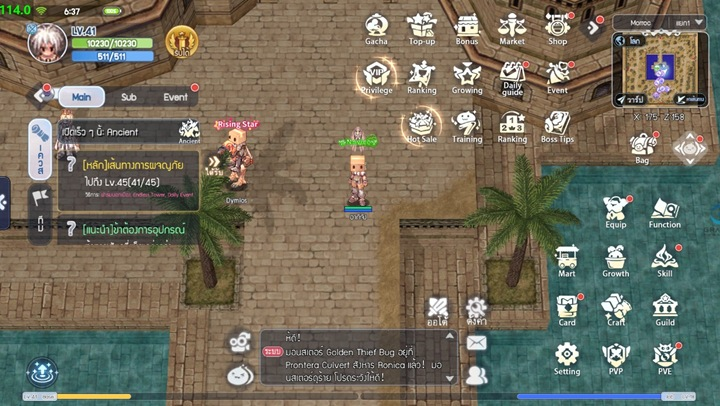
It is important to note that modern MMOs are not necessarily worse. They are simply designed differently, adapting to faster lifestyles and broader audiences.
Some games still try to blend classic depth with modern convenience, showing that the spirit of old MMOs is not completely gone. Even so, for many players, the memories of those earlier worlds remain unmatched.