Zelda Producer Apologizes for Wind Waker’s Scale
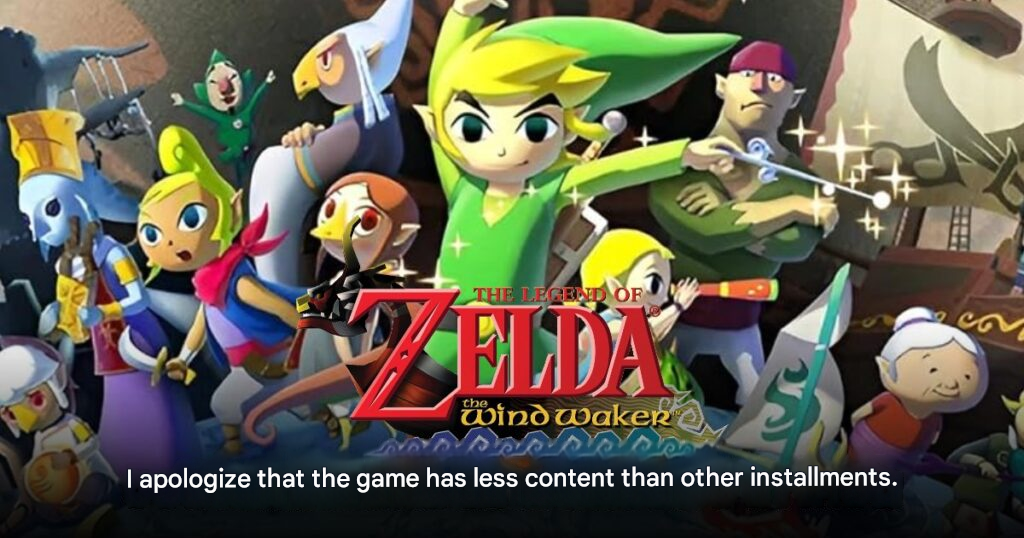
Zelda Producer Apologizes for Wind Waker Having Less Content Than Other Games
Fans of action-adventure games know The Legend of Zelda as one of the most influential franchises in gaming history. Before the series shifted into full open-world design with Breath of the Wild and Tears of the Kingdom, older entries offered a very different sense of scale.
At the time, those older Zelda maps already felt large and full of mystery. However, when compared with the massive worlds of modern entries, some earlier games now feel much smaller. One of the most interesting examples is The Legend of Zelda: The Wind Waker.
A recent discussion has brought back comments from Eiji Aonuma, producer of the franchise, about Wind Waker on GameCube. Around 2005, a few years after the game’s release, he admitted that he wanted to apologize to fans because the game had a smaller scale and less content than other entries.
Time Limits Affected Wind Waker’s Scale
According to the source article, Aonuma said the team faced time limitations during development. Because of that, The Wind Waker ended up feeling smaller than some other games in the series.
Even so, the team still worked hard to make the adventure enjoyable. The game carried its own identity through ocean exploration, expressive animation, and a cartoon-inspired visual style.
However, that art direction also became part of the criticism at the time. Some players did not like the cartoon graphics when the game was first revealed, and this made Wind Waker look more childish to certain fans.
Today, many players look back at that same visual style with more affection. The bold art direction helped the game age in a unique way, even if it was controversial during its original era.
Later Zelda Games Expanded the Formula
The discussion becomes more interesting when compared with later Zelda titles.
After Wind Waker, Twilight Princess delivered a darker tone and a more mature adventure style. The game launched on GameCube and Wii, and it received strong praise from many players.
Years later, Breath of the Wild changed the series even more dramatically. It broke many old boundaries around map size, exploration, discovery, and player freedom. Even today, players still continue finding new details and creative solutions inside that world.
Because of that, Aonuma’s old comment feels almost prophetic. The series moved from a smaller sea-based adventure into huge open-world experiences that completely changed expectations for Zelda.
Wind Waker Still Has a Special Place
Even with its smaller content scale, The Wind Waker remains special because of its personality.
The game tells the story of Link in a timeline where the world has been flooded. When Ganondorf rises again, Link begins a new journey to fight evil and rescue his younger sister.
Along the way, he joins forces with Tetra, a pirate girl, and travels across the flooded kingdom of Hyrule using the King of Red Lions, a talking boat that becomes central to the adventure.
This ocean-based structure gave the game a very different mood from other Zelda entries. Instead of crossing fields and forests in the usual way, players sailed across a vast sea filled with islands, secrets, danger, and mystery.
Now Playable Through Nintendo Classics: GameCube
At present, The Legend of Zelda: The Wind Waker is playable through the Nintendo Classics: GameCube application on Nintendo Switch 2.
This gives newer players a fresh chance to experience one of the most visually distinct Zelda entries. It also lets longtime fans revisit a game that once divided opinions but later became one of the series’ most recognizable adventures.
While Wind Waker may have had less content than some other entries, its style, world, and emotional charm continue to stand out.
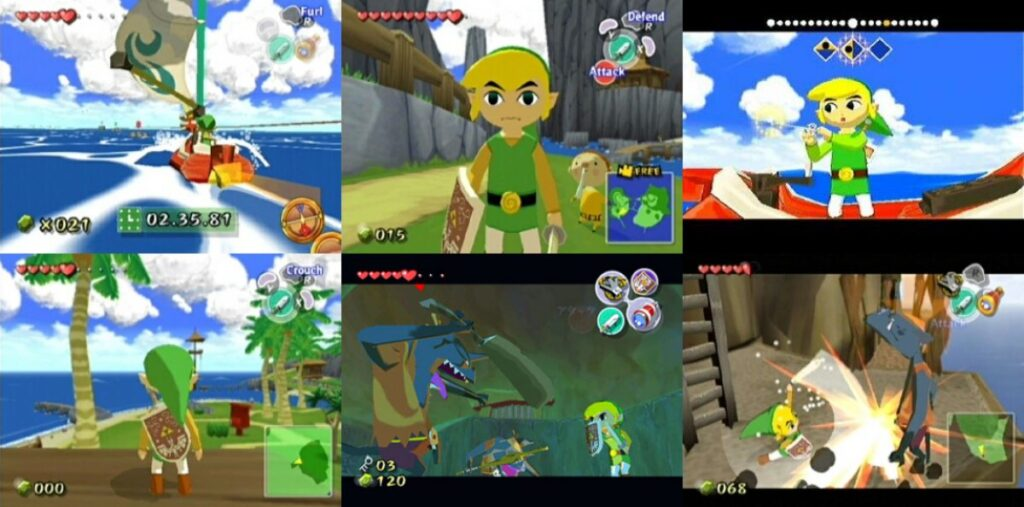
The Legend of Zelda: The Wind Waker may not have the massive scale of modern Zelda games, but its identity remains powerful. A smaller adventure does not always mean a weaker one. Its flooded world, expressive visuals, sailing journey, and emotional story gave it a charm that still feels different today. Eiji Aonuma’s apology shows how much the team cared, but time has also proven that Wind Waker earned its place as one of Zelda’s most unforgettable chapters.
SOURCE: GamesRadar+