The Hidden Appeal Behind Auto-Play Mobile Games

Many gamers have probably seen or tried a mobile game where most of the experience involves tapping a quest button, turning on Auto, and watching the character do everything alone.
The character walks by itself. It fights by itself. It farms levels by itself. Sometimes, the player barely needs to touch the screen at all.
Because of that, many people ask the same question: is this still really playing a game?
It is easy to laugh at tap-and-auto games, especially for players who prefer action games, competitive titles, difficult boss fights, or skill-based combat. However, the truth is more complicated. These games continue to make money, keep daily users, and survive for years because they offer a type of fun that is different from traditional gameplay.
The appeal may not always come from control. Sometimes, it comes from comfort, progress, routine, and the feeling that something is still moving forward.
Players today do not always have time to play like before
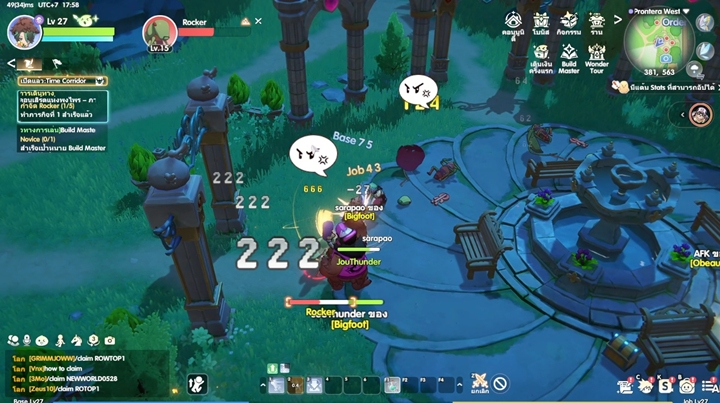
Many players used to spend hours grinding levels, farming rare drops, clearing dungeons, or sitting in long gaming sessions without worrying too much about time.
But life changes.
Work, school, family, responsibilities, travel, and daily exhaustion can make serious gaming harder than before. For many adults, the idea of manually grinding for hours every day no longer feels realistic.
This is where auto-play games become useful.
They allow players to feel like they are still part of a game world even when they cannot fully focus on the screen. Some players leave the game running while working, commuting, resting, or getting ready for bed.
Even if they are not controlling every movement, they still feel progress. Their character keeps growing. Their account keeps improving. Their presence in the game continues.
For busy players, that can be enough.
Not every player is looking for challenge
Some gamers love difficulty. They enjoy learning boss patterns, mastering combos, improving reaction time, and proving their skill.
But not every player wants that kind of experience every day.
Some people open games because they want to relax after work. Some want to see beautiful characters, listen to music, collect rewards, or watch their team defeat monsters without pressure.
For this type of player, a game does not need to be stressful to be enjoyable.
Auto-play removes part of the mental load. Players do not need to stare at the screen nonstop. They do not need perfect timing. They do not need to lose repeatedly before making progress.
Instead, they can enjoy the feeling of leveling up, unlocking new items, and slowly becoming stronger.
For many players, that soft sense of progress is already fun.
Auto-play games may not be selling gameplay first
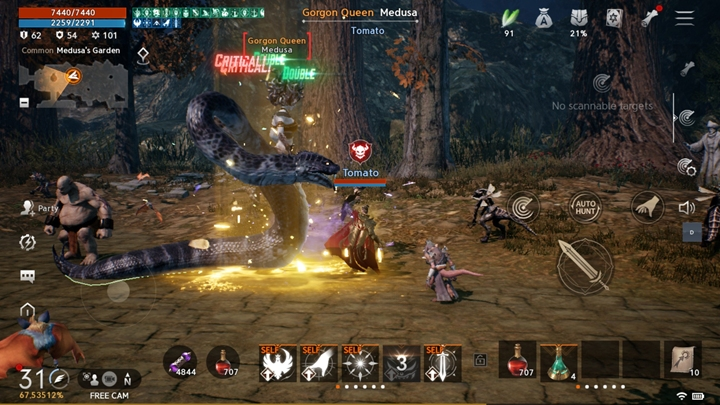
A lot of auto-play games are not really selling manual combat as their main attraction.
They may be selling something else.
That can include attractive characters, gacha excitement, costume collection, guild systems, social features, daily routines, account growth, story attachment, or the feeling of owning a powerful character roster.
For some players, the battle system is only the background.
What brings them back is the next character banner, the next upgrade milestone, the next guild activity, or the next small daily reward. Others return because they want to talk to friends, complete dailies, or keep their account from falling behind.
In this kind of game, the question is not always “Is the combat fun?” Sometimes, the real question is “Does this game give me a reason to return every day?”
If the answer is yes, players may continue even if most battles run automatically.
Growth still feels satisfying even without manual control

One of the most powerful feelings in games is seeing your character become stronger.
Higher levels, bigger damage numbers, better gear, rare items, unlocked skills, and improved rankings all create a sense of achievement.
That feeling can still work even when combat is automated.
In many auto-play games, the player still makes important decisions. They choose which character to upgrade, which equipment to use, which team formation to build, which resources to save, and which goal to chase next.
So even if the character fights automatically, the result still feels connected to the player’s choices.
When damage numbers increase, the player feels responsible. When a team clears harder content, the player feels that their planning worked. When an account becomes stronger over time, it feels like proof of long-term effort.
That is why progression remains addictive even when the gameplay looks simple from the outside.
Mobile games need to be easy to enter
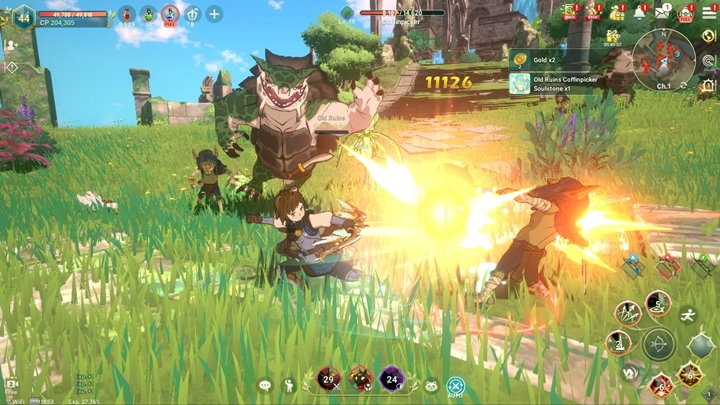
The mobile game market is extremely competitive.
Players can download a new game in minutes and delete it just as quickly. If a game feels too hard, too slow, too confusing, or too demanding, many users may leave before giving it a real chance.
Auto-play helps reduce that barrier.
Even new players can understand the basic flow quickly. Tap the quest. Watch the character move. Claim rewards. Upgrade. Repeat.
This makes the game easier to enter, especially for casual players or people who are not deeply familiar with the genre.
It also fits how many people use mobile devices. They play during short breaks, while commuting, while watching something else, or between daily tasks.
A game that requires full focus all the time may not fit that lifestyle. A game with auto-play can.
Some players return for reasons beyond gameplay
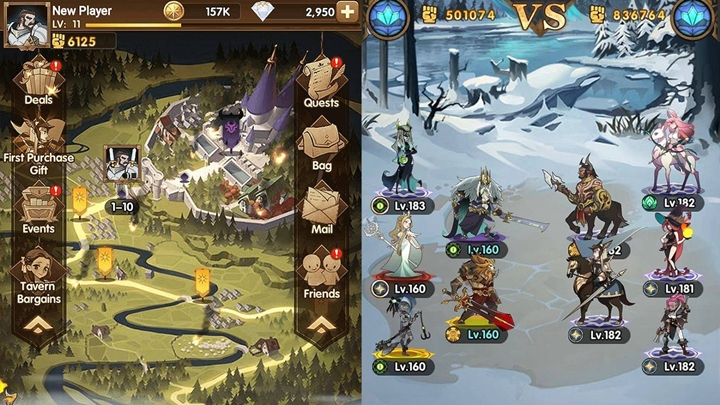
For some people, a game becomes part of daily life.
They open it to chat with guildmates. They log in because their friends are there. They enjoy seeing their favorite character. They treat daily tasks as a small routine. They follow the story. They like the music. They feel comfortable inside that world.
In those cases, the game is not only a challenge to overcome. It becomes a place to return to.
This is one reason auto-play games can survive for a long time. The thing keeping players attached may not be the act of pressing attack buttons. It may be familiarity, comfort, community, and routine.
Some players stay because the game gives them a small space that feels predictable and safe.
That kind of emotional connection can be stronger than manual gameplay.
Auto-play is not for everyone, but it has a place
Auto-play games will not satisfy every gamer.
Players who want mechanical skill, deep combat, difficult bosses, and real-time control may find these games boring. That reaction is completely understandable.
However, it is also fair to say that auto-play games serve a different audience.
They work for players who are tired. Players who have less time. Players who want progress without pressure. Players who enjoy collecting, upgrading, socializing, and relaxing more than proving skill.
In a world where everyone is busy and many people are mentally exhausted, a game that asks for less can still be valuable.
Sometimes, the most appealing game is not the most difficult one. It is the one that quietly fits into a player’s life.
Auto-play games are easy to criticize because they seem to remove the most obvious part of playing: direct control. But their success shows that players do not all define fun the same way. Some want challenge, while others want comfort. Some want mastery, while others want steady progress. For modern mobile players, especially those with limited time and daily stress, auto-play can turn a game into a low-pressure routine rather than another demanding task. That may be the real reason these games continue to survive.