NetEase Denies AI Ban in Game Development Amid Rumors

NetEase Denies AI Ban in Game Development Amid Rumors
NetEase has swiftly responded to rumors suggesting that the Chinese gaming giant had prohibited the use of AI in game development. The controversy began when Goichi Suda, widely known as Suda51 and creator of Lollipop Chainsaw, revealed in an interview that NetEase reportedly shut down its internal Generative AI research division and allegedly instructed employees not to use AI tools in game creation.
Shortly after these claims spread, NetEase issued an official statement to Insider Gaming, firmly denying the reports. The company confirmed that no such directive exists, and that AI usage in their studios has never been formally restricted. This clarification aims to protect NetEase’s innovative image as AI technology continues to gain global attention in the tech industry.
Suda51 offered insight into why game developers might hesitate to fully embrace AI. He suggested that many gamers dislike AI integration in their favorite games. Additionally, potential copyright issues associated with AI-generated content remain complex and difficult to manage, making the avoidance of AI a simpler solution for some developers.
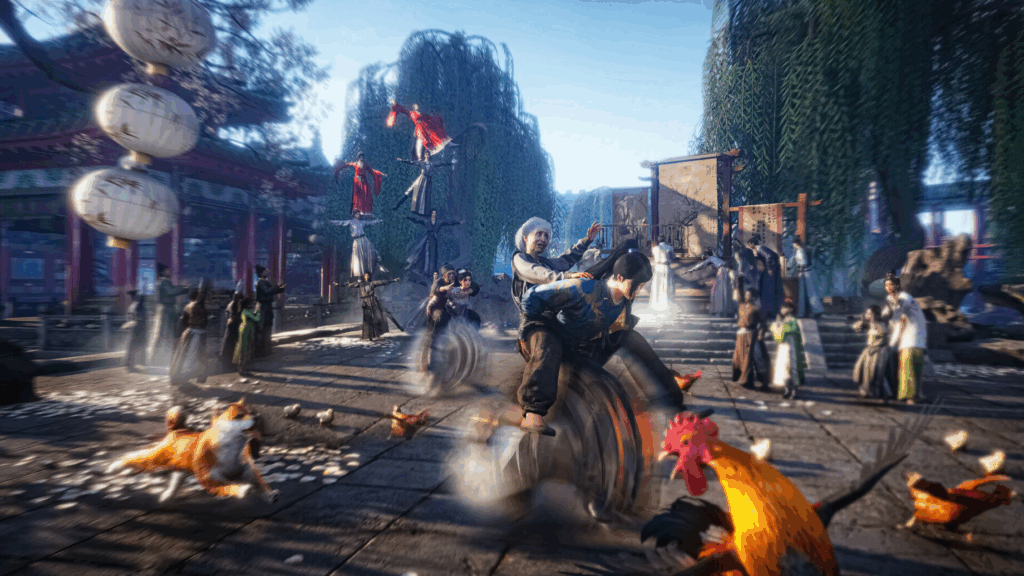
Despite the rumors, NetEase has not shunned AI entirely. In previous years, the company explored using ChatGPT-like systems in Justice Online Mobile, allowing players to converse freely with NPCs. Similar technology also performed well in the MMO Where Winds Meet, another title under NetEase’s publishing umbrella.
The situation highlights the delicate balance NetEase must maintain between leveraging modern technology and respecting intellectual property rights. While there is some confusion regarding the closure of the research division, Suda51 views the company’s attention to copyright as a positive step.
As AI technology rapidly evolves, NetEase’s decisions—whether cautious or bold—will inevitably influence the future of game development, representing the ongoing tension between algorithmic efficiency and human-crafted artistry.


