Flipper One Reveals Powerful Linux Hacking Toy
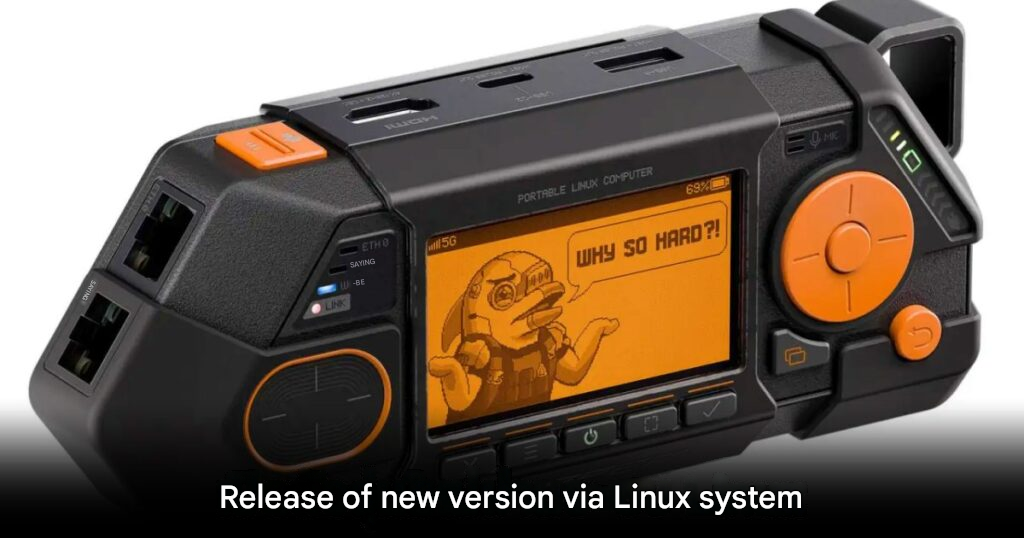
Flipper Devices has revealed Flipper One, a new Linux-powered gadget designed for networking, maker projects, and advanced connectivity.
The company previously found major success with Flipper Zero, the popular multi-tool device used by hackers, hobbyists, and creators. According to the source article, Flipper Zero sold more than 1 million units and generated more than $150 million in revenue.
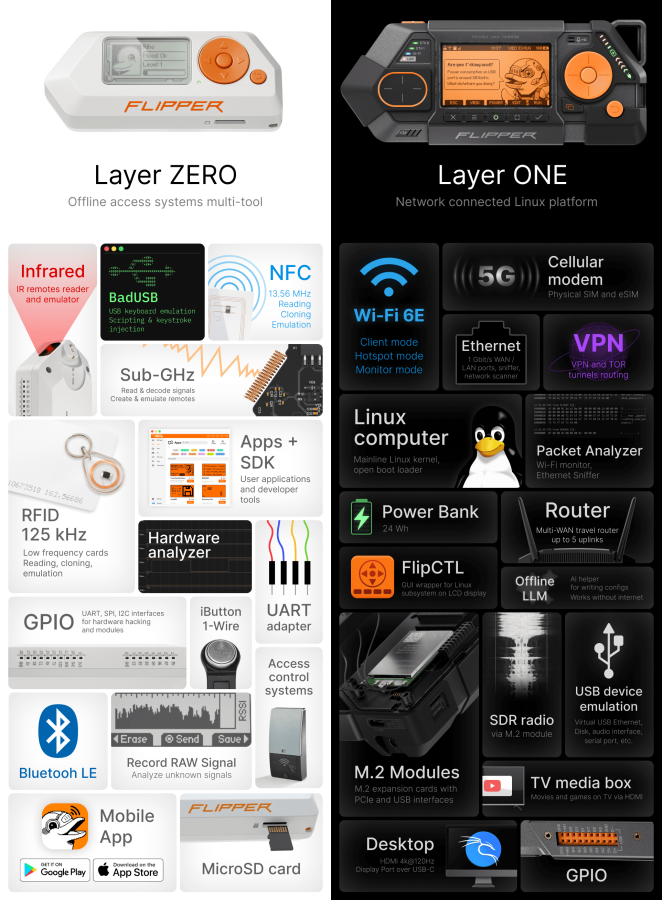
However, Flipper One is not meant to be a direct sequel to Flipper Zero. Instead, the new device focuses on a very different network layer, giving users more powerful tools for connectivity, routing, expansion, and Linux-based experimentation.
Flipper One Focuses On Network Power
The original Flipper Zero became popular because it could interact with many types of signals, including Bluetooth, RFID, NFC, sub-1GHz radio, and infrared.
That flexibility made it useful for hobbyists who wanted to explore wireless signals, test devices, or experiment with hardware interactions.
Flipper One, however, moves deeper into networking.
The device includes two Gigabit Ethernet ports, a 5Gbps USB Ethernet port, and full Wi-Fi 6E support across all bands. These features make it more suitable for network testing, routing, VPN use, and advanced connectivity setups.
M.2 Expansion Opens More Possibilities
Another major highlight is the M.2 slot.
This expansion slot allows users to connect different types of modules, depending on what they want to build. The article mentions support for options such as 5G modems, SDR modules, AI accelerators, and high-speed SSD storage through adapters.
That makes Flipper One more flexible than a simple portable network tool. It could become a modular platform for developers, makers, and hardware experimenters.
However, the project is still in development. Flipper Devices has revealed the roadmap, but several features still need more work before the product reaches its final form.
Linux Runs At The Center
Inside the device, Flipper One uses a dual-chip setup.
The main processor is an 8-core RK3576 chip that runs an open Linux operating system. It also includes a Mali-G52 GPU and an NPU for running AI models directly on the device.
Flipper Devices is also working with open-source software consultancy Collabora to push RK3576 support into the Mainline Linux Kernel. This means users may eventually download software from Kernel.org and modify the system more freely.
That open approach should appeal strongly to Linux users and maker communities.
A Second Chip Keeps Basic Functions Alive
The second processor is a dual-core Raspberry Pi RP2350 microcontroller.
This chip handles lower-level functions such as the display, buttons, touchpad, LED controls, and backup power management.
The clever part is that the device can still boot and perform basic functions even when the main Linux system is turned off. This makes Flipper One feel more practical as a portable tool rather than only a small Linux computer.
Flipper OS Could Make Resetting Easier
Flipper Devices CEO Pavel Zhovner also teased the company’s own operating system called Flipper OS.
The goal is to solve a common problem found in systems like Raspberry Pi OS. When users install many programs and later want a clean setup, they often need to remove and reflash the memory card.
Flipper OS aims to make profile switching easier, allowing users to move between different configurations without constantly removing cards or rebuilding the system from scratch.
If implemented well, this could make the device much more convenient for users who often test different tools and setups.
It Can Work As A Router, VPN Box, Or Linux PC
For practical use, Flipper One can work as a router, a VPN access point, or a network bridge.
Users can also connect a monitor, keyboard, and mouse through a USB hub and turn the device into a small Linux desktop computer. With HDMI 2.1, it can also output 4K video at 120Hz, making it usable as a portable media box.
This gives Flipper One a wide range of possible roles, from network testing device to compact Linux workstation.
Price And Availability
Since the project is still in development, some features and the planned Flipper OS remain concepts that need more work with the developer community.
However, the company has already shared a rough price target. The base model without a cellular module is expected to cost under $350, or around ฿11,400.
That price could make it attractive for users who want a compact Linux device with advanced networking features and strong customization potential.
THIS IS our take
Flipper One sounds less like a simple hacking toy and more like a serious Linux-powered network playground. Its dual Ethernet ports, Wi-Fi 6E, M.2 expansion, AI support, and Linux flexibility could make it exciting for makers, developers, and advanced users. However, since many features are still in development, its real value will depend on how polished the final software and community support become.
SOURCE: TechCrunch