Foldable Smartphones: Only Price Remains a Challenge
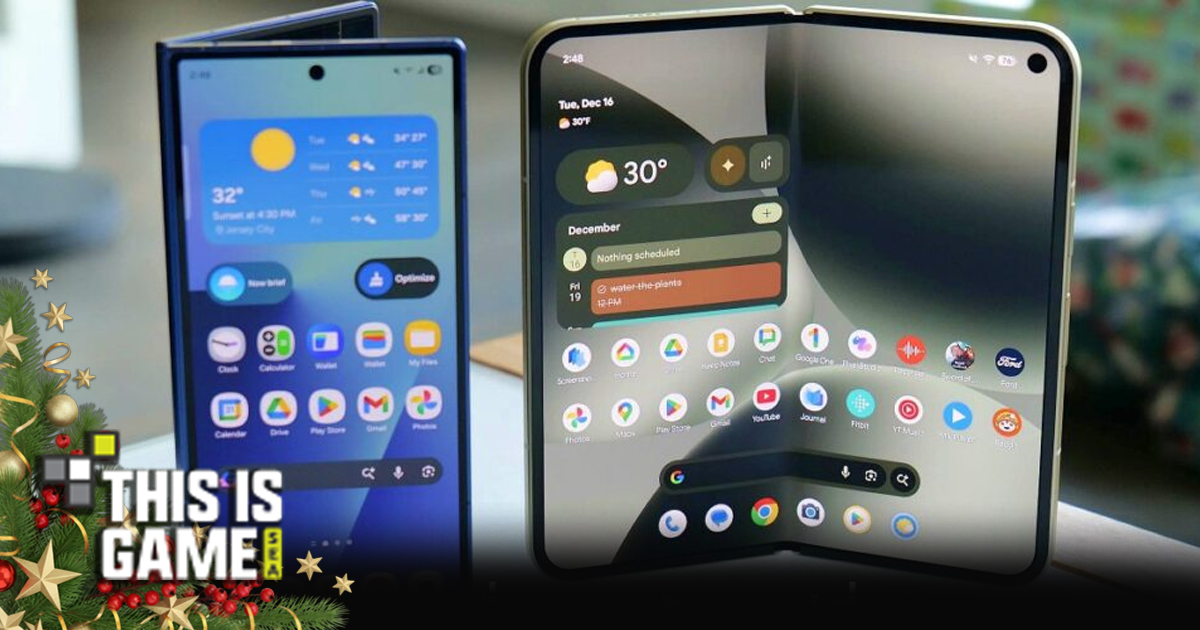
2025 Marks a Technology Turning Point
Although it may sound unbelievable, foldable smartphones have been on the market for nearly a decade. Since their debut in 2019, these devices were bulky, fragile, and faced numerous practical usability issues. Yet manufacturers have persisted in improving them over the years, addressing nearly all previous weaknesses except one key obstacle: price.
Looking back at the first Galaxy Fold, the differences are striking. The device was thick and heavy, featured a tiny external screen, and its hinge allowed dust to enter easily, causing damage. Yet the concept of a phone that could transform into a tablet captured global attention. Samsung gradually enhanced durability, water resistance, S Pen support, and reduced the crease gap in subsequent models.
Fierce competition from major brands like Google and OnePlus, as well as Chinese manufacturers Oppo and Xiaomi, played a crucial role in accelerating the development of foldable phones. Both hardware robustness and software smoothness improved rapidly. By 2025, technological advancements culminated in two smartphones that set a new industry standard with elegance.
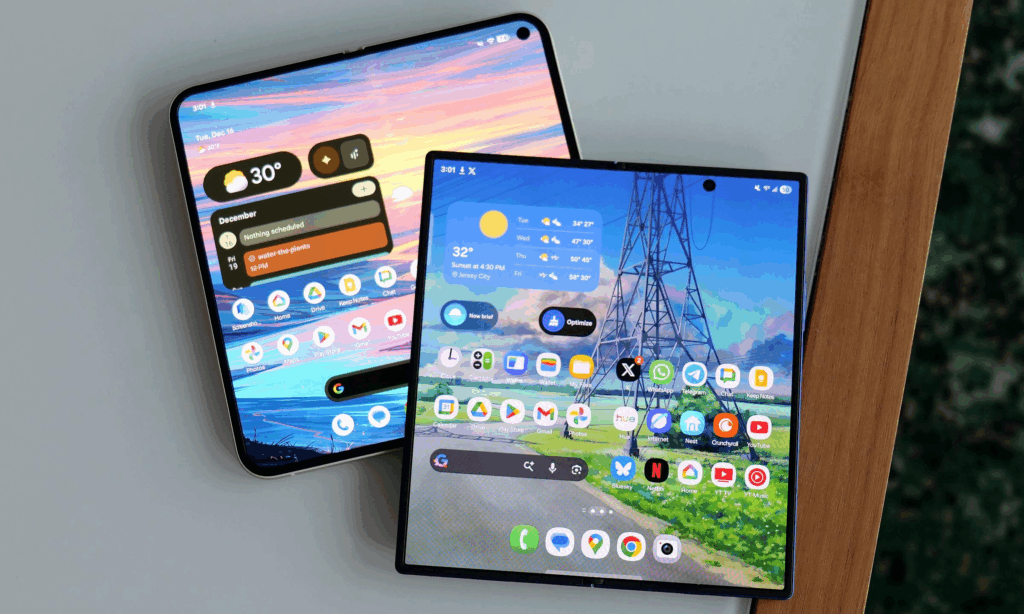
The Google Pixel 10 Pro Fold made headlines as the first foldable phone to achieve IP68 dust and water resistance—a major feat for a device with a complex hinge mechanism. Meanwhile, the Samsung Galaxy Z Fold 7 impressed with engineering that gave it dimensions and weight close to conventional smartphones, yet opened to reveal an expansive 8-inch internal display.
Regarding the screen crease, which once caused concern, real-world usage shows it has minimal impact. The crease is hardly noticeable during normal use and rarely comes into direct contact with the user’s fingers, making it a far less significant issue compared to the outstanding overall experience, which clearly surpasses traditional smartphones.
However, the steep price remains a major barrier to widespread adoption. The Galaxy Z Fold 7 launched in SEA Region starting at $1,800 USD, still very expensive despite its premium specifications. Unless manufacturers can manage costs to make foldable phones more accessible to the general public, this futuristic smartphone category may remain confined to high-income users for some time.
Source: Engadget