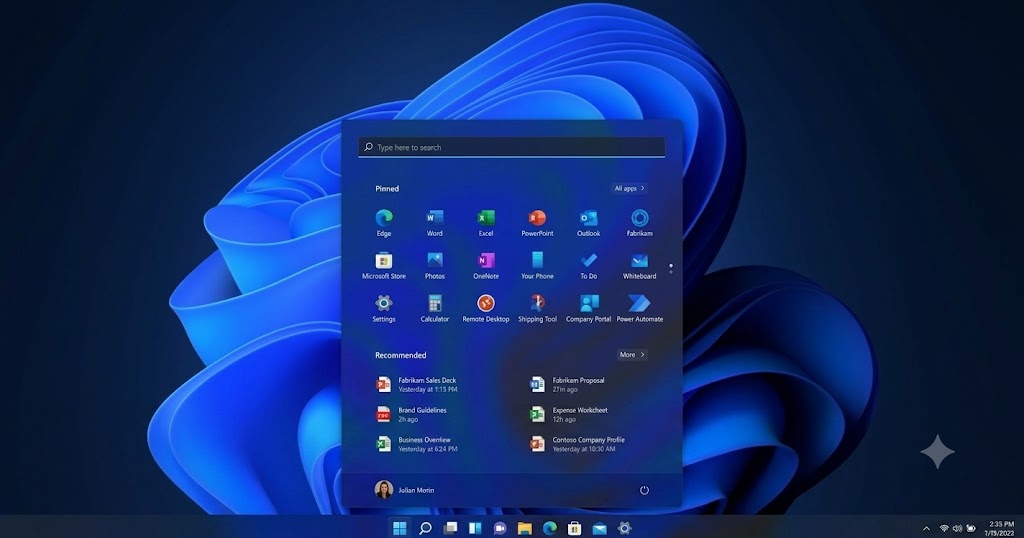
Microsoft has announced plans to significantly improve Windows 11 performance on systems equipped with 8GB of RAM, responding to growing concerns over increasing memory usage and rising hardware costs.
As AI-driven demand continues to push global memory prices higher, many manufacturers have returned to offering entry-level laptops with 8GB of RAM. Microsoft now says it is actively optimizing Windows 11 to deliver a better experience on these more affordable devices.
Pavan Davuluri, President of Windows and Devices, revealed that the company is redesigning memory management throughout the operating system to reduce RAM consumption from the moment Windows starts. The goal is to make everyday tasks feel more responsive while requiring fewer system resources.
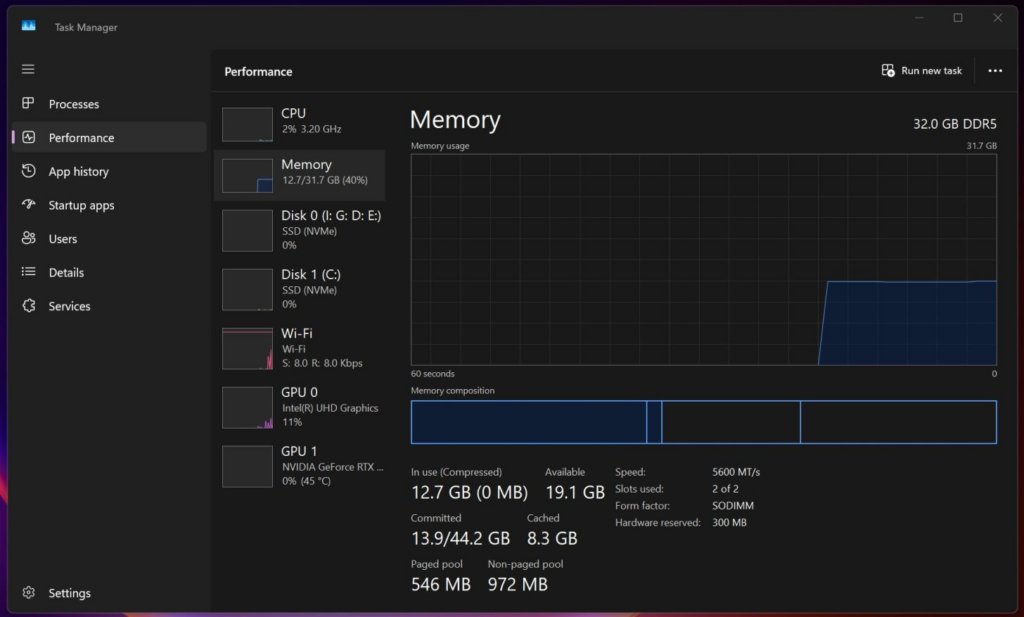
One of the biggest complaints from users has been Windows 11’s high idle memory usage. Testing on several modern laptops with 8GB of RAM showed that the operating system could consume around 70% of available memory even before launching applications, leaving limited resources for multitasking.
Microsoft’s optimization effort extends beyond the operating system itself. The company is also improving WinUI 3, allowing future applications to use less memory by default. Core technologies such as Chromium and WebView2, which power many Windows applications, are also being optimized to reduce overall resource consumption.
These improvements are expected to benefit millions of budget PC users, particularly as analysts predict memory shortages could continue for several more years. By making Windows 11 more efficient on 8GB systems, Microsoft hopes to extend the lifespan of affordable laptops while providing a smoother computing experience without requiring immediate hardware upgrades.
Origin: wccftech