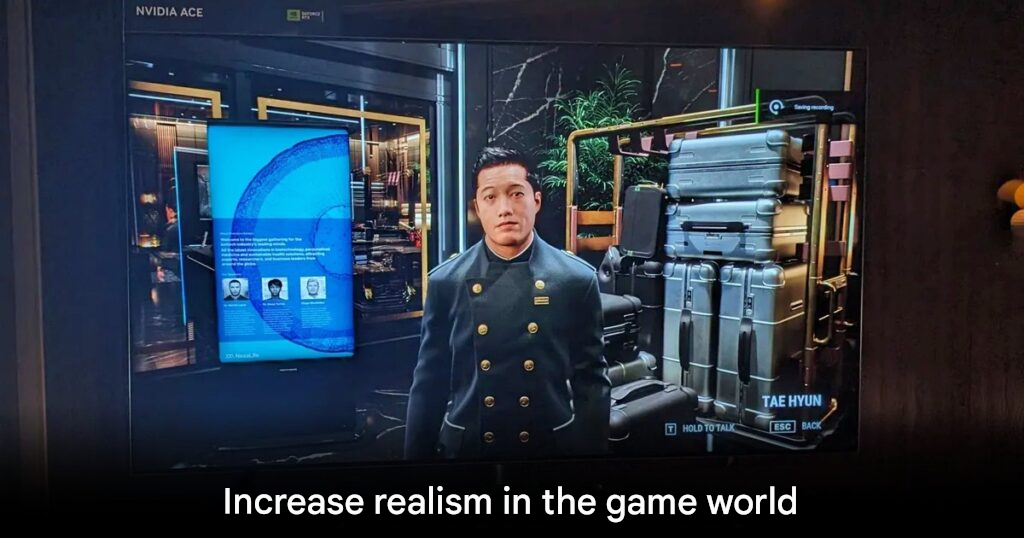
At CES 2026 in Las Vegas, Nvidia announced a major leap that could permanently reshape the future of gaming. The company officially unveiled DLSS 4.5, featuring Dynamic Multi-Frame Generation up to 6X, significantly boosting frame rates for users of the new RTX 50 Series graphics cards. However, while the graphics technology drew attention, the real spotlight fell on Nvidia ACE (Avatar Cloud Engine), a system designed to bring human-like intelligence and interaction to non-playable characters in games.
Nvidia ACE is an AI framework that allows in-game characters to perceive situations, plan actions, and communicate naturally with players without relying on pre-written dialogue trees. During the showcase, Nvidia demonstrated ACE in PUBG (PlayerUnknown’s Battlegrounds) through Co-Player Characters. These AI teammates were shown driving vehicles, looting supplies, and coordinating combat strategies alongside human players in real time. Another notable example came from the Korean title MIR5, where ACE-powered bosses can learn a player’s combat habits. Repeating the same tactics causes the boss to adapt and counter them in subsequent encounters.
Despite the technical achievement, the technology has not been met with universal praise. Critics and players alike have raised concerns that AI may erode the core appeal of gaming. In Total War: Pharaoh, for instance, the introduction of an AI Advisor that provides step-by-step guidance to victory has been criticized for reducing the satisfaction of experimentation and self-discovery. Similarly, investigation-focused games such as Dead Meat have used AI-generated interrogation dialogue, leading some players to feel they are conversing with a chatbot rather than engaging with a carefully crafted narrative experience.
Another major point of concern revolves around hardware requirements. Nvidia emphasized that ACE systems are designed to run locally on players’ machines for speed and privacy. This approach, however, means that optimal performance may require next-generation GPUs equipped with high-performance Tensor Cores, such as the RTX 5000 Series. Tying core gameplay features to expensive hardware has sparked debate over whether this represents genuine innovation or a strategic push to drive sales of new graphics cards.
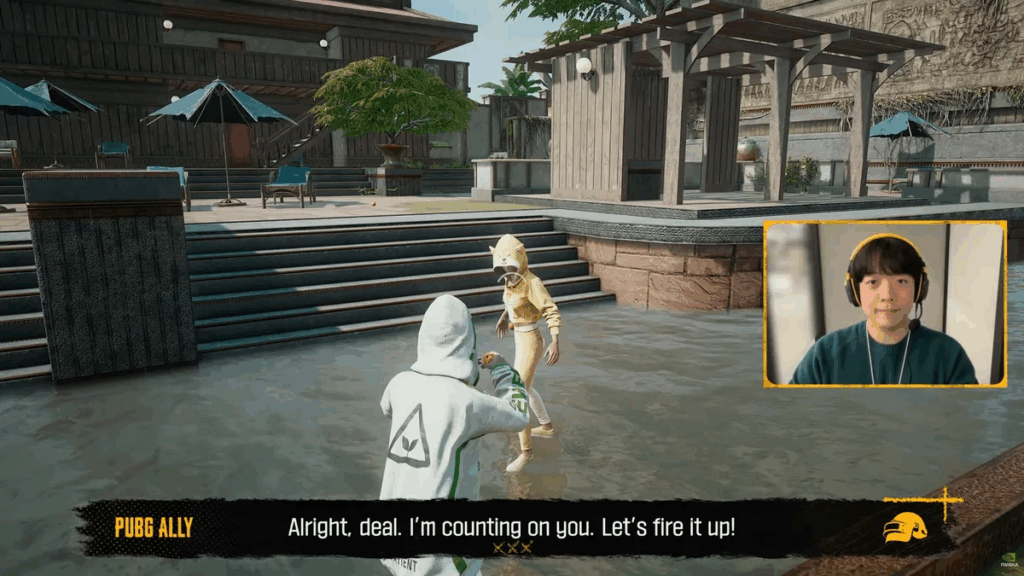
For multiplayer-focused gamers, the inclusion of advanced AI teammates in games like PUBG also raises questions of fairness. Losing to opponents supported by highly intelligent AI can feel uncomfortably similar to facing players who rely on cheating tools. While Nvidia maintains that the feature is intended to help solo players enjoy team-based games more easily, concerns remain that victories achieved purely through human skill may gradually lose their sense of prestige in an AI-dominated landscape.
Even so, the direction of the gaming industry in 2026 appears increasingly clear. AI integration is becoming an unavoidable part of the player experience, from ultra-smooth visuals exceeding 240 FPS through DLSS 4.5 to NPCs that can converse and react as if they were alive. The greatest challenge facing developers now lies in finding the right balance between cutting-edge technology and preserving the creative soul of games, ensuring that players remain active participants rather than passive observers watching AI play on their behalf.