Will PS6 Be Delayed? RAM Crisis Hits Sony and Nintendo
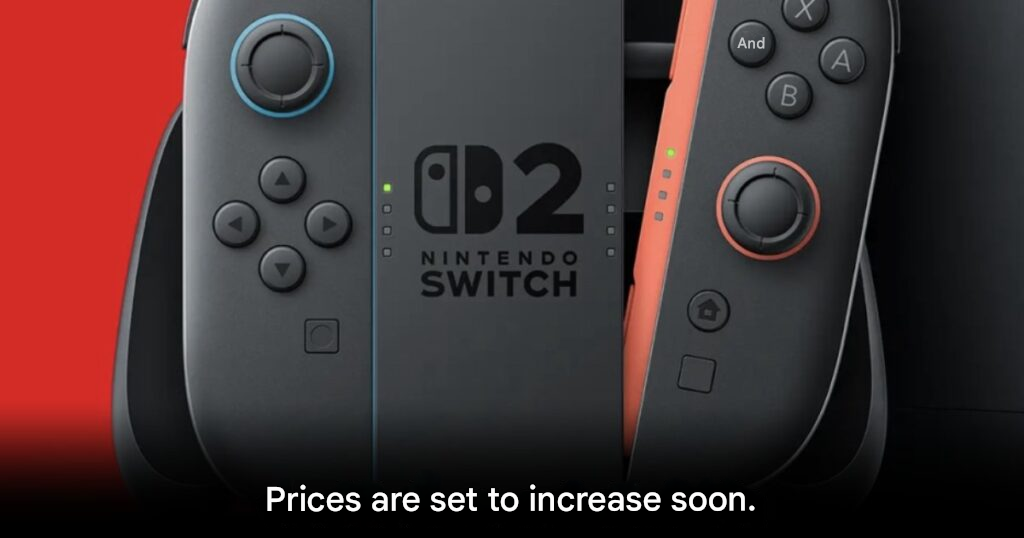
The global console industry may be heading into turbulent territory as a worldwide RAM shortage begins to ripple through next-generation hardware plans. According to a recent report cited by Bloomberg, rising DRAM costs could force Sony to delay the launch of the PlayStation 6, while Nintendo may be pushed toward increasing the price of its latest hardware.
Industry sources suggest Sony is now considering a PlayStation 6 launch window in 2028 or even 2029, rather than the previously expected 2027 timeframe. The key issue is the soaring cost of memory chips, which has made it increasingly difficult to manufacture high-performance consoles at consumer-friendly prices. DRAM prices reportedly surged by as much as 75 percent within a short period, creating severe pressure across hardware supply chains.
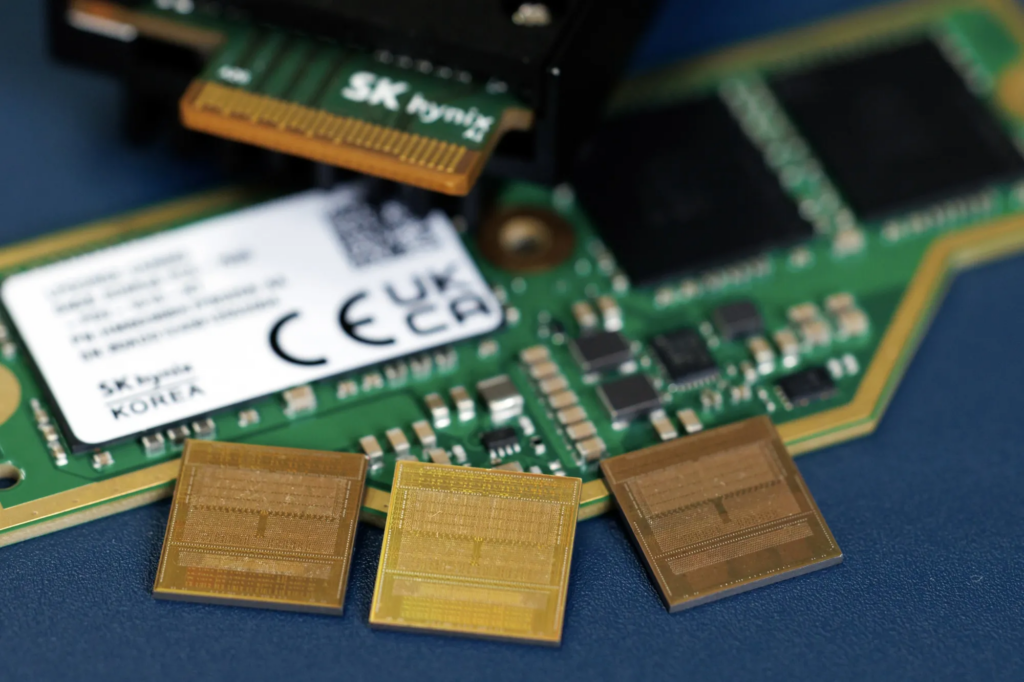
This situation has been nicknamed “RAMmageddon” by analysts, largely driven by explosive demand from the AI sector. Major technology companies are aggressively acquiring memory chips for large-scale data centers, leaving fewer resources available for consumer electronics. As a result, gaming hardware manufacturers are now competing directly with AI infrastructure for the same critical components.
Nintendo is also feeling the strain. Although the Switch 2 launched in mid-2025 at a price point of around $449, reports indicate the company is evaluating potential price adjustments in 2026. Nintendo leadership has acknowledged that memory costs have climbed well beyond initial forecasts, and even large-scale manufacturing efficiencies may not be enough to offset the increase. Analysts believe that without a price increase of roughly $50 per unit, Nintendo could face losses on each console sold.
Instead of a straightforward price hike, Nintendo may explore alternative strategies such as removing value-focused bundles or limiting promotional packages to protect profit margins. This approach could soften consumer backlash while still addressing rising production costs.
For Sony, delaying the PlayStation 6 could result in the PlayStation 5 becoming one of the longest-supported console generations in the company’s history. With PS5 sales already surpassing 90 million units worldwide, extending its lifecycle may allow Sony to wait for memory prices to stabilize before committing to mass production of next-generation hardware. Rumors suggest the PS6 could feature extremely high memory specifications, which would be prohibitively expensive under current market conditions.
Neither Sony nor Nintendo has issued an official statement addressing these reports, but the broader implications are already clear. As highlighted by coverage from Mashable, the rapid expansion of AI is no longer affecting only software and cloud services, but is now reshaping the global hardware ecosystem.
For gamers, this could mean higher console prices and longer waits for next-generation systems. The situation underscores a growing reality: advances in AI technology are quietly redefining supply chains, production costs, and even the future roadmap of the gaming industry itself.