Samsung Gam*Boy & Aladdin Boy: Korea’s Hidden Console History

Many gamers may not realize that Samsung once played a significant role in the console market. However, the names Gam*Boy and Aladdin Boy might confuse some, as they sound reminiscent of other popular brands. In fact, these were official SEGA-licensed consoles rebranded for the South Korean market.
The story begins in the late 1980s, when strict import restrictions limited Japanese electronics and entertainment in Korea. SEGA partnered with local companies to distribute its products, and Samsung became the main local partner. The Master System was sold in Korea as Samsung Gam*Boy in 1989, followed by the smaller Samsung Aladdin Boy.
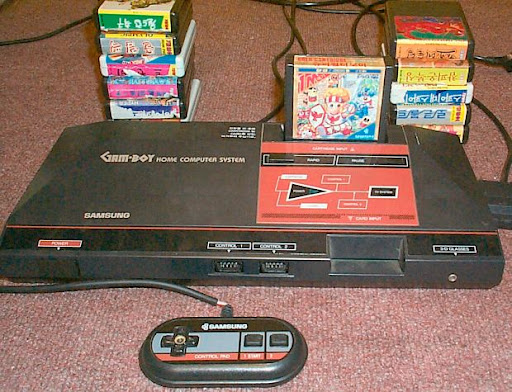
The trend continued with 16-bit consoles. The Mega Drive (Genesis in the US) became Samsung Super GamBoy, later renamed Samsung Super Aladdin Boy. Other consoles included Handy GamBoy (Game Gear) and CD Aladdin Boy (Mega-CD), while only the Samsung Saturn retained its original name.
Nintendo also used a similar strategy, partnering with Hyundai to release the Famicom/NES as Hyundai Comboy, the Super Famicom as Hyundai Super Comboy, and even the Nintendo 64 as Hyundai Comboy 64. The “Boy” branding became a hallmark of Korea’s early gaming era.
Samsung eventually exited console hardware production but remains influential through modern gaming tech, such as Gaming Hub on smart TVs and monitors, allowing cloud gaming without a dedicated console.
The story of Samsung Gam*Boy is more than just a quirky name—it reflects a historical era where cultural and legal barriers shaped global business strategies. These consoles are now rare collectibles, holding significant value for retro gaming enthusiasts.
Source: Sammobile