PS6 Rumored to Feature Up to 30GB RAM but at a Higher Price
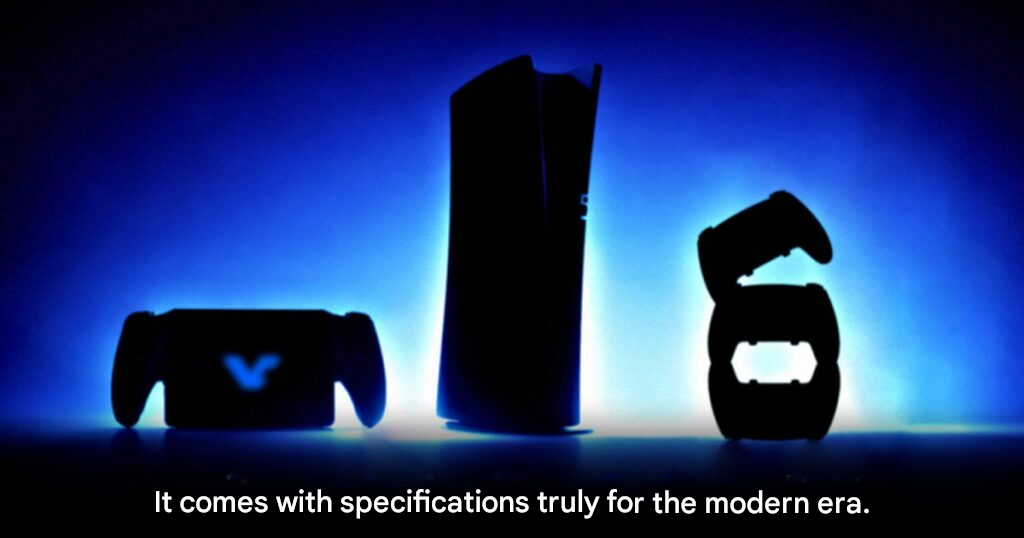
Although Sony is still far from officially unveiling the PlayStation 6, rumors and hardware leaks are already shaping expectations for the next generation console. Current speculation suggests PS6 could arrive sometime in 2026, with other reports claiming production may begin in mid 2027, leading to a launch window around late 2027 or early 2028.
The latest leak focuses on one of the most critical components of the system, its memory.
Leak Points to Major RAM Upgrade
According to Kepler L2, a well known and generally reliable hardware insider, PS6 is rumored to feature 30GB of GDDR7 RAM. This figure is 6GB higher than previous rumors and represents a significant leap from the PlayStation 5, which currently uses 16GB of GDDR6 memory.
The leak also claims the memory will operate on a 160 bit bus, delivering bandwidth up to 640GB per second. The configuration reportedly uses ten 3GB memory modules mounted directly on the motherboard. If accurate, this setup would dramatically improve performance for next generation games, particularly in areas like ray tracing, AI driven features, and large scale open world environments.
Rising Memory Costs Could Push Prices Up
Despite the performance benefits, the rumored RAM upgrade comes with a major concern. The global tech industry is currently facing a memory supply crisis, with RAM prices rising rapidly and shortages expected to continue for several years.
This situation could significantly increase production costs for PS6. Some analysts and users argue that 20GB of RAM would be a more balanced option, offering strong performance while keeping costs under control. They estimate that jumping to 30GB could raise the console’s retail price by around $100, potentially making the system less accessible at launch.
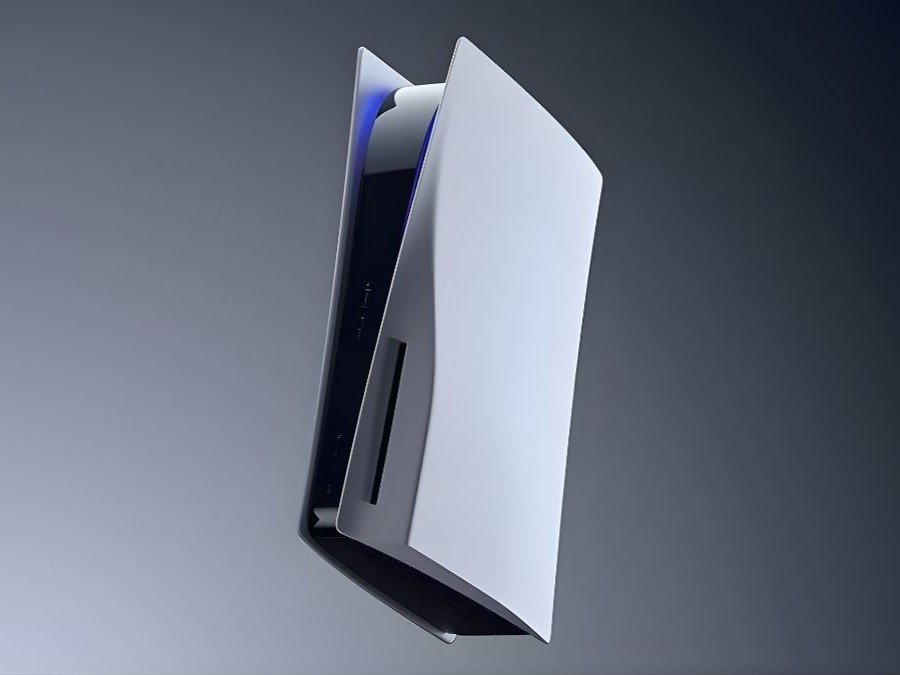
Sony May Absorb Early Costs
Kepler L2 strongly disagrees with the idea that 20GB would be sufficient for next generation gaming. He claims that such an amount would quickly become a bottleneck as game engines and visual fidelity continue to advance.
While acknowledging that memory costs could indeed increase overall production expenses by as much as $100 per unit, the source believes Sony may choose to absorb these losses during the first one to two years of the console’s lifecycle. This strategy would allow Sony to remain competitive until memory prices stabilize and manufacturing becomes more cost efficient.
A Difficult Balance Between Power and Price
Ultimately, Sony faces a challenging decision. On one side is the opportunity to set a new industry standard for console performance. On the other is the risk of pricing the PS6 beyond what many players are willing to pay.
As development continues, fans will be watching closely to see whether Sony prioritizes cutting edge performance or affordability. One thing is clear, PS6 is already shaping up to be one of the most closely watched console launches in gaming history.
Origin: Notebookcheck