SOL: Enchant Preview Shows Godlike MMORPG Power
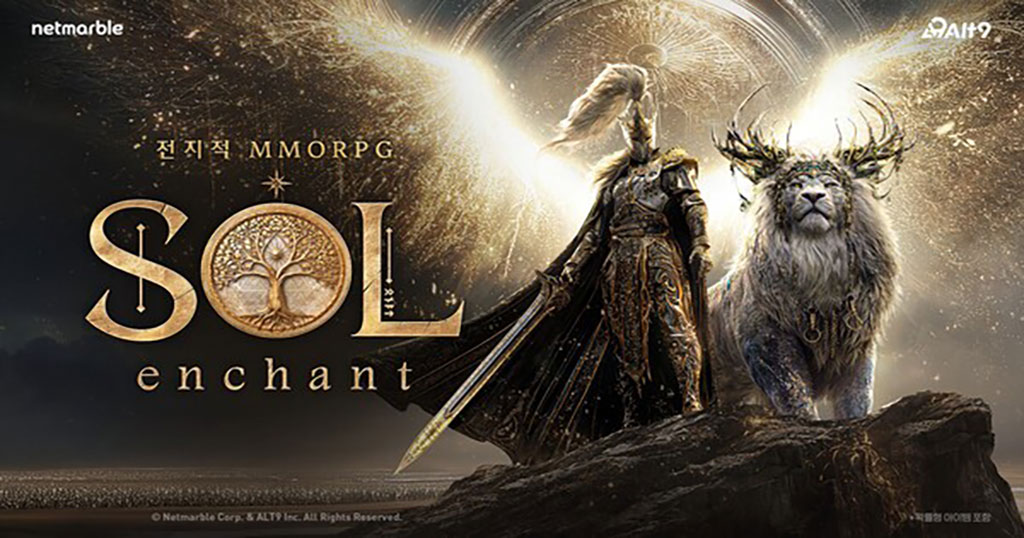
Netmarble and Alt9 are preparing to launch SOL: Enchant, a new MMORPG that asks one ambitious question: what if players could become gods inside the game?
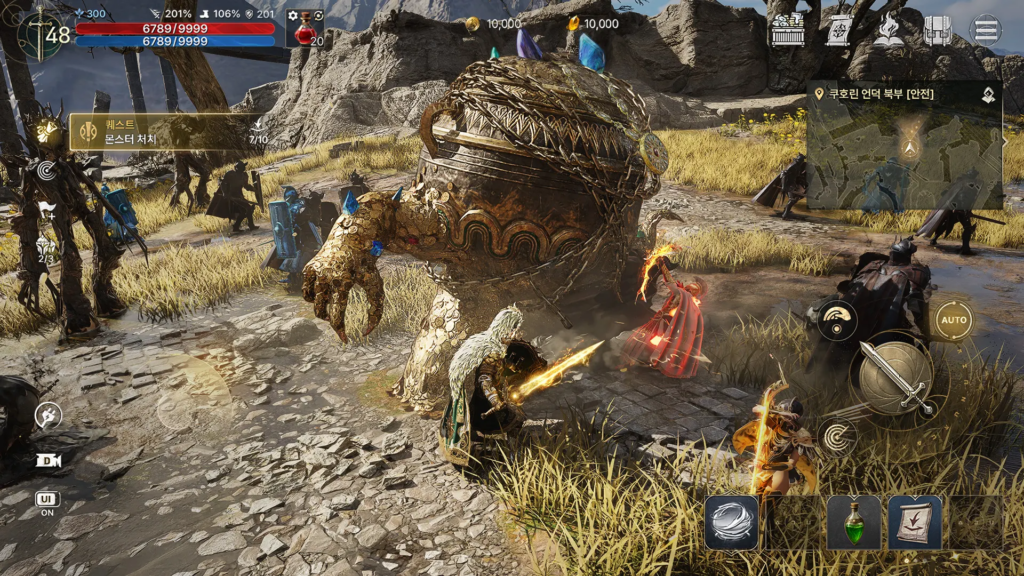
At first glance, SOL: Enchant may look like another high-end fantasy MMORPG with polished graphics and large-scale battles. However, its core idea goes beyond visual spectacle. The game builds its identity around divine authority, player-driven systems, and the promise that users can influence the game’s direction in meaningful ways.
Developed by Alt9, a studio formed by key developers from the Lineage M team, and published by Netmarble, the game is positioning itself as a major MMORPG release for 2026.
A World Built Around Divine Power
The biggest hook of SOL: Enchant is its god concept.
Instead of treating players as ordinary adventurers, the game frames them as successors who can claim divine power and reshape the battlefield. This idea connects directly to the world’s lore, where the hero Caltheon refused to become a vessel for the gods and instead took their power to save humanity.
That conflict leads to the War of Succession, where players fight to inherit godlike authority.
This gives the game a stronger narrative reason for its systems. The divine power concept is not just a flashy title. It supports the idea that players can rise above normal MMORPG limits and gain influence usually reserved for game operators or major system holders.
Unreal Engine 5 Gives The World Scale
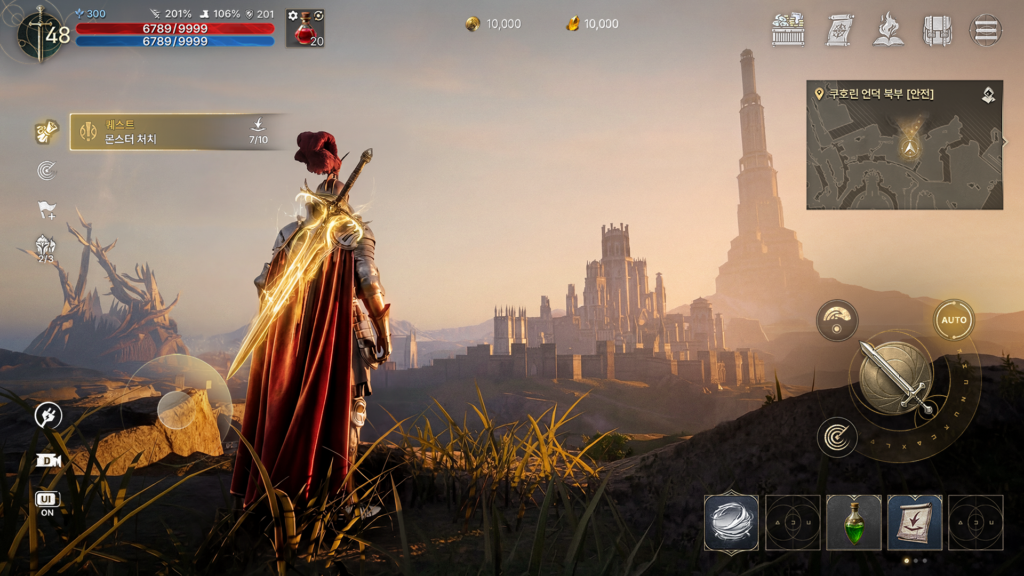
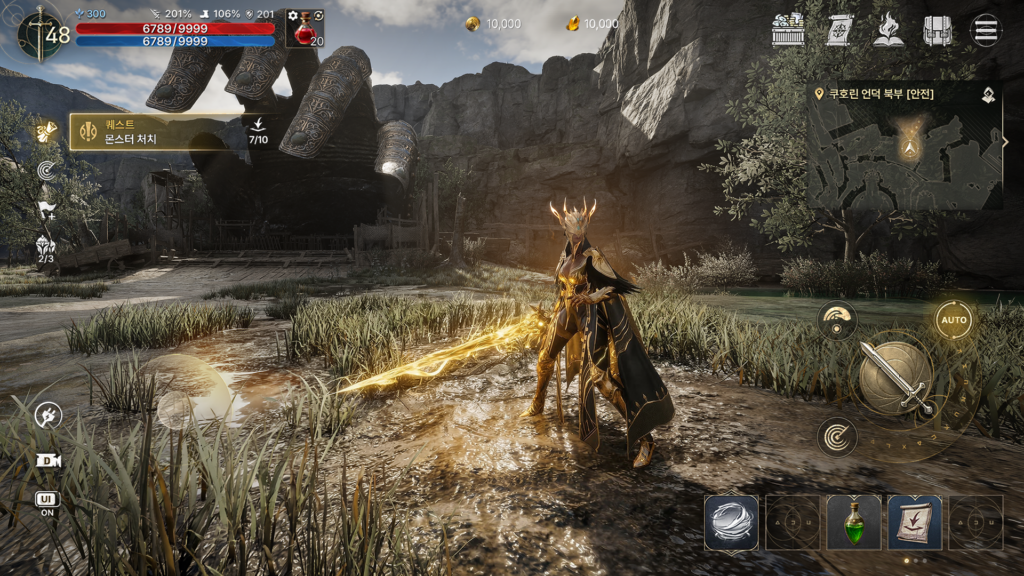
SOL: Enchant uses Unreal Engine 5 to create a seamless fantasy world.
The game aims to deliver wide landscapes, high-quality character visuals, and a more cinematic sense of exploration. It also supports a free-view camera system, giving players more control over how they experience the world compared with fixed-view MMORPGs.
This matters because presentation remains one of the first things players judge in modern online RPGs. If the world feels large, smooth, and immersive, SOL: Enchant may have a stronger chance to stand out in a crowded genre.
Free Economy Takes Center Stage
One of the game’s most interesting features is its free economy system.
According to official information, SOL: Enchant removes the traditional gold-style standard currency often used in MMORPGs. Instead, the game focuses on a freer trading structure where even summon results can become part of the marketplace.
This is a bold choice. MMORPG economies can define long-term player behavior, especially in games built around growth, trading, and rare items. A freer system could make the game feel more player-driven, but it also needs strong balance to avoid inflation, abuse, or unfair progression gaps.
If handled well, this system could become one of the game’s biggest talking points.
24-Hour Offline Play Supports Busy Players
Another key feature is 24-hour offline play.
This system allows character growth to continue even when players are not actively connected. For MMORPG players with work, school, or limited daily gaming time, this could make progression feel less punishing.
The system fits the modern mobile and PC MMORPG audience, where many players want steady growth without being forced to stay online all day.
However, this kind of feature also needs careful tuning. If offline growth becomes too powerful, active play may feel less rewarding. If it feels too weak, players may ignore it. The balance will be important.
Squad Mode Could Make Progression More Efficient
SOL: Enchant also plans to introduce Squad Mode, a system that allows players to grow more efficiently through multiple characters.
Official information describes it as a way to maximize growth efficiency through one connection while managing up to three characters in real time.
For MMORPG players who enjoy building several characters, this could be a major convenience feature. It may also support players who want to prepare different roles, test class options, or optimize farming without constantly switching accounts or sessions.
Classes, Gear, And Long-Term Growth
The game includes familiar MMORPG foundations such as classes, gear progression, and long-term character development.
However, SOL: Enchant appears to frame these systems around investment and divine progression. Its equipment research system suggests that players can work toward stronger gear through structured growth rather than depending only on luck.
The official site also highlights features such as God Armor, spiritual entities, runes, and growth support items. These systems show that the game wants to give players several layers of progression beyond standard leveling.
Launch Plans And Pre-Registration
SOL: Enchant is scheduled to launch in South Korea on June 18, 2026.
Pre-registration is already open through the official website and app marketplaces. Players who pre-register can receive rewards such as an Infinite Stamina Recovery Potion, an Infinite Return Scroll, and other growth support items.
Netmarble also plans to begin a character name reservation event before launch, allowing players to secure unique names across servers.
SOL: Enchant sounds interesting because it does not rely only on graphics or familiar MMORPG systems. Its divine power concept, free economy, 24-hour offline play, and squad progression give it a clearer identity than many fantasy online RPGs. The real test will be balance. If Netmarble and Alt9 can make its godlike systems feel powerful without breaking fairness, this could become one of the more important Korean MMORPG launches to watch in 2026.