Google has revealed its new smart glasses at Google I/O 2026, showing a fresh push into wearable AI technology.
The device is built on the Android XR platform through major collaboration with Samsung and Qualcomm.
Google designed the glasses as a hands-free personal assistant that can help users in daily life without forcing them to constantly pull out their phones.
Two types of smart glasses
Google is preparing 2 main types of smart glasses.
The first type focuses on audio.
It can provide information and guidance through speakers near the ears.
The second type includes a display system that can show important information directly on the lenses when needed.
This gives Google room to serve both lighter everyday users and people who want a more visual wearable experience.
Fashion partners join the project
The audio-focused smart glasses will arrive first near the end of the year.
Google says comfort and design are essential because users need to feel good wearing the glasses all day.
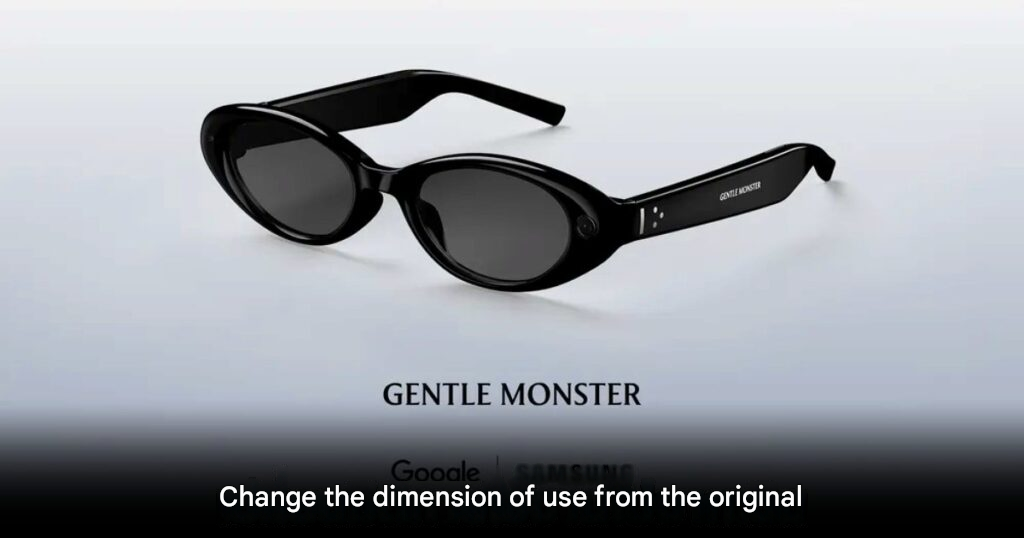
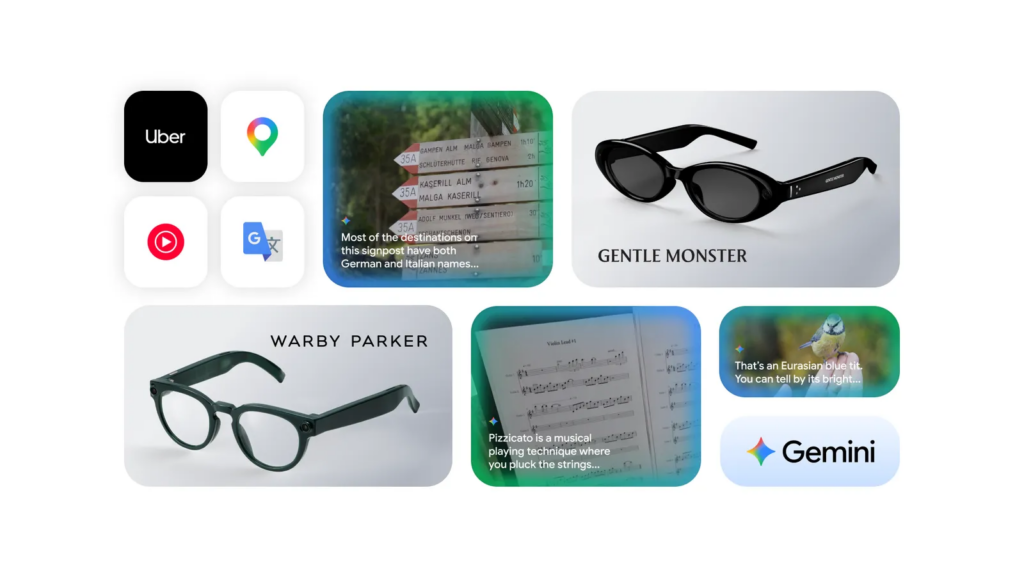
To support that goal, Google has teamed up with fashion eyewear brands Gentle Monster and Warby Parker.
The first sample designs have already been shown, while full collections are expected later.
Gemini powers the experience
The glasses use Gemini as the main AI assistant.
Users can activate it by saying Hey Google or by tapping the side of the glasses.
After that, they can ask questions about the world around them or request help with daily tasks.
Examples include asking about a restaurant nearby, identifying clouds in the sky, or translating confusing parking signs.
Navigation, calls, and messages
The glasses also support natural navigation.
They can understand location and direction, then guide users with turn-by-turn walking instructions.
Users can also search for nearby places, add stops along a route, answer calls, send voice messages, and ask Gemini to summarize missed messages.
The glasses include closed speakers above the ears, designed to deliver clear and more private audio.
Capture, edit, and translate
The glasses can also take photos and record high-quality videos quickly.
They support Nano Banana image features, such as removing background distractions or adding playful edits to photos.
Real-time translation is also included.
The system can adjust tone and pitch to better match the original speaker.
Users can also look at menus or signs and hear translations through audio.
Hands-free app support
Google also showed more complex task handling.
For example, users may ask the glasses to prepare a coffee order through DoorDash while their phone stays in their pocket.
They only need to confirm the final order.
The glasses can also support voice-controlled ride requests through Uber or language learning through Mondly.
The device can pair with both Android and iOS phones.
Google expects future app experiences to become more seamless across phones, glasses, and notebooks.
THIS IS our take
Google Android XR glasses sound like the company’s most serious attempt yet to make smart glasses feel useful instead of awkward. The real challenge is not just AI power. It is whether people will actually want to wear these glasses every day.
This Is Game SEA