5 Reasons SEA Games Feel More Exciting in 2026

For many years, games made in Southeast Asia faced a difficult image problem.
Some players questioned their quality, polish, design, or long-term appeal before even giving them a chance. However, things feel very different in 2026. More Southeast Asian games now show stronger ideas, better production quality, clearer identity, and a deeper understanding of what modern players want.
Several titles have also started gaining attention beyond their home markets, proving that local developers can create games with real international appeal.
Here are 5 major reasons why SEA-made games feel more playable, more polished, and more exciting than ever.
1. Developers Are Becoming More Confident In Their Identity
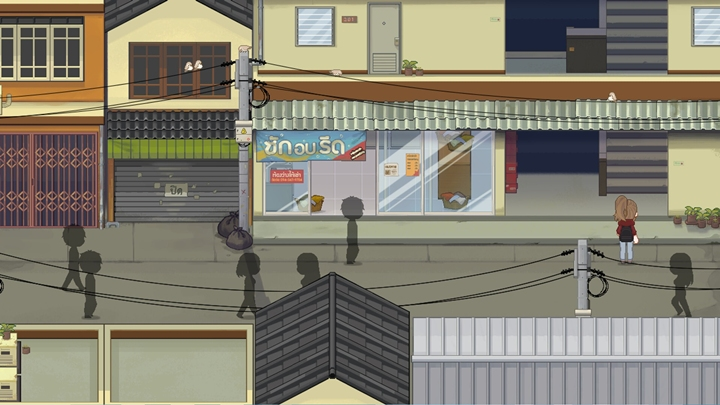
One of the biggest changes comes from confidence.
In the past, many regional developers tried to make games that looked too much like Japanese, Korean, or Western titles. That approach made sense for reaching a wider market, but it also made some games feel less distinct.
Now, more developers understand that their strongest advantage is identity.
Local atmosphere, folklore, ghost stories, beliefs, language, daily life, architecture, food culture, and Southeast Asian social textures can make a game feel fresh to global players. These details create experiences that players cannot easily find in mainstream releases.
Instead of hiding their roots, more teams now use them as creative strengths. That shift gives SEA-made games a clearer personality and stronger memory value.
2. Production Quality Has Improved A Lot

Modern SEA-made games also look and feel more polished than before.
Compared with projects from 5 to 10 years ago, many newer titles show big improvements in graphics, animation, sound, user interface, trailer editing, and overall presentation. First impressions matter, and regional developers now understand how much polish can affect player interest.
Modern tools also help smaller teams work at a higher level.
Engines like Unreal Engine 5 and Unity, along with different AI-assisted tools, have reduced some barriers that once limited small studios. Developers can now spend more energy on the actual quality of the game instead of fighting against technical limits all the time.
Because of this, the old idea that local games automatically look “less professional” is slowly fading.
3. Local Players Are Supporting Local Games More

Another important change comes from the players themselves.
Before, many local players carried a strong bias against games made in their own country or region. Some assumed these games would be unfinished, low-quality, or not worth the price. That attitude made it harder for developers to build momentum at home.
Today, the audience has become more open.
Players now see more proof that local developers can create good games. Social media also helps spread that awareness faster. When players buy, review, share, stream, or recommend SEA-made games, they create real support for the developers behind them.
This growing support matters. A stronger home audience gives developers confidence, visibility, and practical encouragement to keep improving.
4. The Global Market Is More Open To Indie Games

The gaming market has also changed in a way that benefits Southeast Asian developers.
In the past, success often required a big publisher, a large marketing budget, or a strong connection to major gaming markets. Today, indie games can reach global audiences through platforms like Steam, YouTube, TikTok, and Twitch.
A game with a strong idea, memorable style, or unique hook can spread quickly.
This gives SEA developers more opportunities than ever. They no longer need to depend completely on traditional publishers to reach international players. With the right concept and presentation, a smaller studio can build a global community directly.
As players around the world become more open to games from smaller countries and regions, Southeast Asian games gain a much better chance to break out.
5. New Developers Grew Up With World-Class Games
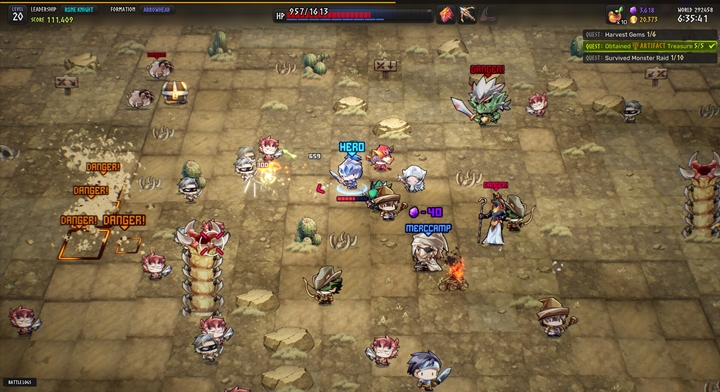
The new generation of developers also plays a huge role in this improvement.
Many younger SEA developers grew up playing AAA games, successful indie titles, modern online games, and global hits across different platforms. Because of that, they understand current standards in game design, user experience, storytelling, combat flow, pacing, and presentation.
They also have better access to learning resources.
YouTube tutorials, online courses, developer communities, game design breakdowns, postmortems, and global forums make it easier to study how great games work. This helps newer developers think more globally while still creating from a local perspective.
The result is a generation that feels more modern, more experimental, and more willing to try new ideas.
The Future Looks More Promising
Southeast Asian game development has clearly come a long way.
The region may not yet have an industry as large as Japan, Korea, Europe, or North America, but it now has more confidence, stronger tools, better player support, and more ways to reach global audiences.
If this growth continues, SEA-made games could become even more visible in the coming years. The most exciting part is that these games no longer need to imitate others to be interesting. Their local identity, creative risks, and improving quality may become their biggest advantage.
Southeast Asian games feel more exciting now because they are finally becoming more confident, more polished, and more visible. The best regional developers no longer need to hide their identity to look global. Instead, they can use local culture, stronger production values, and modern design knowledge to create games that feel fresh in the worldwide indie scene.