Microsoft 365 Copilot Adoption Reportedly Remains Under 4.5% After Three Years
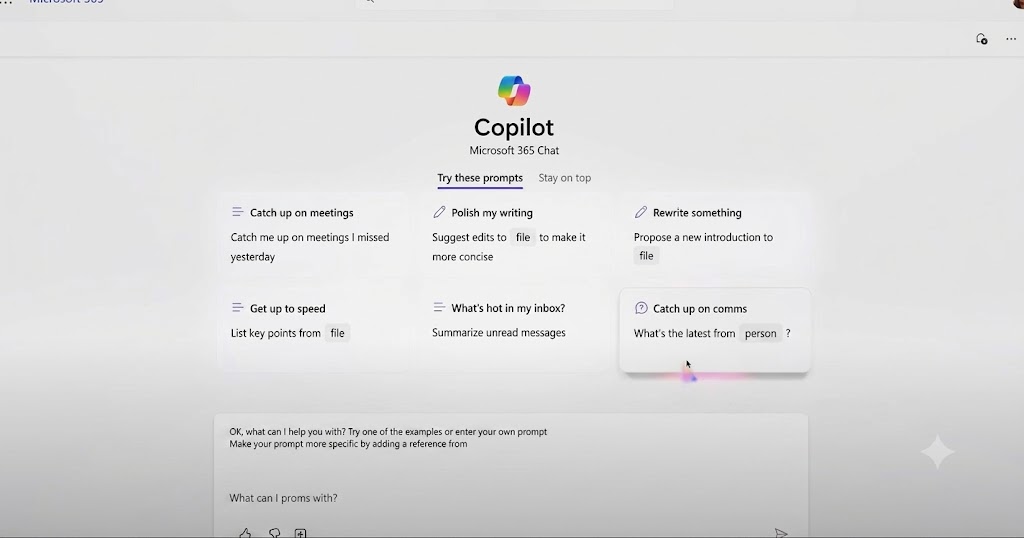
Microsoft’s vision of bringing artificial intelligence into everyday office work may not be progressing as quickly as expected.
A recent report claims that Microsoft 365 Copilot continues to see relatively low adoption among enterprise users, despite being available for nearly three years and heavily promoted across Microsoft’s productivity platform.
Adoption remains below expectations
According to the report, fewer than 4.5% of eligible users are actively using Microsoft 365 Copilot, while only around 1% reportedly access the AI assistant on a weekly basis.
The figures suggest that although AI has become one of Microsoft’s biggest priorities, many businesses and employees have yet to make Copilot a regular part of their workflow.

AI integration doesn’t automatically create daily users
Microsoft has integrated Copilot across familiar applications including Word, Excel, PowerPoint, Outlook, Teams, and other Microsoft 365 services.
While the AI assistant can summarize meetings, generate documents, analyze spreadsheets, and draft emails, many users still appear hesitant to rely on AI for everyday work.
For many professionals, existing workflows remain effective enough that switching to AI-assisted processes hasn’t become a necessity.
Pricing remains a concern
The report also highlights pricing as one of the biggest barriers.
Businesses evaluating Microsoft 365 Copilot must determine whether the additional subscription cost translates into meaningful productivity improvements across their workforce.
Without clear return on investment, many organizations may choose to delay large-scale deployments until AI tools become more capable or more affordable.
Competition continues to grow
Microsoft also faces increasing competition in the enterprise AI market.
Google continues expanding Gemini across Workspace, while OpenAI, Anthropic, and numerous enterprise AI providers are introducing their own workplace productivity tools.
Rather than simply offering AI features, companies now need to demonstrate measurable business value before customers commit to additional subscriptions.
Microsoft still has a strong advantage
Despite the reported adoption numbers, Microsoft remains in a strong position.
Because Microsoft 365 already powers millions of businesses worldwide, Copilot has direct access to one of the largest enterprise ecosystems in the industry.
As AI capabilities continue improving, broader adoption could still follow if Microsoft successfully demonstrates that Copilot saves enough time to justify its additional cost.
THIS IS our take
Low adoption doesn’t necessarily mean Copilot has failed—it simply shows that enterprise AI still has hurdles to overcome. Businesses aren’t looking for AI just because it’s new; they’re looking for tools that clearly improve productivity without adding complexity. Microsoft still has the advantage of being deeply integrated into daily workflows, but proving real-world value will ultimately determine Copilot’s long-term success.