Hideo Kojima Reflects on the Golden Era of Physical Games
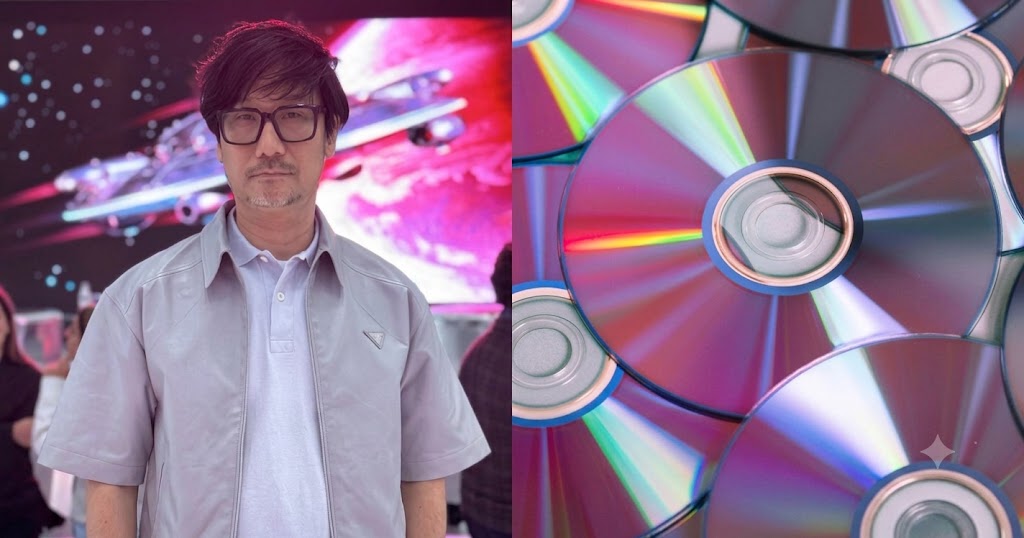
Legendary game creator Hideo Kojima has shared his thoughts on the changing landscape of video games, reflecting on what made the era of physical game releases so memorable.
As the industry continues shifting toward digital distribution, Kojima believes that physical games offered something beyond convenience—they created lasting memories through collecting, ownership, and the excitement of opening a newly purchased title.
More than just a game
According to Kojima, buying a physical game used to be an experience in itself.
Players would visit stores, examine the box art, read the back cover, flip through instruction manuals, and admire the included artwork before even starting the game. Those moments became part of the overall experience and built anticipation that many players still remember today.
For many longtime gamers, collecting shelves full of games also became a personal record of their gaming journey.
Physical collections carried emotional value
Kojima noted that physical media offered a sense of ownership that extended beyond simply having access to a game.
Boxes, collector’s editions, manuals, maps, and bonus items often became cherished collectibles. Even years later, seeing a favorite game on a shelf could instantly bring back memories of finishing it or sharing it with friends and family.
While digital libraries offer convenience, they rarely create the same tangible emotional connection.
The industry has changed
Today’s gaming landscape is very different.
Digital storefronts allow players to purchase games instantly without leaving home, while updates, downloadable content, and cloud storage have made gaming more accessible than ever.
However, Kojima’s comments highlight that convenience sometimes comes at the cost of the physical rituals that many players grew up with.
Preservation remains an important discussion
The conversation also ties into the growing debate surrounding game preservation.
Physical copies can continue to exist long after digital storefronts close, while digital purchases often depend on platform support, licensing agreements, and online services.
As more publishers move toward digital-only releases, many players continue to express concerns about long-term ownership and access to the games they buy.
A nostalgic reminder for longtime gamers
Kojima’s reflections resonate with players who remember lining up for midnight launches, reading thick instruction manuals on the ride home, and proudly displaying collections built over decades.
While digital gaming offers undeniable benefits, his comments serve as a reminder that physical games represented more than software—they were keepsakes that became part of players’ personal histories.
Physical games may no longer dominate the industry, but they remain an important part of gaming culture. Kojima’s comments remind us that collecting games wasn’t just about ownership—it was about preserving memories. As gaming becomes increasingly digital, preserving that sense of history will be just as important as preserving the games themselves.