7 Legendary Konami Franchises Every SEA Gamer Still Remembers
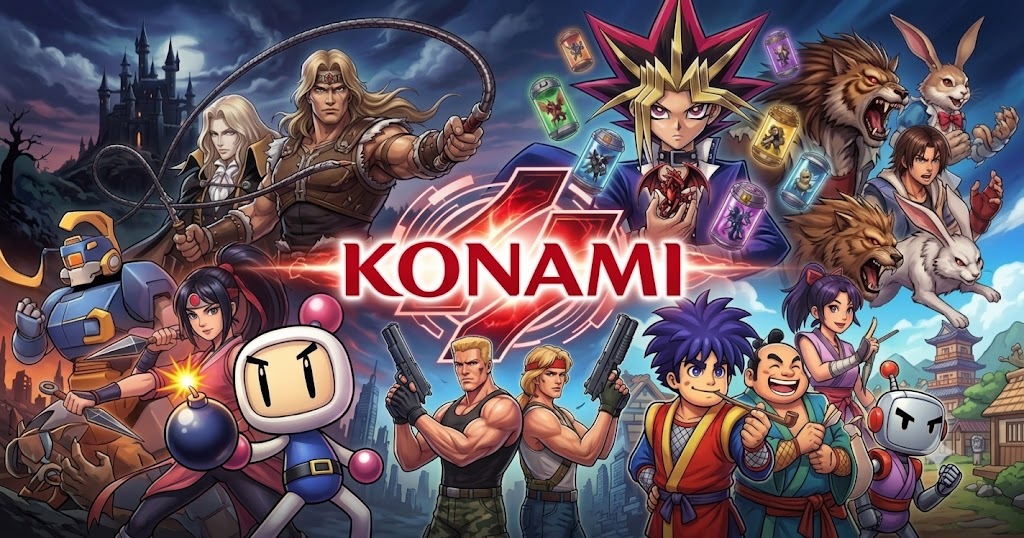
For many gamers across Southeast Asia, Konami was one of the defining names of the golden age of gaming. From the days of the Famicom and Super Famicom to the PlayStation era, the publisher delivered countless classics that shaped childhood memories and inspired generations of players.
While some of these franchises continue to receive new entries, others have remained dormant for years. Nevertheless, their legacy lives on. Here are seven legendary Konami franchises that continue to evoke nostalgia among longtime gamers.
1. Castlevania
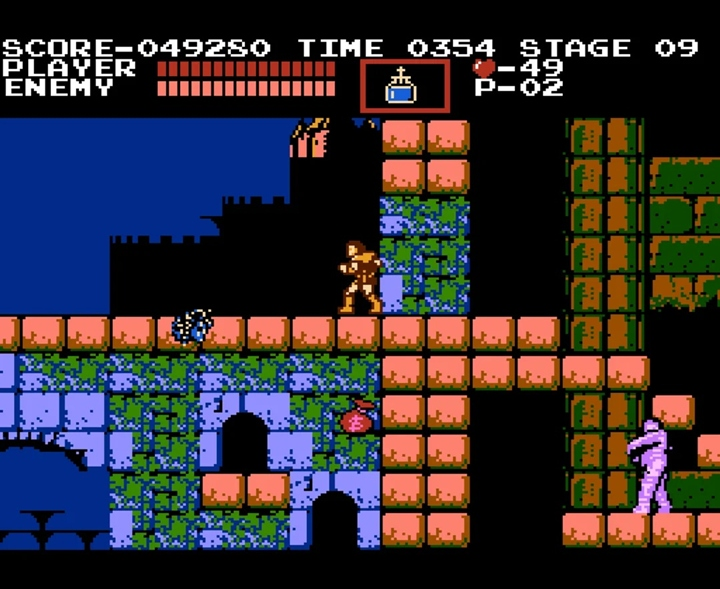
Few action games have left as lasting an impact as Castlevania. Beginning on the Famicom, the series reached legendary status with Castlevania: Symphony of the Night on the original PlayStation, helping define the Metroidvania genre.
Its gothic atmosphere, unforgettable soundtrack, and challenging gameplay remain benchmarks for action-adventure games. Although recent years have focused mainly on collections and the Netflix animated series, fans continue to hope for a brand-new mainline installment.
2. Contra
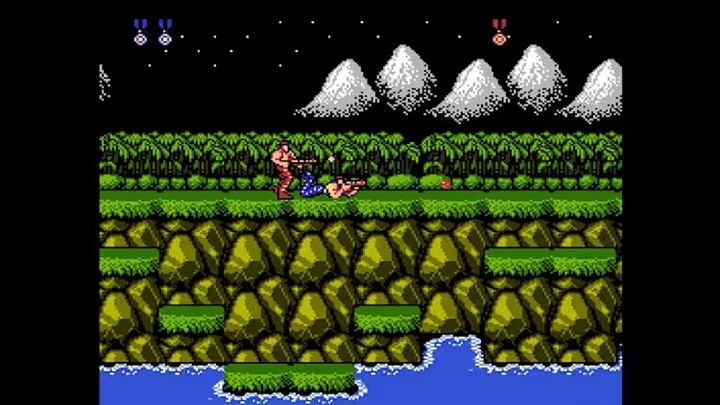
The Contra series became synonymous with fast-paced run-and-gun action and one of gaming’s most famous cheat codes.
Its cooperative gameplay, powerful weapon upgrades—especially the beloved Spread Shot—and demanding difficulty made it a staple of countless childhood gaming sessions. While the franchise has seen modern revivals, many players still regard the original entries as the definitive Contra experience.
3. Bloody Roar
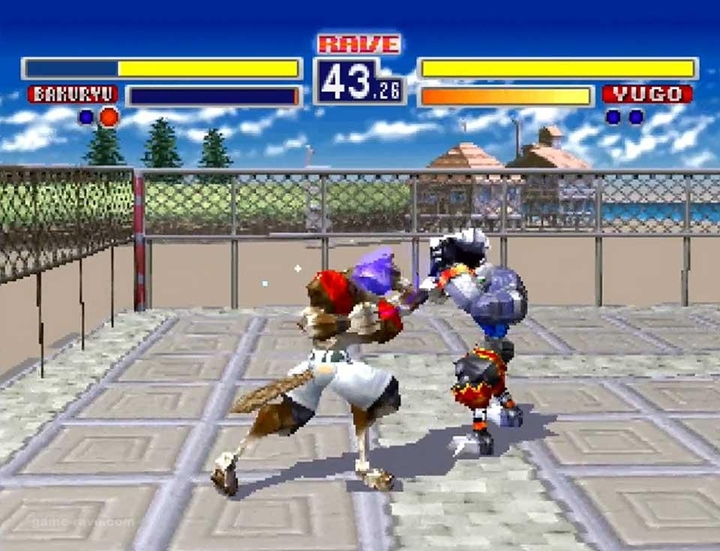
One of the most memorable fighting games of the PlayStation era, Bloody Roar stood out with its unique beast transformation mechanic.
Players could transform into powerful animal forms such as wolves, lions, tigers, and reptiles, unlocking new attacks and devastating combos. Although the series has remained inactive since Hudson Soft was absorbed into Konami, it remains one of the most requested fighting game revivals.
4. Ganbare Goemon
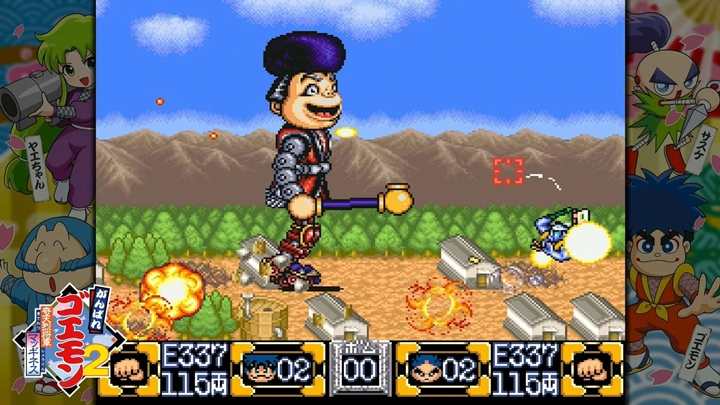
Ganbare Goemon blended Japanese folklore, comedy, action, and adventure into one unforgettable package.
Across multiple Nintendo platforms, players explored colorful worlds, battled bizarre enemies, piloted giant robots, and enjoyed numerous mini-games. Despite its absence from modern consoles, the franchise remains a beloved cult classic.
5. Gradius
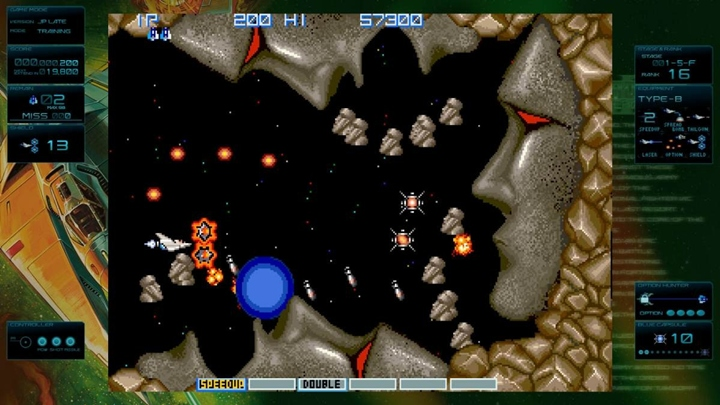
Long before bullet-hell shooters became popular, Gradius helped establish the side-scrolling space shooter genre.
Its innovative power-up gauge allowed players to strategically choose upgrades, while memorable boss encounters and challenging gameplay cemented its legendary status. The franchise also helped popularize the iconic Konami Code, which remains one of gaming’s most recognizable secrets.
6. Bomberman
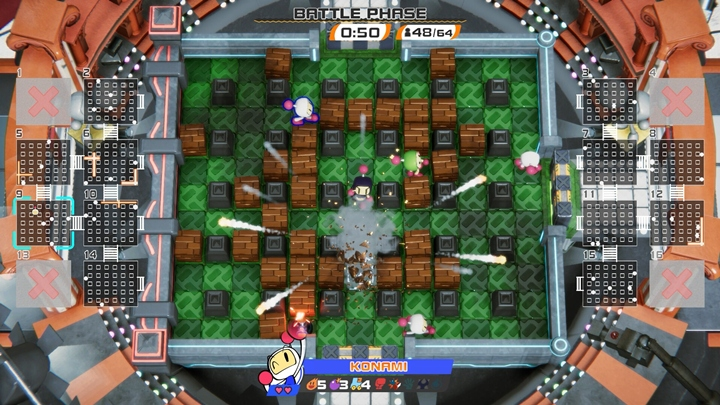
Although Bomberman originated outside Konami before later joining the company’s portfolio through Hudson Soft, it remains one of the publisher’s most recognizable multiplayer franchises.
Its deceptively simple bomb-laying mechanics created countless competitive moments among friends. Whether playing locally with four controllers or competing in modern online matches, Bomberman continues to be one of gaming’s greatest party experiences.
7. Yu-Gi-Oh! Monster Capsule: Breed and Battle
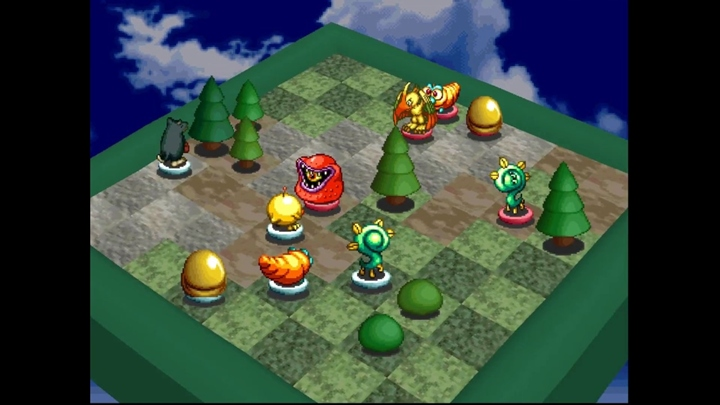
While most players associate Yu-Gi-Oh! with card duels, PlayStation fans fondly remember Monster Capsule: Breed and Battle.
Instead of traditional card battles, players hatched monsters, raised them, and fought tactical battles on a grid-based battlefield. Its blend of strategy, collection, and RPG elements made it one of the most memorable Yu-Gi-Oh! spin-offs ever released.
Timeless Memories
Whether it was surviving Dracula’s castle, blasting through alien armies, transforming into beasts, laying traps with bombs, or raising monsters, these Konami classics defined countless childhoods.
Although gaming has evolved dramatically over the years, these legendary franchises continue to remind players why Konami became one of the industry’s most influential publishers—and why fans still hope many of these series will one day make a full comeback.