New Project Opens More Classic Windows Games to Linux Play
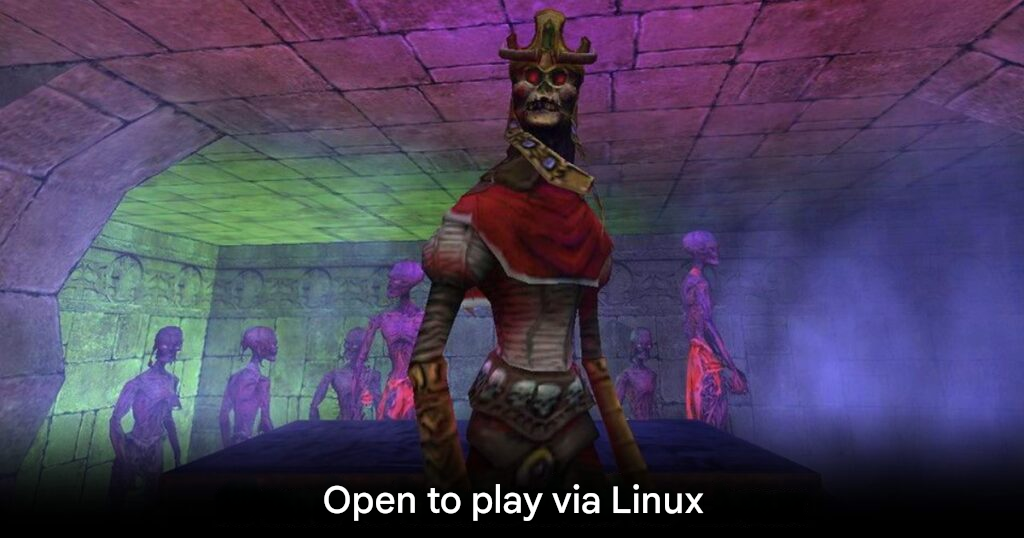
Gamers across Southeast Asia and around the globe have reason to celebrate. A new open‑source project has emerged that significantly improves compatibility for classic Windows games on Linux platforms. This initiative focuses specifically on titles that use the once‑common Direct3D 7 (D3D7) graphics API a format many emulators and compatibility tools previously struggled to support. Because D3D7 was used by many popular games in the early 2000s, this project unlocks access to a library of games that were previously difficult or impossible to run on Linux or Steam Deck systems.
The layer, built on Vulkan and branching off the existing DXVK backend (already used for modern Direct3D‑to‑Vulkan translation), translates D3D7 calls into D3D9 (via DXVK) and then into Vulkan. By doing this, the project reuses established translation infrastructure, keeping development faster and more efficient. However, developers of the project caution that full compatibility is not guaranteed. Because of the age and complexity of D3D7 titles many of which mix legacy graphics APIs, direct draw components, and custom internal engines not all titles will function perfectly or at all. Still, the move marks a meaningful step in preserving gaming history on modern hardware.
The gaming community has taken note of the implications. With this new layer, more Windows‑only games from the era of the original Counter‑Strike, early sports titles, and first‑generation 3D shooters now have a better chance of running on Linux distributions, offering a stronger and broader catalogue for players who prefer open‑source systems or handheld Linux‑based devices. For Southeast Asia gamers, this means more access to classic PC game nostalgia without needing a Windows machine.
Of course, there are caveats. Some games built on the D3D7 API combine legacy components like old DirectDraw overlays or GDI‑based rendering that remain unsupported. The project also clearly states that it does not aim to support extremely old APIs like Direct3D 6 or earlier. That means certain very early titles will remain unplayable in this new environment. Still, by enabling hundreds of D3D7 games to finally perform well on modern Linux systems, the project offers a fresh path for retro gaming enthusiasts and Linux adopters alike.
origin: Arstechnica
THIS IS OUR SAY
This compatibility project is a game‑changer for anyone stubbornly faithful to Linux or handheld PC systems. By opening the door to a wider range of classic Windows games, players in SEA and beyond are gaining access to decades of gaming history previously locked behind Windows only environments. It proves that when communities rally around compatibility and preservation, no operating system has to hold back your play.