Why Dead or Alive Chose Female Leads to Stand Out
Why Dead or Alive Chose Female Leads?
A design philosophy rooted in logic that shaped a major phenomenon
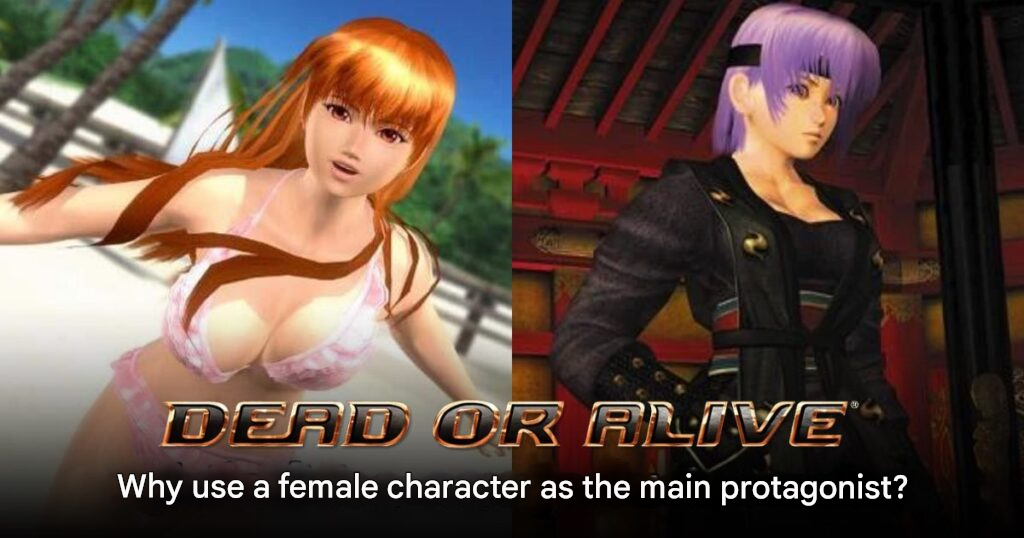
Dead or Alive is not only known for fast and accessible gameplay but also for its wide roster of memorable female characters, from Japanese fighters to Chinese martial artists to Western specialists, each bringing unique combat styles. Across every installment, their popularity and striking appeal grew, along with their central role as the main stars. Recently, an interesting interview from a now deceased former developer resurfaced, shedding new light on this long-standing direction.
User oirandrive shared a portion of an interview with Itagaki Tomonobu, the creator of the franchise. In the interview, he explained that the team originally planned for a male lead. However, they later felt that Kasumi fit the role more naturally. At the time, most fighting games featured male protagonists, which made some of the staff question this decision.
Tomonobu was asked by fellow developers why he chose a female lead. He answered that if Dead or Alive had been one of the earliest 3D fighting games, he might have chosen a male protagonist. But since the market already had two major 3D hits, Virtua Fighter and Tekken, both very successful, Dead or Alive needed to break existing boundaries to stand out. That idea led to using a female lead.
Surprisingly or not, this approach helped the game rise quickly and establish itself as one of the top names in the genre. The momentum grew even stronger with Dead or Alive 2, released on Dreamcast and in arcades, both achieving impressive success. Itagaki’s bold vision deserves applause, and it is undeniable that every entry under his leadership introduced strong innovations. Even the remake of the second game was rebuilt with improvements in every detail.
Dead or Alive was first released on PlayStation and SEGA Saturn along with an arcade version. It gained attention for its stage interaction system, where arenas responded to the players’ actions. The earliest version featured flat stage layouts before evolving into multi layered environments. The combat system used three main buttons for punch, kick, and throw, along with a defensive mechanic that allowed quick counters.