Apple Cuts Vision Pro Production Amid Weak Sales
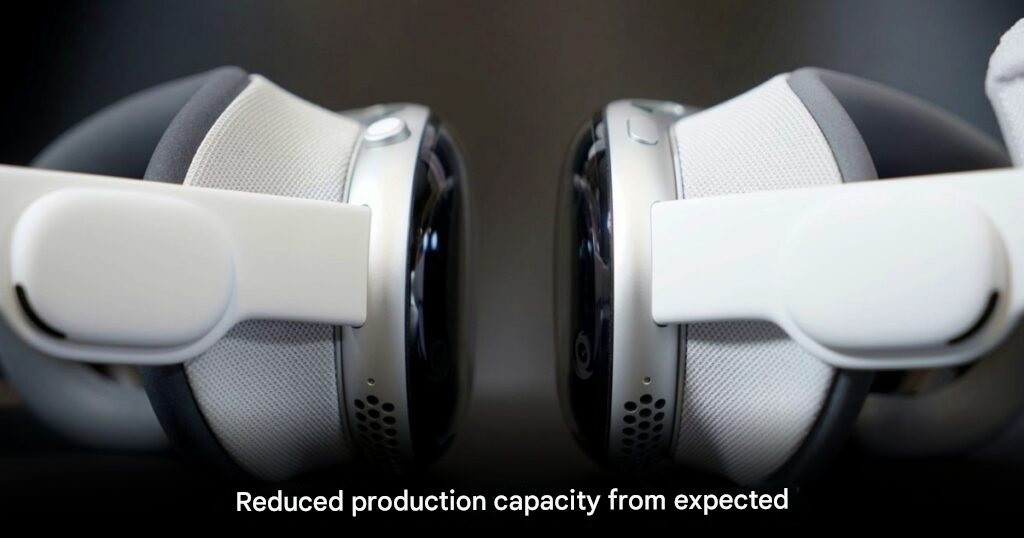
Apple has decided to significantly reduce production of its Vision Pro headset after global sales failed to meet expectations. Despite efforts to position the device as a pioneering product in spatial computing, analysts report that Apple slashed marketing budgets for Vision Pro by over 95% last year, redirecting resources to other products with stronger market interest.
Slow Sales and High Price
While core products like the iPhone and iPad continue to post strong quarterly sales, Vision Pro—with a starting price of $3,499—has struggled. IDC estimates that shipments in the last quarter of the previous year totaled only about 45,000 units, far below Apple’s typical multi-million-unit standards.
Production partners like Luxshare in China reportedly halted Vision Pro manufacturing at the start of 2025, with no immediate plans to expand sales beyond the 13 countries where it is currently available. Counterpoint Research forecasts a global VR headset market contraction of around 14% annually, signaling challenges for all players in the segment.
Lessons from the Past and AI Pivot
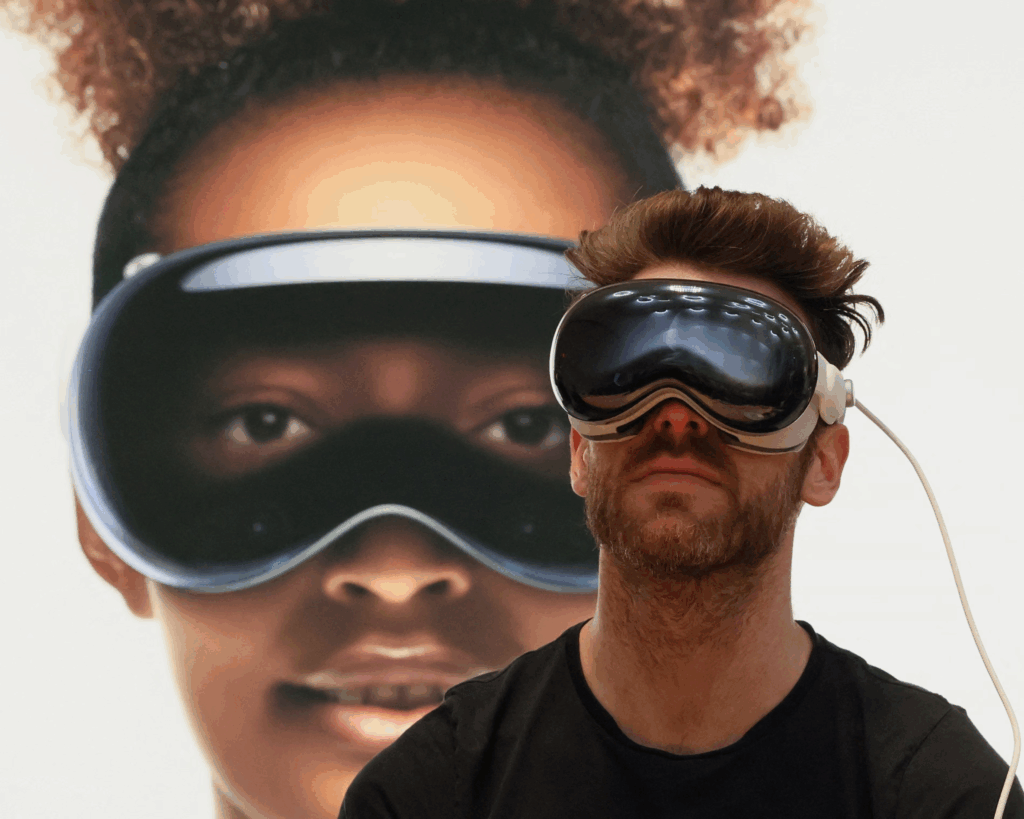
Early setbacks for Vision Pro have drawn comparisons to Google Glass, which struggled with public perception and adoption. However, Apple is reportedly pivoting R&D efforts toward AI-powered smart glasses aimed at everyday usability. The next-generation AR headset is expected to focus on integrating AI features, making devices lighter, more functional, and accessible to a wider audience.
Meta’s approach mirrors this shift: reducing investments in large-scale metaverse projects and focusing on affordable smart glasses that can capture up to 80% market share due to accessibility and practical features.
Challenges: Price, Comfort, and App Ecosystem
Analysts highlight that high cost and the headset’s weight—which makes long-term wear uncomfortable—remain major obstacles. Additionally, Vision Pro currently supports only about 3,000 native apps, far fewer than Apple’s App Store ecosystem, restricting adoption primarily to developers and tech enthusiasts willing to pay a premium to explore new technology.
Apple has delayed broader development of next-gen VR devices to focus on wearable AI devices, aligning with emerging trends in consumer tech and responding to market realities.
Origin: The Guardian