Japan Stores Urge Gamers to Sell Old PCs Amid Shortages
Japanese Stores Ask Customers to Sell Old PCs to Solve Stock Shortages
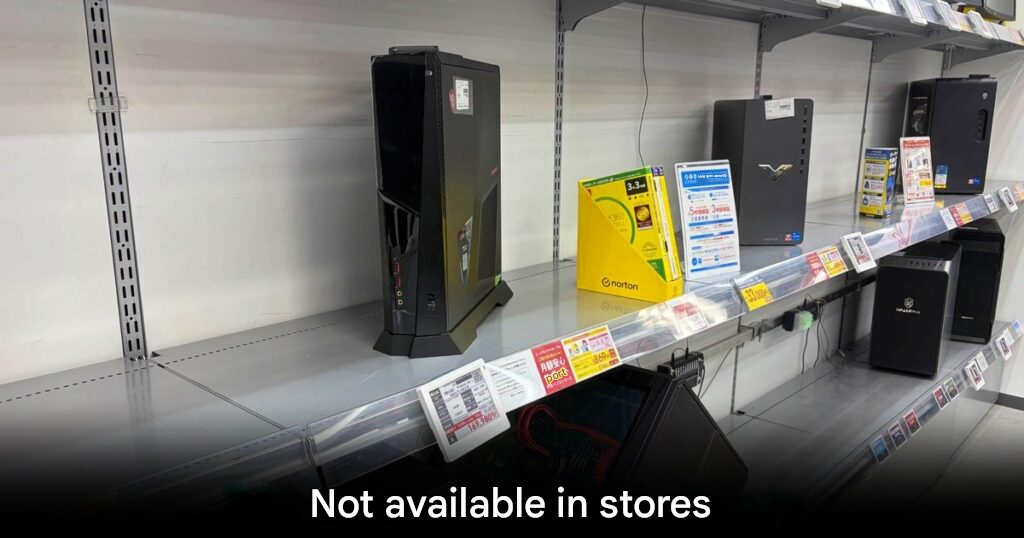
A social media buzz has emerged as Sofmap Gaming, a well-known electronics store in Akihabara, Tokyo, posted on X asking gamers and PC users to sell their old computers back to the store. The message seemed almost like a plea: if you buy a new PC, please help by selling your old gaming machine to the store. Photos show shelves nearly empty, reflecting a serious stock shortage.
The crisis stems from skyrocketing demand for used computers while new units remain scarce. Sofmap stated that even second-hand gaming PCs are hard to find. To attract sellers, the store is offering premium prices and will buy almost anything, including gaming desktops, laptops, or even general-purpose PCs.
The situation in Akihabara highlights broader impacts on the PC industry, particularly memory prices. Much of the RAM is being redirected to AI data centers, pushing consumer memory prices sharply higher. For instance, Corsair Vengeance RGB DDR5-5200 16GB now sells for $235, a more than threefold increase from $66 in October last year.
The GPU market is also showing early warning signs, with high-VRAM graphics cards facing production constraints. Upcoming GPU launches may be delayed or priced higher, pushing many consumers toward the second-hand market due to budget constraints or limited availability. Retailers like Sofmap have thus started buying old PCs directly from users.
Generally, Sofmap focuses on machines compatible with DDR4 or meeting Windows 11 minimum specs, such as Intel Gen 8 or AMD Ryzen 2000 CPUs. Older “vintage” machines also have niche markets, serviced by stores like Hard-Off in Japan. In the current shortage, even older machines gain significant value.
This trend is a notable signal for the global IT industry. If supply chain issues persist, other countries may follow suit, with stores purchasing used PCs to meet demand. Anyone with unused desktops or laptops now has an opportunity to turn old hardware into cash.
Source: Tomshardware