South Korean Gaming Market Faces Paradox: Record Revenue Amid Declining Player Numbers
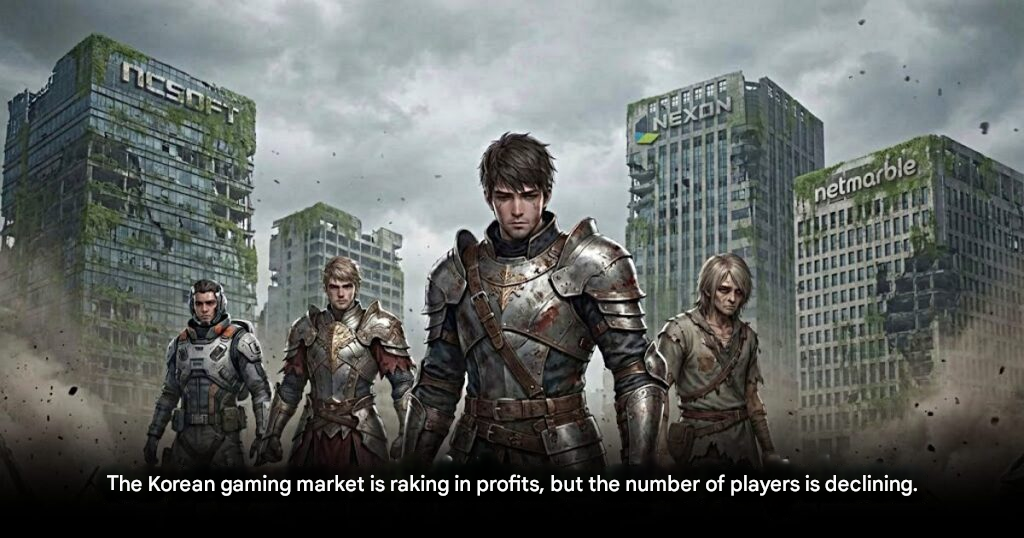
South Korean Gaming Market Sees Record Revenue but Falling Players
One month into the new year, South Korea’s major gaming companies have begun releasing their Q4 2025 financial results, covering October to December. Companies like Netmarble reported on January 5, NCSOFT on January 10, followed by Nexon, Krafton, Kakao Games, Wemade on January 11, and NHN and Pearl Abyss on January 12. Preliminary figures suggest that most major publishers performed strongly over the past year.
Nexon and NCSOFT Lead Revenue Growth
Industry analysts predict Nexon to top the revenue charts with approximately ₩4.5594 trillion, a record-breaking 13.7% increase from 2024. Profits are expected at ₩1.4112 trillion, up 26.4%, driven by consistent performers like MapleStory and FC Online/Mobile, as well as the successful launch of ARC Raiders.
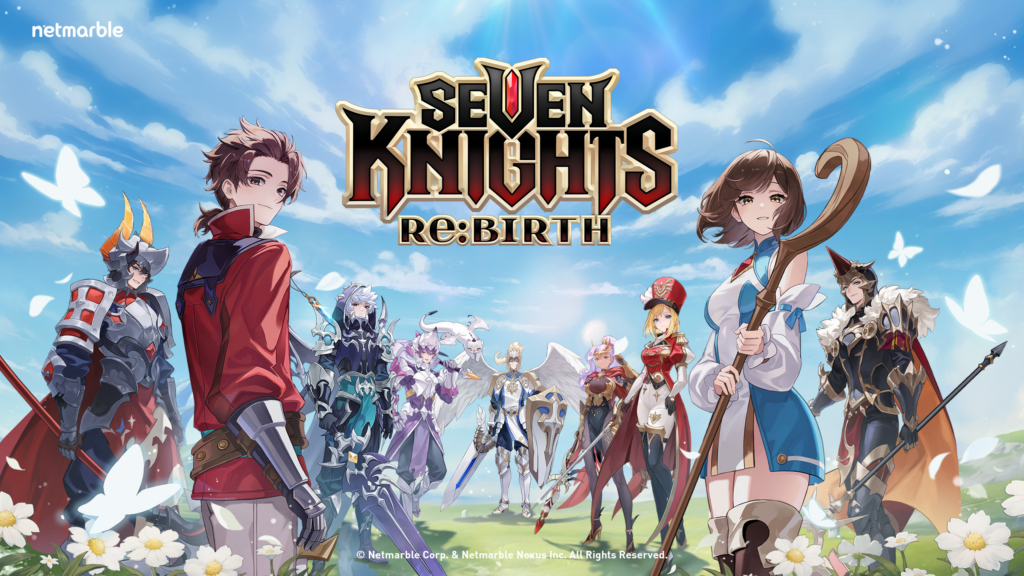
Meanwhile, NCSOFT, which reported losses in 2024 and early 2025, turned its performance around in 2025. AION 2 alone generated ₩100 billion in sales within 46 days of release. Netmarble also benefited from strong launches such as Vampir and Seven Knights Re: BIRTH, which together earned ₩345.4 billion.

Player Base Decline Sparks Concern
Despite record revenues, the number of active players in South Korea continues to decline. In 2022, 74.4% of the population played games regularly. This fell to 62.9% in 2023, 59.9% in 2024, and 50.2% in 2025. Analysts suggest a major factor is that 86.3% of former players have shifted to watching videos and short clips instead of gaming.
The shrinking player base is particularly concerning because it reflects market value potential. Considering the seven largest gaming companies in the country, total corporate value declined by ₩4 trillion in 2025. Industry representatives acknowledge that traditional methods can no longer expand the player base. A spokesperson stated, “Now is not the time to focus on profit, but to question how long the current structure can sustain itself.”
Strategic Reset Under Consideration
South Korean publishers are exploring reset strategies for 2026, including diversifying game genres, expanding to new platforms, and seeking innovative formulas. The standard success models that once worked are becoming less effective, prompting a search for fresh approaches.
Observers also note a contrast with the Chinese gaming market, which has seen strong results from titles such as Black Myth: Wukong and Where Winds Meet. This year, industry watchers will closely monitor whether South Korean developers can adapt and whether Chinese games will introduce new trends that challenge the local market.
The 2025 results highlight a paradox in South Korea’s gaming industry: while revenue reaches record heights, player engagement is shrinking, forcing companies to rethink strategy and innovation for sustainable growth.