Samsung Galaxy S26 Ultra Display Flaw: Stunning Tech but Fails Eye Comfort
Samsung Galaxy S26 Ultra: Cutting-Edge Display Fails the Eye Comfort Test
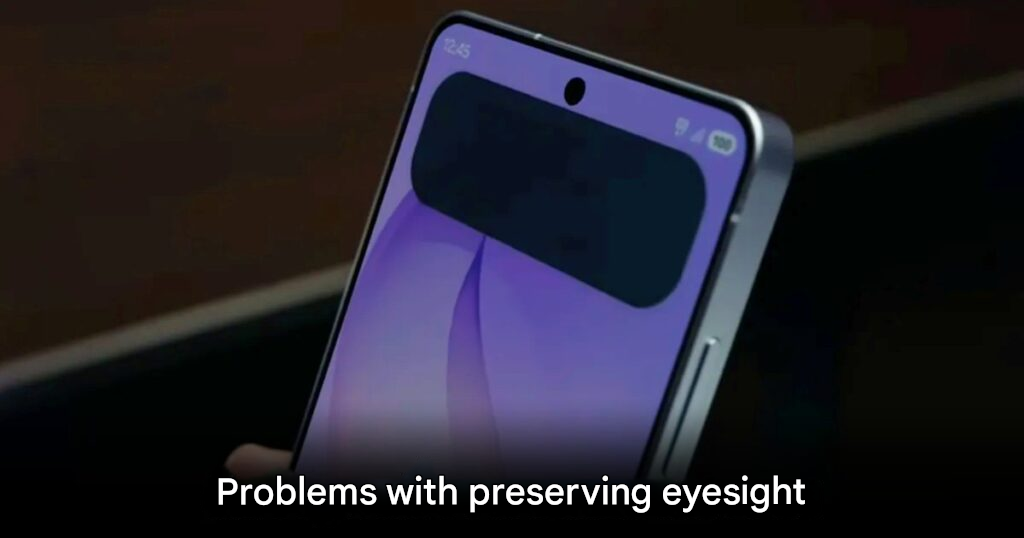
The launch of the Samsung Galaxy S26 Ultra was met with excitement over its Privacy Display technology, designed to block side-viewing snoops. However, it seems Samsung’s focus on marketing-friendly features has come at the expense of a critical health standard: PWM Dimming (Pulse Width Modulation), the frequency at which a screen flickers to adjust brightness.
Reports from Android Authority and various tech reviewers reveal that the Galaxy S26 Ultra still utilizes a PWM Dimming rate of only 480Hz. In the 2026 smartphone landscape, this figure is alarmingly low, especially for a flagship device.
The Problem with Screen Flicker (PWM)
While the average user might not see this flickering with the naked eye, it is a significant trigger for the estimated 1 billion people worldwide who suffer from Light Sensitivity or Migraines. Low-frequency flickering causes the pupils to expand and contract rapidly, leading to eye strain, headaches, and even nausea—particularly when using the phone at low brightness levels in dark environments.
Outperformed by Budget and Mid-Range Competitors
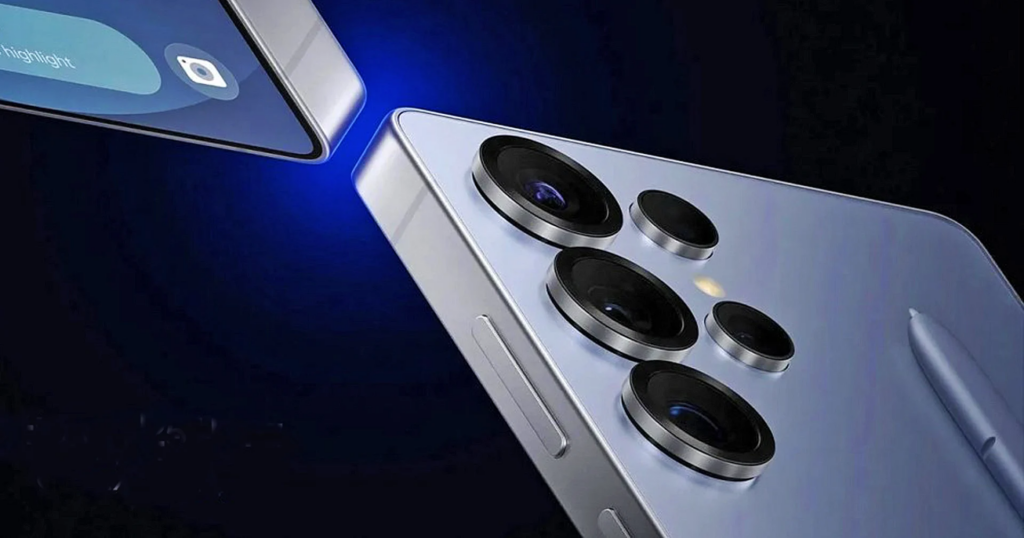
The most disappointing aspect for Samsung fans is how the $1,300+ flagship loses to much cheaper “entry-level” and mid-range devices that prioritize eye health:
- HONOR X9d: A budget-friendly phone featuring a massive 3,840Hz PWM rate.
- OnePlus 13R: A sub-flagship device offering 2,160Hz for superior comfort.
- Xiaomi 17 Ultra: Includes hardware-level DC Dimming and TÜV Rheinland eye comfort certification.
While competitors are moving toward “flicker-free” standards, Samsung has failed to include any specialized hardware or software toggles to mitigate this issue in the S26 series.
A Missed Opportunity for a Market Leader
As a global leader in display manufacturing, Samsung is expected to set the bar for the industry. Critics argue that adding a “Privacy Display” feels like a gimmick when the panel itself continues to cause physical discomfort for a large segment of the population. While the iPhone 17 and Pixel 10 also struggle with relatively low PWM rates, the expectations for Samsung the “King of Displays” are naturally higher.
If you are sensitive to light or frequently use your phone at night, the Galaxy S26 Ultra may require a literal “test look” before purchase. For those who value eye comfort over privacy filters, mid-range alternatives might actually provide a much better daily experience.
Origin: Androidauthority