Gamers Make Better Drivers: New Study
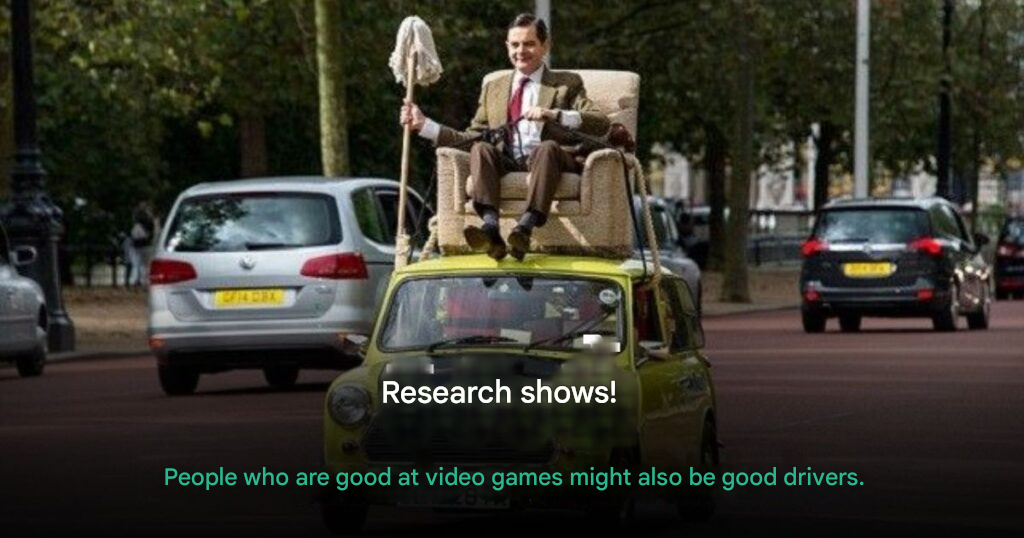
Research Reveals: Gamers Might Actually Be Better Drivers!
For years, whenever older generations or parents talked about video games, the narrative was almost always the same: “Why are you wasting your time?” or “Games just make people aggressive.” At best, gaming was viewed as nothing more than a simple way to unwind after school or work.
However, a fascinating new piece of research is challenging these outdated stereotypes. It turns out that the medium long dismissed as mere entertainment might actually offer highly practical, real-world benefits—specifically when it comes to training skills essential for driving a car.
The Science Behind the Screen
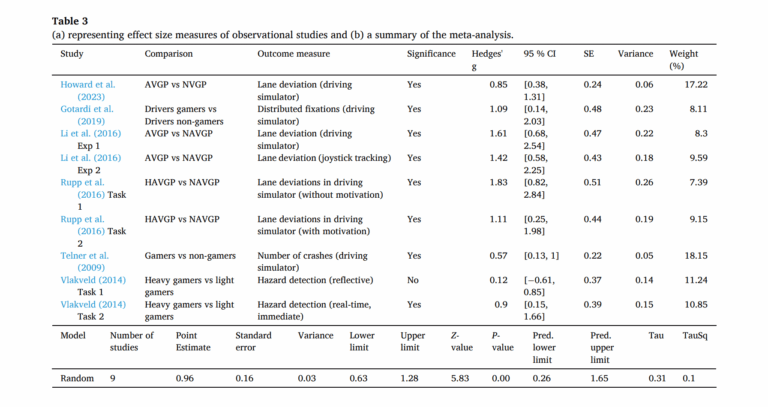
This recent research is a comprehensive meta-analysis that compiled data from 13 previous studies. The primary goal was to determine exactly how “gaming experience” and “game-based training” impact driving-related skills, including visual processing, reaction times, decision-making, hazard perception, and vehicle control in simulated environments.
The methodology is what makes this analysis so compelling. It looked at actual measured results, comparing experienced gamers against non-gamers, and tracking participants who underwent specific game-based training to see if their driving skills improved.
The overall conclusion was incredibly clear: People with gaming experience consistently perform better in driving-related tests, particularly in computer-based assessments and driving simulators, which researchers use to safely measure driving behavior in controlled environments.
Overlapping Cognitive Skill Sets
Researchers explain that driving a real car is a vastly more complex cognitive activity than most people realize. It requires much more than simply turning a steering wheel or pressing a brake pedal. Drivers must simultaneously execute multiple high-level tasks:
- Rapidly scanning the surrounding environment
- Instantly identifying and processing hazard signals
- Making split-second critical decisions
- Maintaining strict lane discipline
- Dividing attention across multiple moving variables
- Executing precise hand-eye-foot coordination
These are the exact same cognitive and motor skills utilized during intense gaming sessions. Researchers suggest that video games effectively act as a “brain training ground” for these critical driving skills. In simple terms, when you are playing a game, you are not just mindlessly pressing buttons; you are actively training your brain to absorb information faster, process data more efficiently, and react with pinpoint accuracy.
The Best Games for the Job
The research also highlighted that even short-term game-based training can yield visible results, sometimes in as little as 8 to 10 hours of cumulative playtime. The genres most frequently cited as beneficial in the studies include:
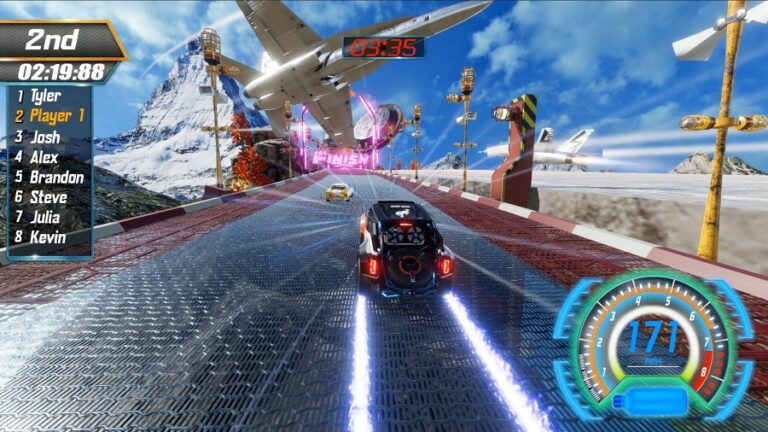
- Racing Games
- First-Person Shooters (FPS)
It is important to note that the type of game heavily matters. Not every game will boost your driving abilities. You have to select titles that actively challenge the specific cognitive functions you want to develop.

The Reality Check: Reflexes vs. Discipline
While the findings are exciting, the researchers firmly emphasize a necessary reality check: this does not mean that every single person who plays video games is automatically a flawless driver.
Current evidence has limitations. The pool of studies is still growing, the types of games tested vary wildly, measurement methods differ, and many of the tests rely on driving simulators rather than actual on-road driving. This distinction is crucial because scoring high in a simulator or having lightning-fast reflexes does not automatically translate to safe driving in the real world.
Real-world driving involves critical human factors that a screen cannot easily replicate: strict discipline, a sense of personal responsibility, emotional regulation (avoiding road rage), strict adherence to traffic laws, and complex real-time risk assessment.
A Powerful Supplementary Tool
Ultimately, this research is not suggesting that a gaming console can replace a certified driving instructor or actual behind-the-wheel experience. Instead, it proves that video games can serve as a highly effective supplementary tool to train fundamental cognitive baselines—such as visual scanning, rapid response times, and situational control.
If utilized correctly, gaming can be an excellent training mechanism for specific groups, such as absolute beginners, teenagers just learning to drive, or individuals actively looking to sharpen their reaction times. The biggest takeaway? Video games are far from the purely negative influence many people claim them to be. So, the next time your parents complain about you playing games all day… you can finally show them the science!