Life is Strange: Reunion Review – A Powerful Return of Max and Chloe
Life is Strange: Reunion marks a long-awaited return to one of gaming’s most emotional narrative-driven series, bringing back beloved characters Max and Chloe in a story filled with memory, connection, and consequences.
Overview of Life is Strange: Reunion

This sequel preserves the core identity of the series—episodic storytelling, meaningful choices, and a strong emotional focus—while expanding on its narrative depth. Players once again step into the shoes of Max, alongside other playable perspectives, as they navigate a new crisis deeply tied to past events.
The game blends drama, mystery, and supernatural elements seamlessly, delivering an experience that remains engaging from start to finish.
Significantly Improved Visuals
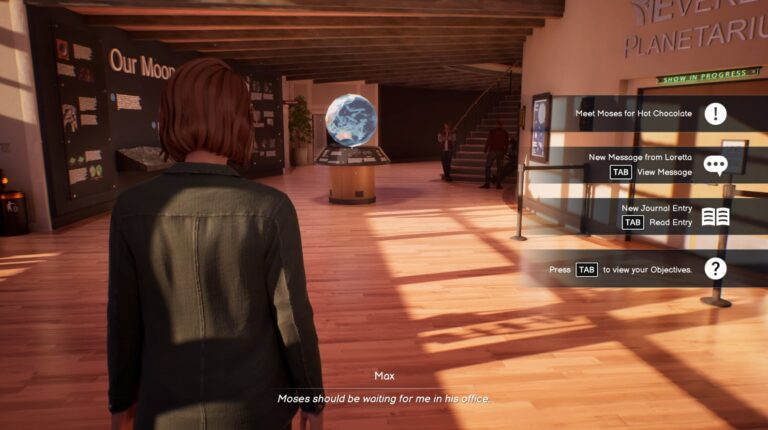
One of the most noticeable upgrades is the game’s visuals. Character models are more detailed, lighting is more realistic, and the iconic artistic style of the series is preserved beautifully.
Facial expressions and emotional nuances are more refined, allowing players to connect more deeply with each scene. Environments are also carefully crafted, making the world feel more alive and immersive.
Classic Atmosphere Returns
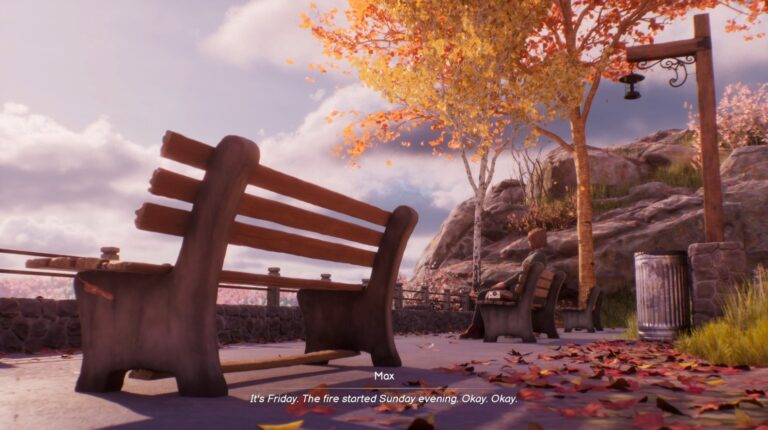
The game captures a nostalgic, almost cinematic vibe, especially in its university setting. From campus grounds to student life, the environment feels authentic and relatable.
These small, quiet moments—conversations, reflections, and everyday life—add emotional weight and may evoke a sense of nostalgia for players.
Exploration-Driven Gameplay
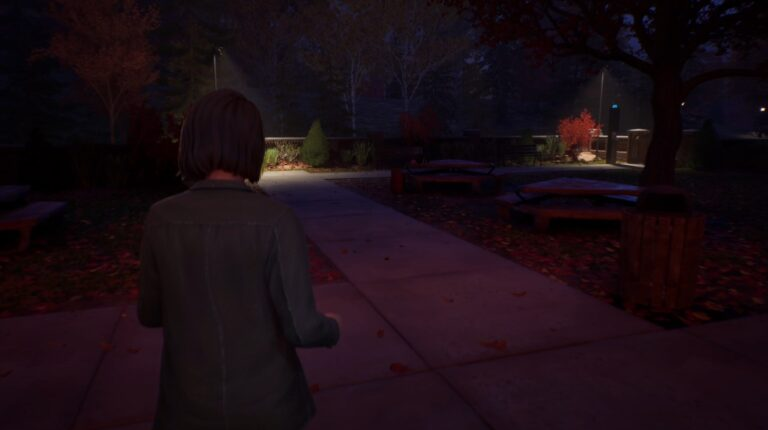
Gameplay continues to focus on exploration and observation. Players investigate environments, interact with objects, and uncover clues that influence future decisions.
Rather than fast-paced action, the experience revolves around absorbing the story and piecing together events. This design makes players feel deeply involved in the narrative.
Photo Mode Enhances Immersion
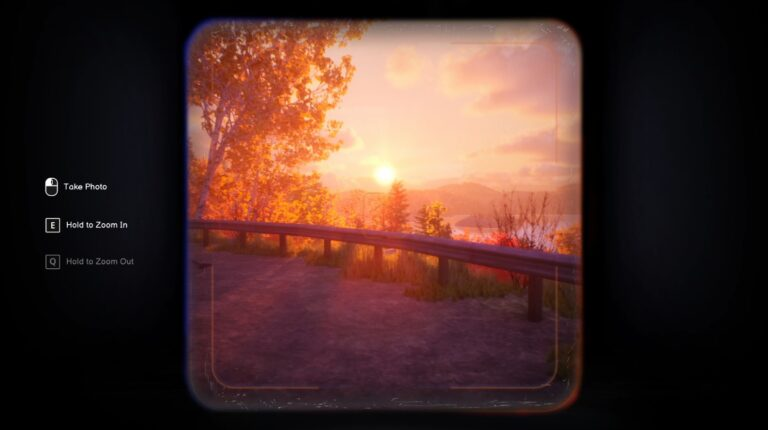
A new Photo Mode allows players to capture moments throughout the game. Given Max’s background in photography, this addition feels natural and meaningful.
Players can freely adjust angles and save images outside the game, adding a creative layer to the experience.
Choice System Carries Real Weight
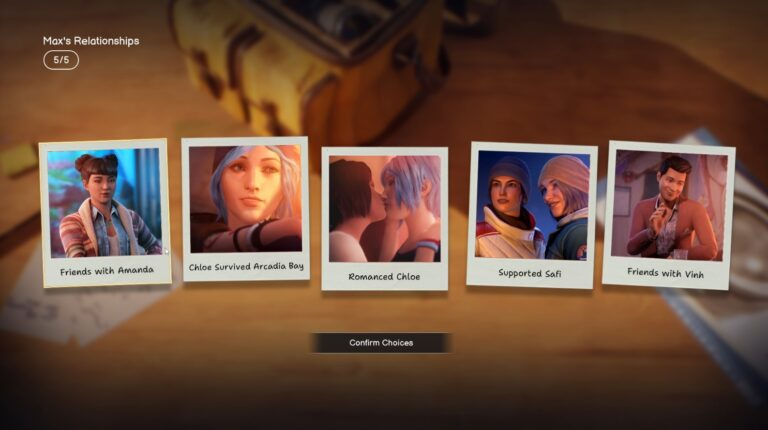
Before starting, players define relationships through a selection system that impacts the story. Choices affect dialogue, character interactions, and narrative direction, ensuring that each playthrough feels unique.
Dual Perspective Storytelling
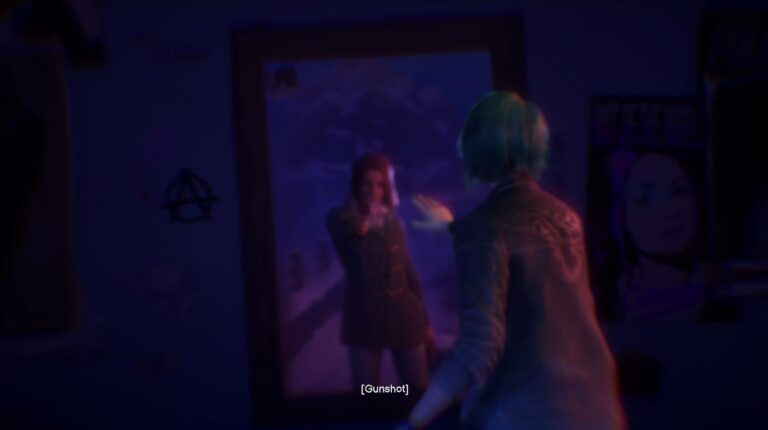
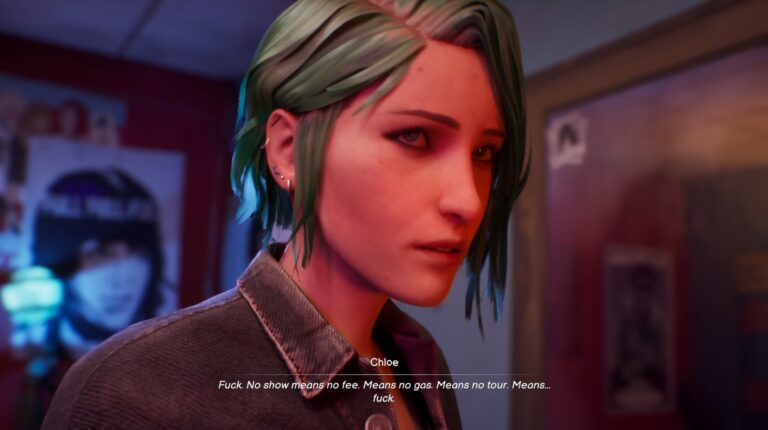
The narrative expands by allowing players to experience events from both Max and Chloe’s perspectives. This approach adds depth and provides a more complete understanding of the story.
The Return of Max’s Powers
A defining feature of the series—Max’s ability to rewind time through photographs—makes a comeback. This mechanic allows players to revisit past moments and alter outcomes, reshaping the future.
This power returns at a critical moment, driven by Max’s desire to protect those close to her, reinforcing the emotional core of the story.
Story Summary
Set years after the original game, Max is now a photography student while Chloe pursues music. A mysterious incident at the university and strange visions begin to connect their paths once again.
As danger unfolds, both characters seek answers—Max investigates a major threat while Chloe tries to understand her visions—leading to a deeply intertwined narrative.
Final Verdict
Pros:
- Strong emotional storytelling and character development
- Return of beloved characters Max and Chloe
- Improved visuals and atmosphere
- Well-paced narrative structure
Cons:
- Not suitable for players seeking action-heavy gameplay
- Limited puzzle complexity
Overall, Life is Strange: Reunion is more than just a continuation—it’s an evolution. With deeper storytelling, richer gameplay systems, and emotionally charged moments, it stands as a worthy successor that both fans and newcomers can appreciate.