iOS 27 May Finally Bring Native Google Cast Support
iOS 27 May Finally Bring Native Google Cast Support to iPhone
Apple may be preparing a major change for iPhone users as iOS 27 is rumored to support Google Cast natively.
According to the latest report, the feature could allow iPhone users to stream content through Google Cast in a smoother way, similar to how AirPlay already works inside Apple’s own ecosystem.
This would mark an important shift for Apple, especially as regulators continue pushing large technology companies to make their platforms more open and flexible.
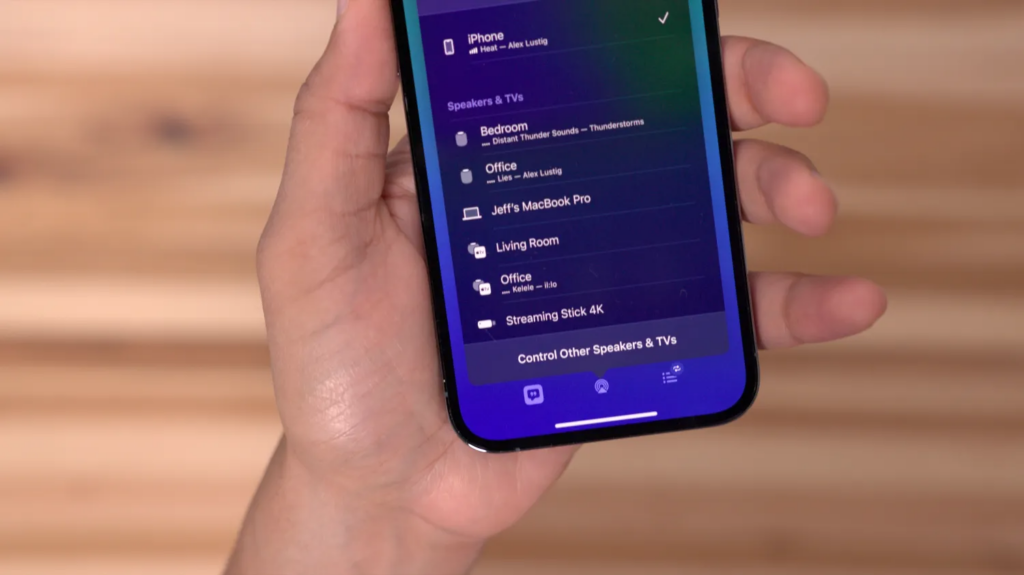
Google Cast Could Work More Like AirPlay
At the moment, using Google Cast on iPhone is not always seamless.
Developers need to add support for the feature inside each app. Because of that, streaming video or music from an iPhone to a TV or speaker can feel less consistent than using AirPlay.
If iOS 27 adds Google Cast directly into the operating system, users may no longer need to depend only on individual app support. The experience could become more natural, faster, and easier to access across compatible devices.
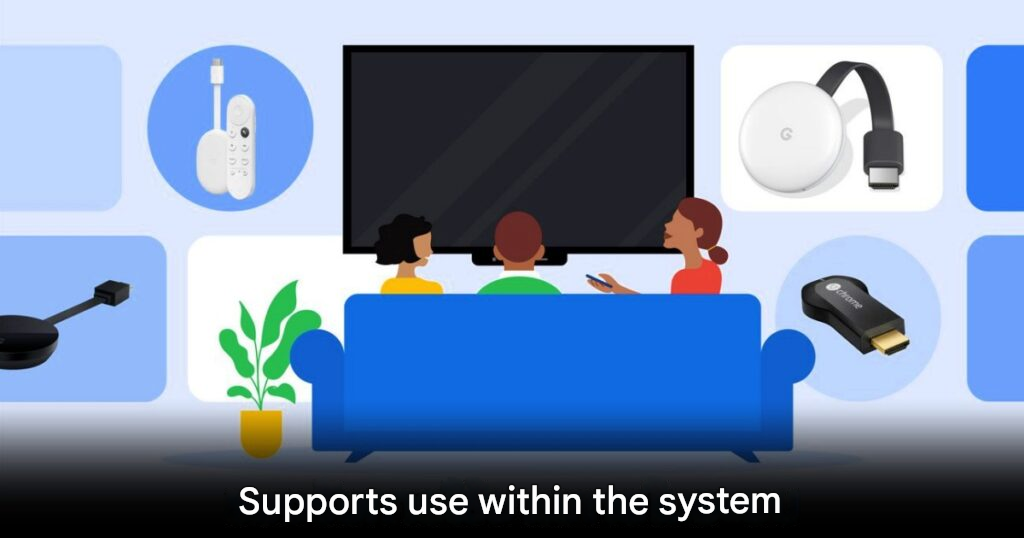
That would be great news for users who own smart TVs, speakers, or other devices that already support Google’s casting system.
Users May Choose Google Cast as a Default Option
One of the expected changes is the ability to set Google Cast as a default casting solution.
This means users may be able to choose Google Cast instead of AirPlay directly through the iPhone settings menu. If implemented well, it could make photo, video, and audio sharing much more convenient.
This would especially help households that use a mix of Apple and Google-supported devices. Many users do not live inside one ecosystem alone. Some may use an iPhone, a Google Cast TV, Android-based speakers, or other connected home devices.
For them, native support could remove a lot of friction.
The Change May Be Linked to Europe’s Digital Markets Act
The rumored change may also connect to the Digital Markets Act in the European Union.
This law aims to make major digital platforms more open and fair for users, developers, and competing services. Because of this, Apple has already made several region-specific changes in Europe.
That also means this feature may not launch worldwide at first.
The report suggests that native Google Cast support may be limited to users in the European Union because Apple often applies legally required software changes only in the affected region.
For users in Southeast Asia and other markets, that would be disappointing. Many people outside Europe also want more freedom when connecting iPhones to non-Apple devices.
A Big Win for Mixed-Device Homes
If the feature arrives, it could become very useful for people who already invested in Google Cast devices.
Many smart TVs and speakers already support the protocol. Because of that, iPhone users may finally enjoy easier streaming without needing to buy Apple-only hardware or rely on app-by-app support.
This would make the iPhone feel more flexible in modern homes where devices often come from different brands.
Instead of forcing users to stay inside one system, Apple could give them more ways to connect with the hardware they already own.
Apple May Be Slowly Opening Its Ecosystem
Apple has always protected its ecosystem carefully. That approach helped the company deliver tight integration across iPhone, iPad, Mac, Apple TV, and HomePod.
However, the technology world has changed. Users now expect more compatibility, more choice, and fewer artificial barriers between devices.
Native Google Cast support would not mean Apple is abandoning AirPlay. Instead, it could show that the company is becoming more willing to support major standards outside its own ecosystem when needed.
That shift could benefit users most.
iOS 27 adding native Google Cast support would be a smart move for Apple, even if it starts only in Europe. Many iPhone users already own TVs and speakers that support Google Cast, so giving them a smoother way to connect simply makes sense. AirPlay will still matter, but more choice is always better for users. If Apple expands this feature beyond Europe in the future, it could make the iPhone much more friendly for mixed-device homes.
Origin: 9to5google