Steam Deck OLED Sells Out Fast After Price Surge
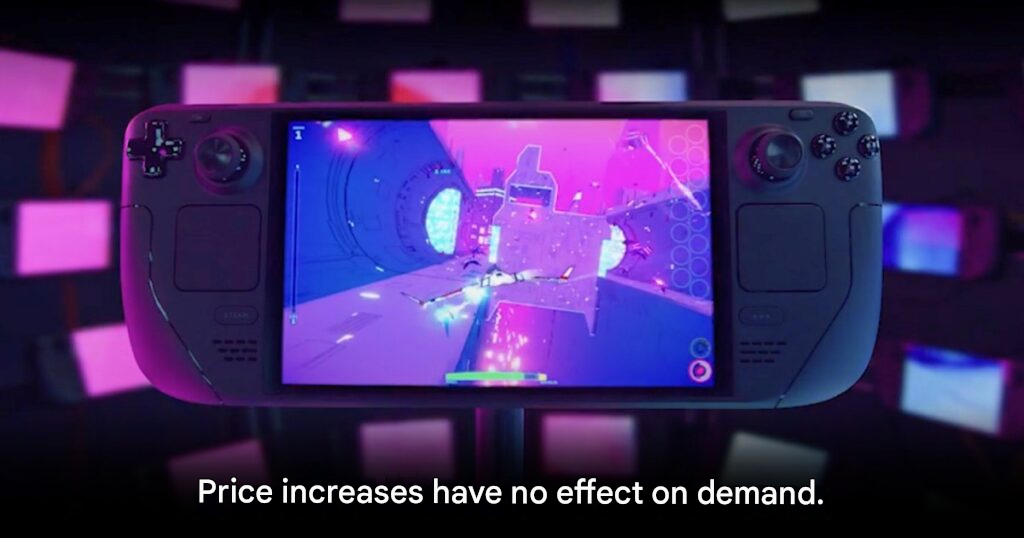
Steam Deck OLED has sold out in North America less than 24 hours after Valve reopened sales with a higher retail price.
According to the original report, the handheld gaming PC quickly became unavailable in the United States and Canada after the latest restock. Meanwhile, stock in other regions such as Europe, Australia, and parts of Asia through partners like Komodo remained available but limited.
The fast sellout shows that demand for Valve’s portable gaming device remains strong, even after a noticeable price increase.
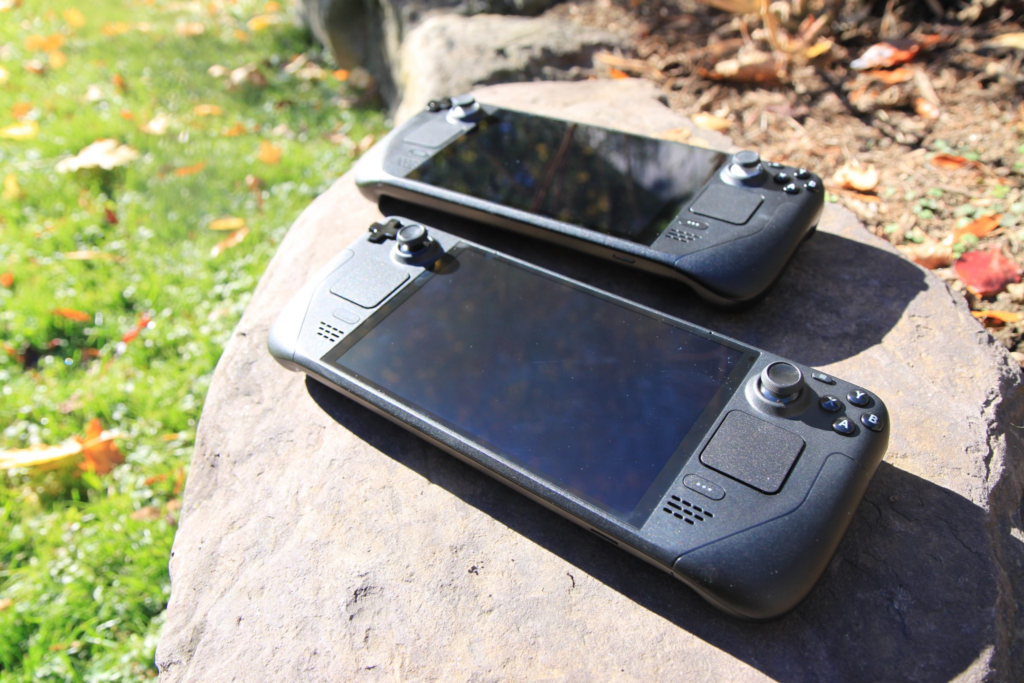
Steam Deck OLED sells out in North America
Valve recently reopened sales of Steam Deck OLED, but the new batch did not last long.
Within 24 hours, the device had already sold out across the United States and Canada. This happened even though the retail price was higher than before, showing that many players still see the device as one of the most attractive ways to enjoy PC gaming in handheld form.
The exact number of units sold remains unknown. However, the demand was strong enough to push Steam Deck back to the top of Steam’s best-selling product list.
That ranking measures total revenue across the previous 24 hours. Because Steam Deck OLED carries a much higher price than most games, it can climb the chart with fewer individual unit sales compared with a cheaper title.
Limited stock remains in other regions
While North America sold out quickly, other regions still had limited availability at the time of the original report.
Europe, Australia, and select Asian markets handled through Komodo still showed some stock. However, the article notes that supply was already limited, meaning interested buyers may need to act quickly or prepare for another waiting period.
Valve’s store page also warned that Steam Deck stock may become unavailable from time to time in some regions.
The company linked this to shortages involving memory and storage components. This warning reportedly appeared as early as February, and stock-tracking websites showed that purchase windows had only opened briefly during recent months.
Steam Machine preparation may affect supply
The shortage may continue for some time.
The original article suggests that Valve may be focusing more resources on preparing its upcoming Steam Machine project. If hardware shipping capacity from China is being divided between current Steam Deck supply and future hardware plans, Steam Deck restocks could remain inconsistent.
For players waiting to buy directly from Valve, this means patience may be necessary.
The situation also shows how difficult the handheld gaming PC market can be. Demand remains high, but production, component supply, and regional distribution can all affect how quickly players can actually get a unit.
Alternative SteamOS handheld options are growing
Players who do not want to wait for the next official Steam Deck restock may still have other options.
The original article notes that new and used Steam Deck units have started appearing on eBay, sometimes near or even below Valve’s listed price.
Another option is the Lenovo Legion Go S running SteamOS, which remains easier to find through general retailers. Even though its price has also increased compared with its launch period, it may be more accessible than waiting for Steam Deck restocks.
Hardware modders have also started finding success installing SteamOS on the ROG Xbox Ally, which normally runs Windows. This makes it another interesting option for players who want a SteamOS-style handheld experience.
The standard model is priced at around $600, while the higher-end ROG Ally X is priced around $1,000.
Steam Deck demand remains powerful
The quick sellout shows that Steam Deck OLED still has strong market pull.
Even with competition from newer handheld gaming PCs, Valve’s device remains attractive because of its direct connection to the Steam ecosystem, SteamOS experience, and portable PC gaming convenience.
However, limited supply may continue to frustrate players who want to buy through official channels.
Steam Deck OLED selling out so quickly proves that Valve still holds a powerful position in handheld PC gaming. The price increase did not stop demand, but the supply issue may push impatient players toward alternatives like Lenovo Legion Go S or ROG Ally devices. For SEA players, availability through regional partners will matter most. If stock remains limited, Valve may need a clearer restock strategy before competitors take advantage of the waiting list.
Origin: Arstechnica