SEGA Exec Reveals Painful Dreamcast Final Days
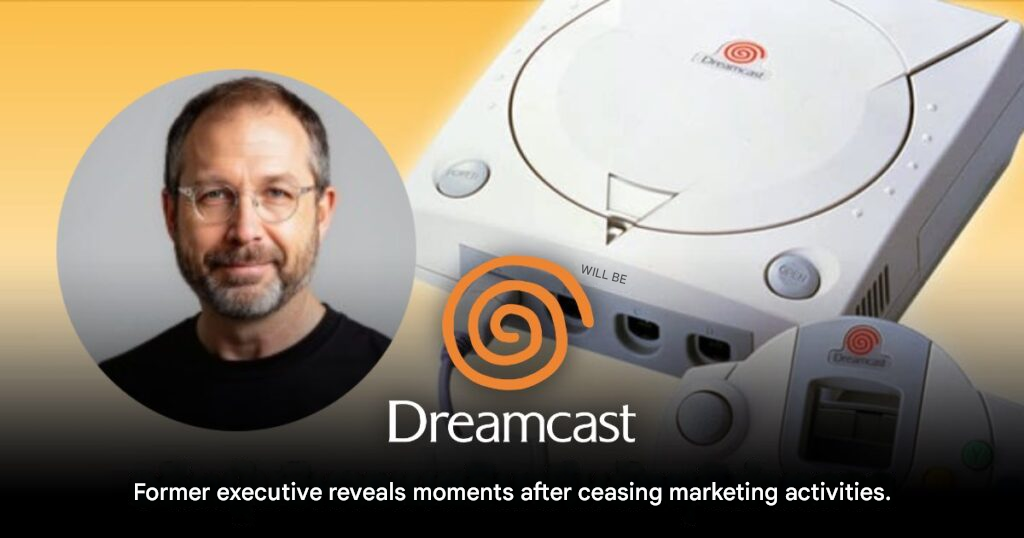
No matter how many times gamers talk about it, Dreamcast remains one of the most memorable consoles in gaming history.
The console helped open the door to a more modern era of gaming through online features, downloadable content, and early ideas that even touched on cross-platform play. At the same time, Dreamcast also became an important piece of gaming history for another reason: it was the final home console from SEGA.
Because of that, many fans still wonder what happened during the exact moment SEGA decided to end its support and move away from the console business.
Former SEGA executive looks back at Dreamcast’s final moments
In an interview with SEGA-16, former SEGA executive Mike Fischer shared more details about that difficult period.
During the final years before he left his role, Fischer was involved in the process of ending Dreamcast marketing. He also witnessed SEGA’s transition into a third-party developer, which became one of the most challenging changes in the company’s history.
That shift was not simple. SEGA had to build new relationships with companies that were once direct competitors, including Nintendo, Sony PlayStation, and later Microsoft Xbox.
For a company that had spent years fighting in the console market, becoming friendly with former rivals was not easy. These companies had competed aggressively, and the industry often saw them attacking each other through advertisements, marketing campaigns, and public rivalry.
Becoming third-party was the hardest part
The end of Dreamcast support did not only mean stopping one console. It meant changing SEGA’s entire identity.
SEGA had been a hardware company for years. Its consoles had carried some of the most beloved games in the industry. When the Dreamcast era ended, SEGA needed to survive by bringing its games to other platforms.
That meant the company had to approach former rivals not as enemies, but as partners.
Fischer explained that this was one of the most difficult parts of the transition. SEGA needed to create trust with platform holders that had once stood on the opposite side of the battlefield.
It was not only a business move. For many people inside SEGA and across the fanbase, it was also an emotional moment.
Sonic and Mario’s meeting became unforgettable
One of the most memorable moments happened during SEGA’s attempt to build a relationship with Nintendo.
Fischer said he brought the Sonic mascot to Nintendo’s building. When they reached the front door, the Mario mascot quickly came forward and hugged Sonic.
The moment was so emotional that Fischer said it brought tears to his eyes.
For long-time gamers, it is easy to understand why. Sonic and Mario were once symbols of one of gaming’s greatest rivalries. Seeing both mascots embrace marked a major change in the industry.
It represented the end of one era and the beginning of another.
SEGA games found new homes on Nintendo and Xbox
After SEGA became a third-party developer, its games began appearing on other consoles.
Nintendo platforms received major SEGA titles such as Sonic Adventure and Sonic Advance. Meanwhile, Xbox received games such as Jet Set Radio, Crazy Taxi, and Shenmue 2.
This helped SEGA continue reaching players even after leaving the hardware market.
For fans, it was strange at first to see SEGA games on platforms that had once competed against Dreamcast. However, that move also helped keep SEGA’s characters, worlds, and creative identity alive.
Without that transition, many beloved SEGA franchises may not have reached new generations of players.
Dreamcast remains a console ahead of its time
Dreamcast first launched in 1998.
The console came with a 32-bit 200MHz processor, 16MB RAM, and an additional 10MB across other system components. Its graphics hardware used PowerVR2 100MHz, giving it a major technical jump over the original PlayStation era.
One of Dreamcast’s biggest strengths was its built-in internet support. At the time, this made the console feel unusually forward-looking. It arrived before online console gaming became a standard part of the industry.
That is why many players still describe Dreamcast as a machine ahead of its time.
Even though it became SEGA’s final console, its influence remained important. Dreamcast helped show where gaming was heading, from online play to digital content and more connected console experiences.
THIS IS our take
Dreamcast still hurts to remember because it was not a bad console. In many ways, it was too early for the future it tried to build. SEGA’s move from hardware maker to third-party developer must have been painful, but it also allowed Sonic, Shenmue, Jet Set Radio, Crazy Taxi, and other SEGA names to survive beyond one machine. The image of Sonic and Mario embracing feels symbolic because it captures both loss and survival. Dreamcast ended SEGA’s console era, but it also helped SEGA begin a new life in gaming history.