Creators Protest AI Use At UK Games Expo 2026
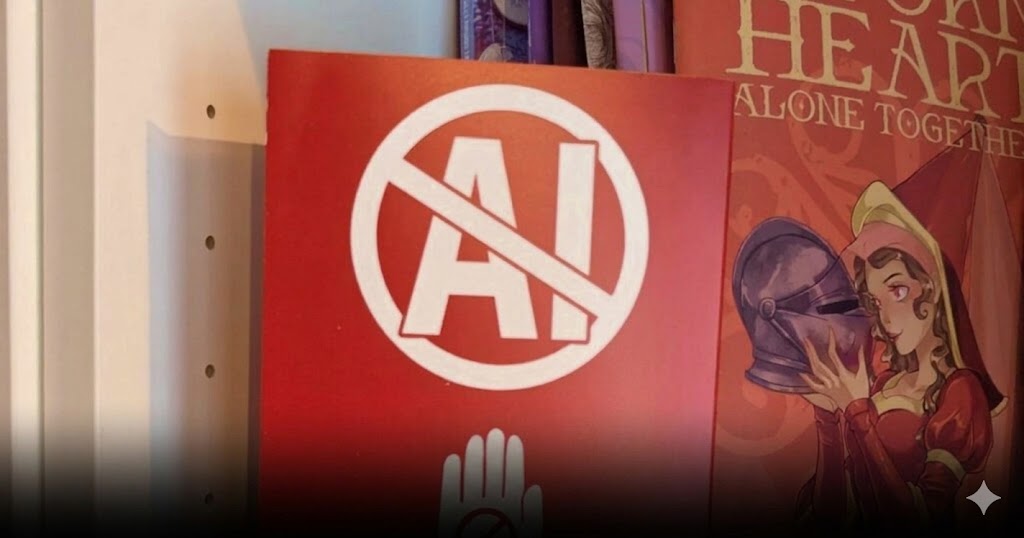
Creators Unite Against AI Use At UK Games Expo 2026
The atmosphere surrounding UK Games Expo 2026 has turned into a major discussion point for tabletop creators, artists, and board game fans.
Artists and creators in the tabletop scene are now calling for clearer policies regarding Generative AI after concerns continued to build from late 2025. The issue centers on the event’s lack of a firm stance against AI-generated products being sold or promoted inside the convention space.
For many creators, the concern is not only about technology. It is about protecting the value of human-made art, design, writing, and creativity in an industry that already depends heavily on passion and freelance labor.
Creators Want A Clear Policy On Generative AI
The main demand from creators is simple: they want UK Games Expo to set a clear and concrete policy on Generative AI.
At the moment, the concern is that the event has not established firm rules against selling or promoting AI-made products. This has left many artists and game designers disappointed, especially as other major conventions have already started taking clearer positions to protect human creative work.
For independent creators, tabletop games are not just products. They are the result of imagination, design, testing, illustration, writing, and long-term collaboration.
When AI-made content enters the same space without clear boundaries, many creators feel that human-made work is being forced to compete with cheaper, faster, and less accountable production methods.
The Backlash Has Been Building Since 2025
According to the source article, frustration around this issue has been growing since late 2025.
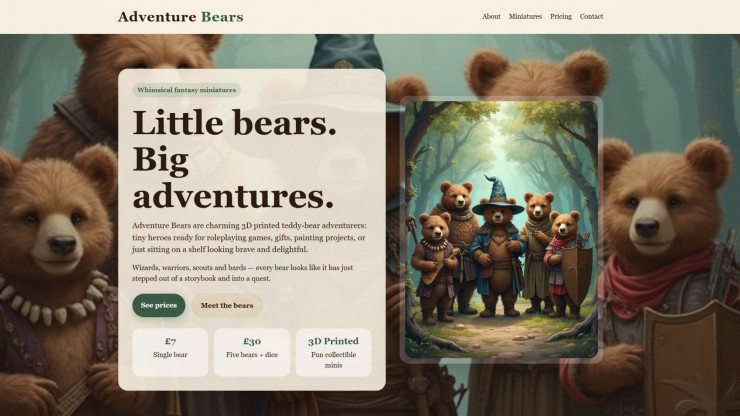
Creators have been watching how events respond to AI-generated work, especially as the technology becomes easier to use and harder to detect. The concern is that silence from major events can feel like permission for AI-heavy businesses to enter spaces traditionally built by human artists and designers.
This has made the issue more than just a debate about convenience.
For many people in the tabletop community, it has become a question of whether conventions will protect the creators who helped build the industry in the first place.
AI Is Seen As A Threat To Human Art Value
Many creators argue that AI-generated work weakens the value of art that should come from human dreams, imagination, and personal expression.
The concern is that Generative AI often relies on ideas, styles, and creative patterns taken from existing human work. Critics argue that it produces content without the same soul, intention, or lived creative process behind it.
For tabletop games, this concern hits especially hard.
Board games, role-playing games, card games, miniatures, and related products often rely on strong visual identity and artistic world-building. When creators spend months or years building a unique style, they do not want to see AI-generated products using similar aesthetics while avoiding the cost of hiring artists.
Freelance Artists Could Be Hit Harder
The article also highlights the financial pressure on freelance artists.
Many freelance artists in the tabletop space already work in an industry where compensation can be low compared with the amount of skill and time required. If more companies start using AI to cut costs, the situation could become even worse for human artists.
This is one of the biggest reasons why creators are asking conventions to act.
For them, the issue is not just whether AI art looks good or bad. It is about whether artists will continue to have meaningful work, fair opportunities, and respect within the tabletop game ecosystem.
Small Studios Face A New Burden
Another problem is the difficulty of identifying AI-generated work.
The source article notes that small studios may face extra pressure because they could be forced to spend time and money proving that their work is not AI-generated. This creates a difficult environment where trust begins to break down.
Instead of focusing on making games, creators may have to defend their process, clarify their art pipeline, or respond to public suspicion.
This can damage the atmosphere of the creative community. Artists may begin questioning whether the work of their peers came from real skill or AI assistance.
Fans Are Choosing Human-Made Work
The reaction is not limited to creators.
Many tabletop fans are also starting to show support for publishers and creators who prioritize human-made art. For these players, part of the appeal of tabletop games is knowing that real people built the worlds, characters, cards, boards, and rulebooks they enjoy.
Human-made work carries emotional value.
It shows the hand of the artist, the choices of the designer, and the personality of the team behind the game. That connection is one of the reasons tabletop communities can feel so personal and passionate.
If AI-made content becomes too common without transparency, some fans may feel that part of the hobby’s identity is being weakened.
The 2027 Event May Become A Turning Point
The bigger question now is what UK Games Expo will do next.
If the event continues to treat AI content as a grey area, the backlash could grow stronger in 2027. Creators may demand more transparency, clearer rules, or stronger protection for human-made work.
The issue is unlikely to disappear.
As Generative AI becomes more common, major events will face more pressure to decide where they stand. For tabletop conventions, that decision could shape how artists, designers, publishers, and fans view their role in the future of the hobby.
Human Creativity Remains The Heart Of Tabletop Games
For many board game and tabletop fans, the hobby is built on imagination.
Every illustration, character sheet, miniature design, card frame, world map, and rulebook carries the personality of real creators. That human touch is a major reason people connect with tabletop games.
The current backlash around UK Games Expo 2026 shows that many creators do not want this identity to be replaced by cost-cutting tools without accountability.
They want the industry to remain a space where real artists and designers can survive, grow, and be respected.
The debate around Generative AI at UK Games Expo 2026 reflects a bigger problem across creative industries. AI tools may be fast and convenient, but tabletop games are built on human imagination, artistic identity, and trust between creators and players. Clear policies can help protect artists, reduce confusion, and show fans which events truly value human-made work. If conventions stay silent, the tension between AI production and real creators will only become harder to ignore.
Origin: Wargamer