Apple Delays Siri AI In Europe Over Digital Markets Act Dispute
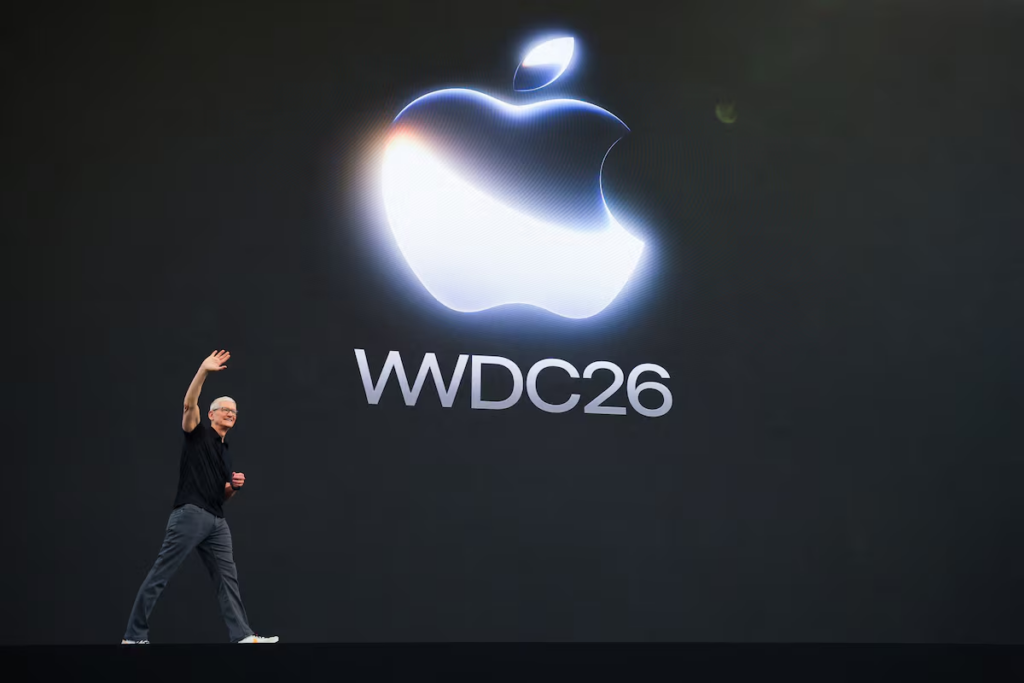
Apple users in Europe may need to wait longer before getting access to the new Siri AI features revealed at WWDC 2026.
According to the source article, Apple will not release the upgraded Siri AI on iPhone and iPad in European Union countries anytime soon. The company says the delay is connected to the Digital Markets Act, also known as DMA, which Apple believes could create risks around user safety and privacy.
The situation has now turned into another major clash between Apple and European regulators, especially as the tech industry moves deeper into the AI era.
Apple Says DMA Rules Create Safety And Privacy Concerns
Apple’s concern centers on how the Digital Markets Act handles platform openness and interoperability.
The company argues that the law may require deeper access to personal data and system-level functions so other services or assistants can work more closely with Apple’s platform.
For Apple, that creates a serious security problem.
Craig Federighi and Apple’s development team reportedly explained that the company has been trying to find a way to allow intelligent assistants from other companies to work with its system. However, Apple believes the level of access required under the DMA could be too risky.
The company is worried that sensitive user information could become more vulnerable to leaks, attacks, or misuse if access is opened too deeply.
EU Says The Delay Is Apple’s Own Decision
The European Commission pushed back against Apple’s position.
According to the source article, EU representatives said the delay was a choice made by Apple itself. The EU argued that the Digital Markets Act does not block companies from launching new products in Europe.
From the regulator’s side, Apple’s claim that it needs more clarity is being viewed as an excuse.
The EU believes Apple should build its system in a way that meets the agreed safety and competition standards instead of using delay tactics to avoid opening parts of its ecosystem.
This is where the disagreement becomes bigger than one AI feature.
Apple sees the issue as a privacy and security risk. European regulators see it as a competition and platform-access issue.
Apple Requested An 18-Month Extension
Behind the conflict is Apple’s request for more time.
The source article states that Apple asked for an 18-month extension on requirements related to interoperability with other platforms.
However, the European Union rejected the request.
Regulators reportedly viewed Apple’s request as an attempt to avoid opening its system, rather than a genuine technical need. For the EU, Apple should work toward compliance instead of delaying access to features or seeking special exceptions.
This rejection appears to have pushed Apple toward postponing Siri AI availability for iPhone and iPad users in Europe.
iPhone And iPad Users In Europe Are Affected
The biggest impact falls on iPhone and iPad users in the European Union.
These users will not get the new Siri AI features at the same time as other supported regions.
That could be frustrating for Apple fans in Europe, especially because AI features are now becoming one of the biggest selling points for new devices and operating system updates.
Siri AI is expected to be one of Apple’s major steps toward a smarter assistant experience. Delaying it in Europe could make users in the region feel left behind while other markets move forward.
Mac And Vision Pro Still Support The Feature
The source article notes that the situation does not affect every Apple platform in the same way.
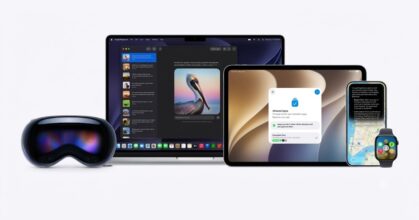
Mac and Vision Pro users can still access the feature normally.
That makes the delay more specific to iPhone and iPad, where DMA-related platform control and app ecosystem rules appear to be more sensitive.
Still, the situation shows how complicated AI rollouts can become when new software features collide with regional laws and platform regulations.
A Bigger Test For Big Tech And AI
This dispute is not only about Siri.
It also shows the bigger challenge facing major technology companies as AI becomes more deeply integrated into devices.
Companies like Apple want to build AI systems that feel personal, private, and closely connected to user data. However, regulators want to make sure that major platforms do not use closed ecosystems to limit competition.
Both goals are difficult to balance.
Users want smart AI features, but they also want privacy. Regulators want fair competition, but they also need to make sure rules do not create new safety risks.
The Apple and EU conflict shows how hard that balance can be.
Europe May Wait Longer For Apple’s AI Future
For now, European users are stuck in the middle.
Apple has not yet found a solution that satisfies both its own safety standards and the European Union’s DMA requirements. Until that happens, the new Siri AI experience on iPhone and iPad will remain delayed in the region.
The next question is whether Apple will adjust its software structure to meet EU expectations or continue holding back certain AI features from Europe.
Either way, the situation proves that even one of the world’s biggest technology brands cannot simply ignore strict regional laws.
Apple’s delay of Siri AI in Europe shows how complicated the AI race has become. Smarter assistants need deeper system access to feel useful, but that access also raises real questions about privacy, security, and competition. Apple wants to protect its closed ecosystem and user data, while the EU wants stronger interoperability under the Digital Markets Act. The unfortunate result is that regular users may become the ones waiting longer for features that are already becoming central to the future of smartphones.
Origin: Reuters