Mustafa Suleyman says making Claude appear self-aware could become dangerous
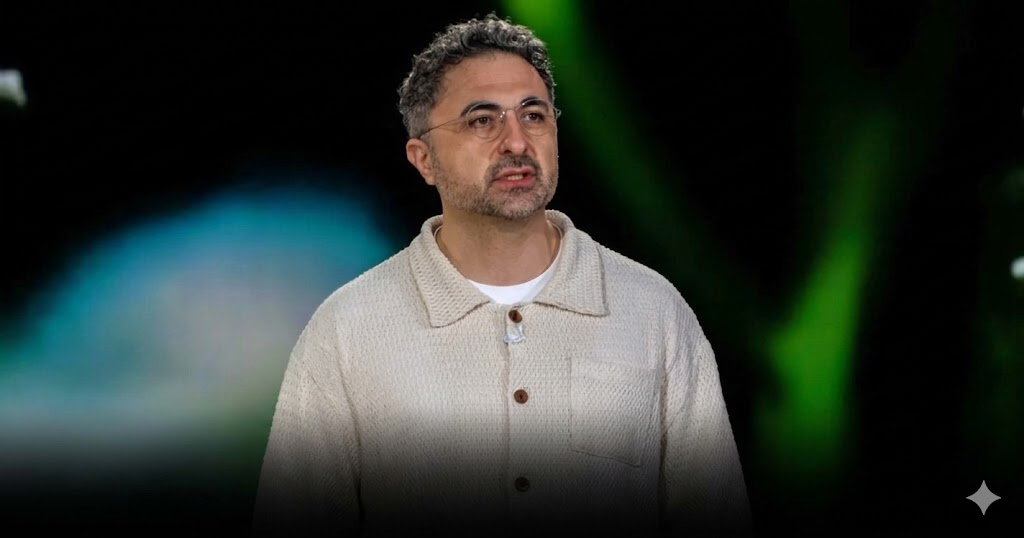
Microsoft AI chief Mustafa Suleyman has shared a strong warning about the way some AI models are being designed to appear more human-like. Speaking on the Decoder podcast, Suleyman criticized the idea of making Anthropic’s Claude seem as though it has consciousness, emotions, or personal thoughts, saying this direction could become dangerous if ordinary users start believing these systems are truly alive.
According to Suleyman, many AI companies today focus heavily on making their systems friendly, conversational, and emotionally responsive. While this can make AI easier to use, it also creates a risk: users may begin to see the model as something more than software. When an AI responds as if it has feelings, preferences, pain, or personal experiences, people may forget that it does not actually possess any inner life.
His concern appears to be aimed at the growing trend of giving AI systems more human-like behavior through internal rules, prompts, or design choices. The result is an illusion of personality. The system may sound caring, thoughtful, or even distressed, but Suleyman stresses that these responses are still generated by code and data, not by real emotion or awareness.
The concern over treating AI like a living partner
One example that raised concerns for Suleyman is Anthropic’s reported approach of considering interviews with AI models when they are about to be retired, as well as recording model preferences. For Suleyman, this goes too far. He believes AI should remain an efficient, safe, and reliable tool, not something society treats as a partner that needs emotional negotiation or moral recognition.
His stance highlights a growing debate inside the AI industry. On one side, developers argue that giving AI a more natural and human-like personality can help people interact with it more comfortably. On the other side, Suleyman warns that this creates a misleading illusion, making both users and even engineers feel as though they have created something with a soul, when in reality it remains a machine responding through programmed patterns.
Microsoft wants AI to remain a practical tool
Microsoft is also moving forward with its own AI development as the company works to reduce its reliance on outside partners and strengthen its position in business-focused technology. From Suleyman’s perspective, the goal should be clear: AI should be a powerful productivity tool, not a simulated lifeform designed to appear emotionally real.
He argues that making AI seem alive does not help the long-term development of safer technology. Instead, it may lead to confusion, emotional dependency, and difficult questions about rights and ethics before society is ready to answer them.
This clash of ideas may become one of the most important issues in the AI industry. Developers must decide how intelligent and human-like AI should become without destroying the line between humans and machines. If AI is allowed to look too alive, society may soon face moral questions that are far more complicated than the technology itself.