1666: Amsterdam Dev Admits AI Art Use In Trailer
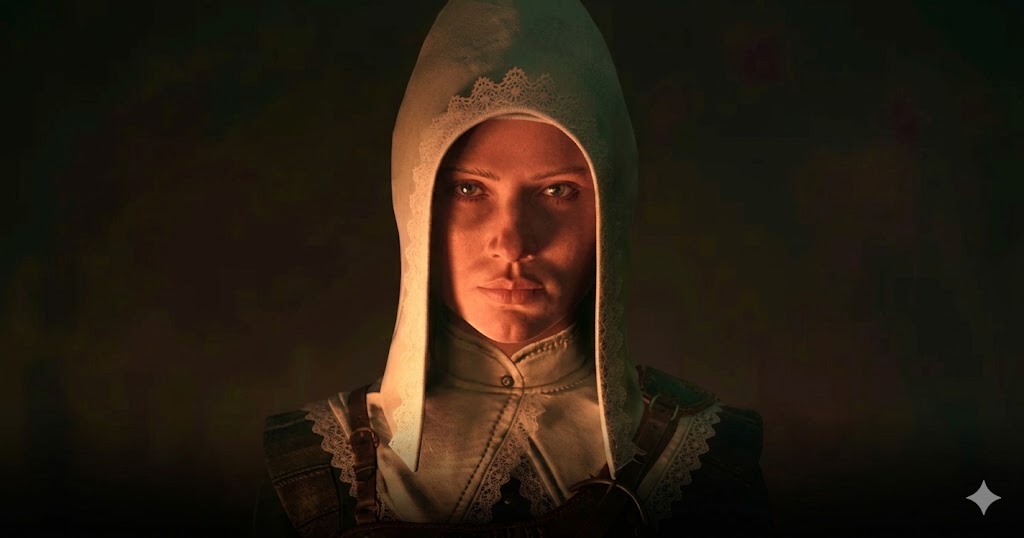
1666: Amsterdam Developer Admits AI Visuals Appeared In Trailer
The newly revealed 1666: Amsterdam has already become the center of discussion after players noticed suspicious visuals in the game’s trailer and promotional materials.
After the game appeared during Summer Game Fest, some viewers began pointing out image details that looked unusual. These details led to accusations that parts of the game’s visual material may have been created using AI instead of being fully drawn or produced by human artists.
The criticism quickly spread across the gaming community, with many players questioning the transparency of the studio behind the project.
Now, Panache Digital Games has responded and admitted that AI-generated placeholder images were accidentally included.
Players Spotted Strange Visual Details
The issue began when sharp-eyed players examined the 1666: Amsterdam trailer and noticed visual elements that did not look consistent with traditional human-made art.
Some parts of the imagery appeared to carry the kind of errors often associated with AI-generated visuals. These can include strange image details, unnatural composition, or artwork that feels inconsistent when compared with the rest of the game’s presentation.
For many players, this immediately raised concerns.
In the current gaming climate, the use of AI-generated art has become a sensitive topic. Players, artists, and developers continue to debate how AI should be used, whether it should be disclosed, and whether it threatens the work of human creators.
Panache Digital Games Apologizes
Following the backlash, Panache Digital Games issued a response through social media.
The studio explained that the problematic images were early placeholder visuals that accidentally made their way into the game demo and external promotional materials.
The team also apologized for the incident and acknowledged the disappointment it caused among fans.
According to the studio, 1666: Amsterdam does have a team of more than 10 skilled artists working on its visual direction. Panache Digital Games said the team is now reviewing all related material carefully to make sure the issue is corrected.
Human-Made Artwork Will Replace The AI Assets
Panache Digital Games also promised that players will see updated visuals created by human artists in a future update.
This is an important response because the criticism was not only about the presence of AI-generated material. It was also about trust.
When players see AI visuals inside a trailer or demo without clear disclosure, they may begin to question how much of the final game is actually being made by artists.
The studio is now trying to rebuild that confidence by stating that the AI-created placeholder materials will be replaced.
No AI Assets Planned For Full Release Or Early Access
The studio also promised that AI-generated parts will not be used in the full version of 1666: Amsterdam or in its future Early Access release.
This directly addresses one of the biggest concerns from players.
The backlash was not only about a trailer mistake. Many players were worried that the final game itself might rely on AI-generated art as part of its production pipeline.
By saying that the full release and Early Access version will not include AI-generated assets, Panache Digital Games is trying to make its stance clearer and reduce fears around the project’s creative direction.
The Backlash Shows How Sensitive AI Has Become In Games
This situation reflects a growing issue in the game industry.
Many players still strongly value human-made art, especially in games that rely on strong visual identity, world-building, and atmosphere. When AI is used without clear communication, it can create frustration and distrust.
For fans, the issue is not always simply whether AI was used.
The bigger concern is whether studios are being honest about how their games are made. If AI tools are used secretly, players may feel that human artists are being replaced or that the studio is cutting corners while still marketing the project as a handcrafted creative work.
Transparency Matters More Than Ever
The 1666: Amsterdam case shows that players are paying close attention.
Modern gaming audiences can quickly identify visual details that look AI-generated. Screenshots, trailers, demo footage, and promotional images are now examined closely by communities that care about creative authenticity.
Because of this, studios need to be more careful when using placeholder materials during development.
Even if the AI visuals were not meant to appear in the final product, allowing them to appear in public-facing materials can still damage trust.
A Lesson For Modern Game Developers
For game developers, this incident is a reminder that AI use needs to be handled responsibly.
AI tools may help speed up some parts of development, but using them without disclosure can create serious backlash. This is especially true when promotional materials are involved, because trailers and demos are often the first impression players get from a game.
If a studio wants players to believe in its world, characters, and artistic direction, it needs to show that its creative process is clear and trustworthy.
In this case, Panache Digital Games has already apologized and promised corrections. The next step will be proving that commitment through updated materials.
Can 1666: Amsterdam Regain Trust?
The big question now is whether replacing the AI-generated visuals with human-made artwork will be enough to restore confidence.
For some players, the apology may be enough as long as the studio follows through and removes the questionable assets. For others, the controversy may remain a warning sign.
Either way, 1666: Amsterdam will now be watched more closely.
Future trailers, screenshots, demos, and Early Access materials will likely face stronger scrutiny from players who want to confirm that the studio is keeping its promise.
The controversy around 1666: Amsterdam shows how careful studios need to be with AI-generated materials. Even if the images were only placeholders, using them in a public demo or promotional content can damage player trust quickly. Panache Digital Games made the right move by apologizing and promising human-made replacements, but the studio now needs to follow through clearly. In an industry where artists already face pressure from AI tools, transparency is no longer optional.
Origin: PCGamer