Apple Device Price Increase Hits Mac and iPad Fans Hard
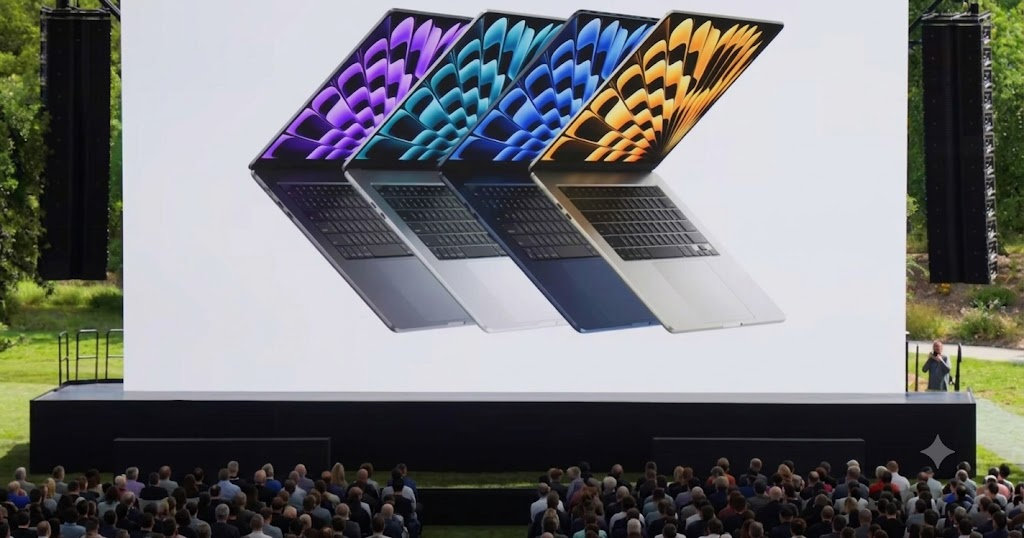
Apple device price increase news is here, and fans looking at a new Mac or iPad may need to prepare for a more painful checkout page.
According to the source, Apple has officially raised prices for several product lines, including Mac, iPad, HomePod, and Apple TV models. The change follows comments from Tim Cook about tight memory chip supply, which has become a growing pressure point for hardware makers.
For now, there is some relief. The source says iPhone, AirPods, and Apple Watch prices remain unchanged in this round.
Apple Device Price Increase Affects Mac and iPad Models
The Apple device price increase mainly affects computers, tablets, and some home entertainment devices.
On the Mac side, the source lists several affected models. MacBook Neo with 256GB storage has moved to 24,900 baht, while the 15-inch MacBook Air with M5 has reached 104,900 baht. The 14-inch MacBook Pro with M5 has also increased to 69,900 baht.
Other Mac products were also affected, including iMac with M4, different Mac mini models, and Mac Studio.
iPad, HomePod, and Apple TV Also See Higher Prices
The iPad lineup was not spared either.
The source states that the iPad with A16 now starts at 16,900 baht. Meanwhile, iPad Air with M4 in both 11-inch and 13-inch versions, iPad Pro with M5, and iPad mini with A17 Pro have also received price adjustments.
Apple’s home devices are affected as well. HomePod and Apple TV 4K have moved higher to reflect the rising cost of parts.
For users planning upgrades across the Apple ecosystem, this means the price pressure is no longer limited to one product category.
iPhone, AirPods, and Apple Watch Stay Safe for Now
There is one important bright spot.
The source says iPhone, AirPods, and Apple Watch are not affected by this price increase at the moment.
That does not guarantee prices will stay the same forever. However, for buyers focused on Apple’s phone, wearable, or audio products, this round of increases appears to focus elsewhere.
Still, the broader market remains unpredictable. If component prices keep rising, more product lines could face pressure later.
RAM and Storage Costs Are the Big Problem
The main reason behind the Apple device price increase is the rising cost of memory and storage components.
According to the source, global prices for memory chips and storage continue to climb because demand is outpacing supply. This puts pressure on brands that depend on these parts for laptops, tablets, and other devices.
The situation becomes even more intense because AI data centers are now competing heavily for the same kinds of components.
AI Demand Is Changing Consumer Tech Prices
The source points to AI growth as one of the major reasons behind the current supply pressure.
Many memory chip manufacturers are now prioritizing customers in the AI data center sector because demand from that market has surged. As a result, consumer tech brands must compete harder for available parts.
That creates a classic demand-versus-supply problem. When notebooks, tablets, servers, and AI systems all need the same component categories, prices can rise quickly.
For consumers, the final result is simple: devices become more expensive.
A Bigger Warning for Tech Buyers
The Apple device price increase is not just an Apple story. It reflects a wider hardware market problem.
If RAM and storage prices continue rising, other brands may also face the same pressure. That could affect future laptops, tablets, mini PCs, gaming devices, and smart home products.
For SEA buyers planning a major device upgrade, this may be a good reminder to compare prices carefully and avoid waiting too long if a purchase is already planned.
For more technology and gaming industry updates, visit This Is Game SEA.
THIS IS our take
Apple device price increase news shows how AI demand is no longer just a tech industry headline. It is starting to reach everyday buyers through higher prices on familiar devices. Apple may be the big name in this story, but the bigger issue is the same for everyone: when the world fights over the same chips, consumers usually pay the bill.