5 Things That Could Happen After Sony Stops Producing Physical Game Discs
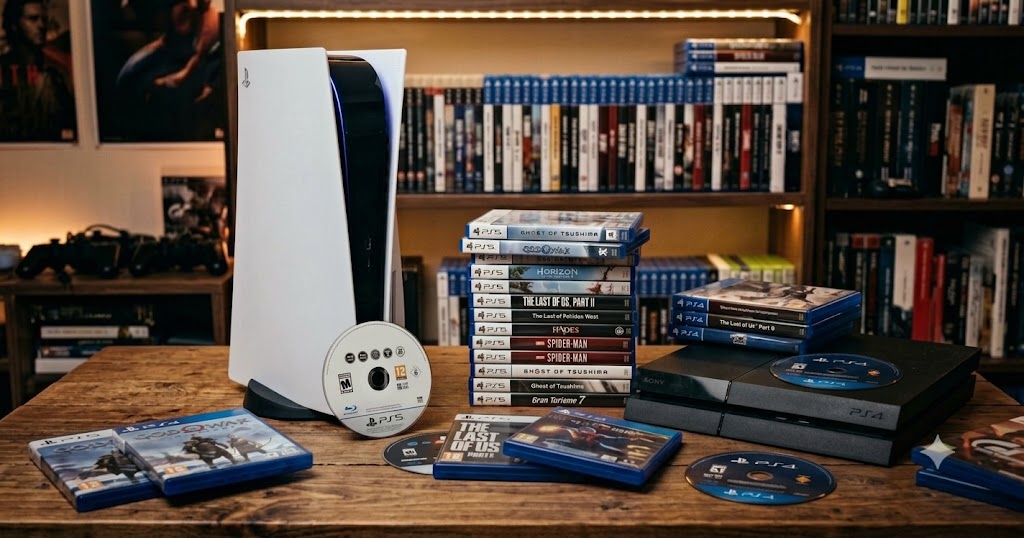
Hello, gamers. The gaming industry has been filled with discussion after Sony reportedly prepared to end production of physical game discs for PlayStation platforms, with the shift set to begin in January 2028.
While many players today already lean toward buying games through digital downloads because of convenience, the sudden move away from physical discs still feels like a major change. For players who love disc-based games, collectors, and those who enjoy having a physical copy in hand, this is more than just a simple format update.
A full move into the digital era could reshape the structure of console gaming for years to come. Here are 5 important things that may happen after Sony officially stops producing physical game discs.
1. The End of the Used Game Market and Game Sharing
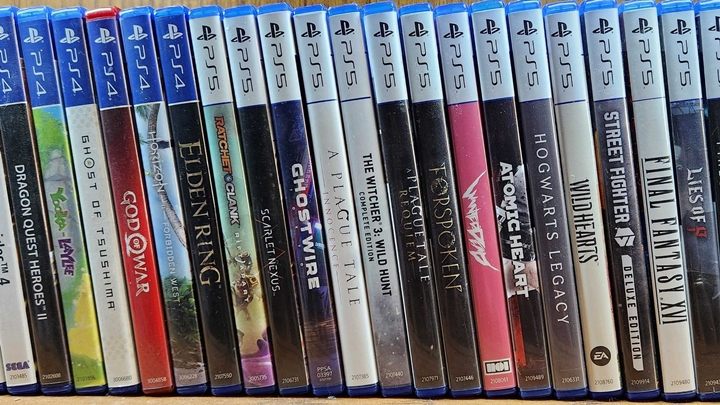
One of the biggest appeals of buying physical game discs has always been the ability to resell them after finishing a game.
Players could trade their old discs, sell them in the second-hand market, or use the money to buy new games. Physical copies also made it easy to lend games to friends and family.
If physical discs disappear, this culture of sharing and reselling could also disappear with them.
Digital games are tied to the buyer’s PlayStation Network account, meaning players cannot simply transfer ownership, lend the game physically, or resell it in the same way.
This would directly affect budget-conscious gamers who rely on second-hand games. It could also affect smaller game shops that depend on buying and selling used physical copies as part of their business.
2. PlayStation Game Pricing Could Become Fully Controlled by Sony
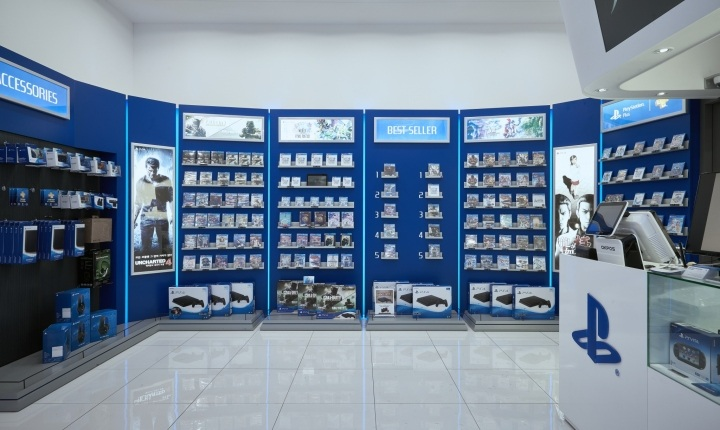
One of the biggest concerns in a fully digital future is pricing.
At the moment, physical retail competition can help players find games at lower prices. Stores may discount discs to clear stock, run promotions, or offer bundled deals, giving players more ways to buy games affordably.
If physical options disappear, pricing power could move more directly to Sony through the PlayStation Store.
That means players may have fewer choices and could be forced to rely on digital pricing, including full-priced games that may remain expensive for longer.
Discounts and promotions would depend more heavily on the platform owner’s decisions. For console players, this could become a difficult adjustment as physical market competition becomes less relevant.
3. Players May Feel Like They No Longer Truly Own Their Games
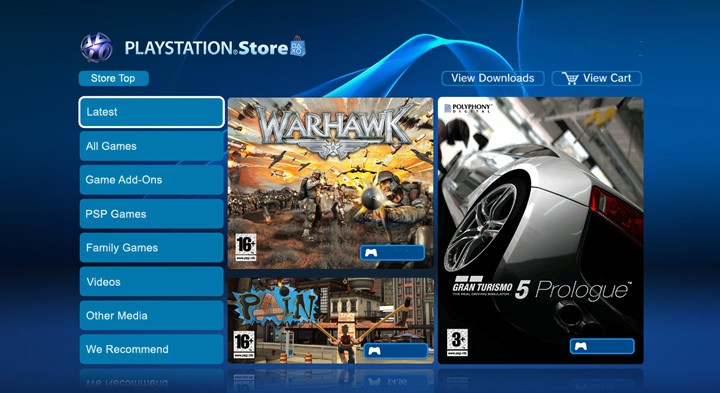
This issue hits especially hard for collectors and players who enjoy opening a game box, holding the disc, and keeping it on a shelf.
A full digital shift changes what “ownership” means.
When players buy a game from an online store, what they are really buying is a license to access that game. It is not the same as owning a physical copy that can be kept, displayed, lent, or resold.
If a game is removed from the store because of licensing issues, if servers or backend systems are shut down, or if a user account is suspended, players may lose access to games they paid for.
This creates a psychological concern for many gamers. The money spent on digital games may no longer feel like it guarantees long-term ownership in the same way physical media once did.
4. Retail Stores May Move Toward the “Code in a Box” Era
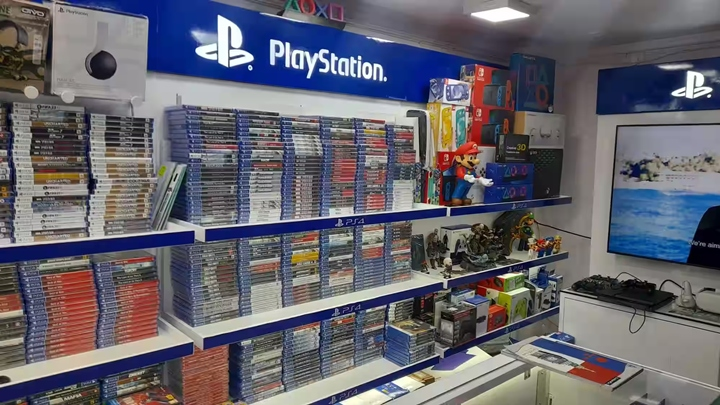
Retail stores and game shops would also need to adapt if discs are no longer shipped.
One possible survival route is the move toward Code in a Box products. These are physical boxes sold in stores, but instead of a disc inside, players receive a printed download code that can be redeemed on the console.
This approach would still allow shops to place products on shelves and give collectors something physical to display at home.
However, it is not the same experience as opening a sealed game case and seeing a disc inside.
For many physical game fans, receiving only a piece of paper with a code may feel empty compared to the traditional disc experience. Still, this could become one of the ways retailers adjust to the changing history of game distribution.
5. Next-Generation Consoles May No Longer Include Disc Drives
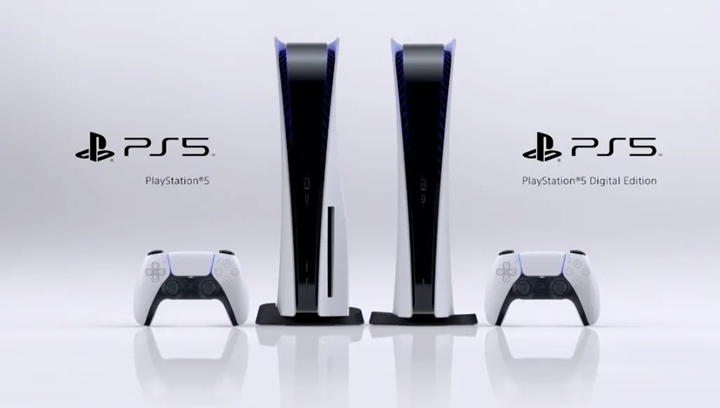
The final point reflects the possible future direction of console hardware.
If Sony stops producing physical game discs from 2028 onward, it could signal that future consoles, including the next PlayStation generation, may be designed as fully digital systems from the start.
That could mean no built-in disc drive as a standard feature.
If this model becomes reality, players who still own older physical game collections may need to buy a separate disc drive accessory, similar to the current approach seen with newer PlayStation hardware designs.
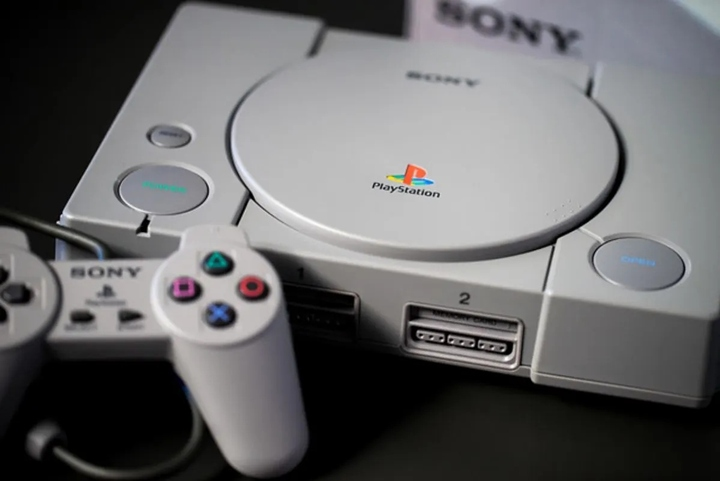
Others may simply have to say goodbye to their old physical libraries.
Removing disc drives could also reduce hardware production costs for manufacturers, while fully closing the chapter on physical game media as a mainstream console format.
A Major Turning Point for Console Gaming
Even if Sony’s move toward ending physical game disc production in 2028 feels painful for disc-based players and collectors, it also reflects where the wider technology and entertainment business has been moving.
This direction may not stop with PlayStation alone. It could become the first domino that pushes other console makers further toward a fully digital future.
For now, players can only prepare for the change, adjust their buying habits, and treasure the final years of the physical disc era while it is still here.
THIS IS our take
Sony moving away from physical game discs would not only change how players buy games, but also how they think about ownership, preservation, and long-term access. For SEA players, where second-hand markets, physical collectors, and local game shops still matter, the shift to digital-only gaming could feel convenient for some but restrictive for many others.