7 Things That Make Beautiful Games Less Fun

Even as game graphics have advanced to cinematic levels, stunning visuals don’t always guarantee a satisfying gameplay experience. Many games invest heavily in graphics yet stumble in key areas such as optimization, storytelling, or gameplay mechanics. Players often feel that a game’s visual appeal becomes a burden rather than a highlight. Here are seven reasons why “beautiful games” can unexpectedly become less enjoyable.
1. Poor Optimization Leads to Stuttering
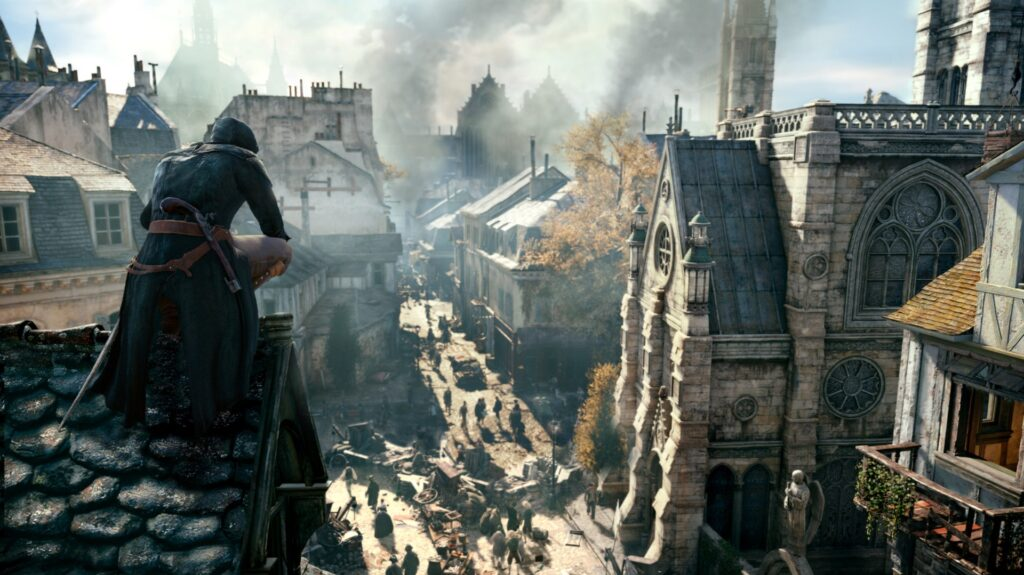
No matter how gorgeous a game looks, poor optimization can ruin everything instantly. Games with long load times, fluctuating frame rates, or intermittent stuttering immediately break player immersion. Action or shooting games are especially sensitive, as even a split-second lag can affect battle outcomes. High-end graphics that strain hardware can hinder smooth gameplay, turning a visual feast into a frustrating experience.
2. Weak Storytelling Undermines Visual Appeal
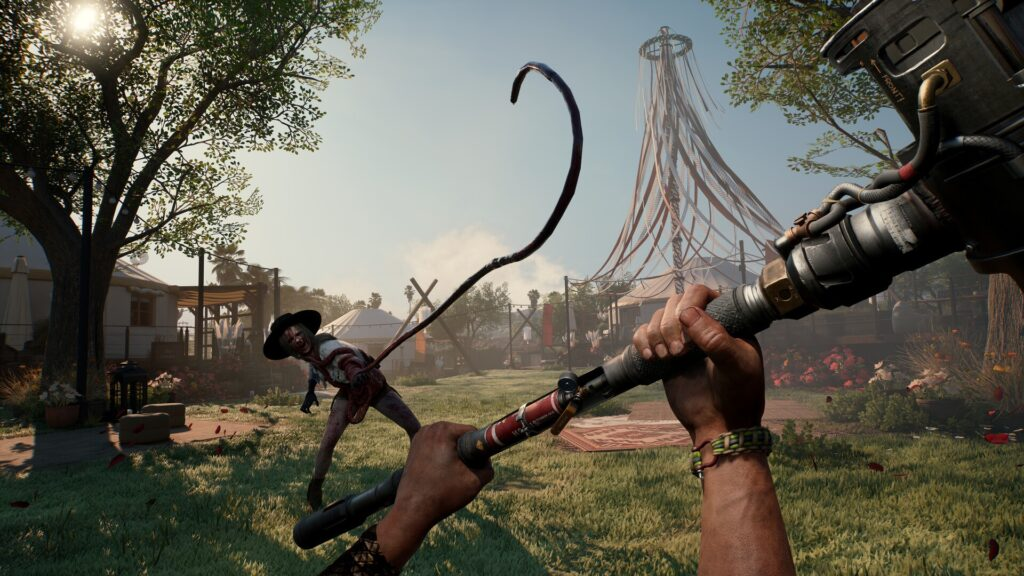
Games often dedicate immense resources to creating breathtaking worlds and detailed character models while neglecting narrative depth. Players may admire the visuals but feel disconnected due to bland or shallow storytelling. When graphics are top-notch but the story lacks substance, players’ expectations are unmet, leaving them disinterested despite the beautiful scenes.
3. Beautiful but Hollow Worlds
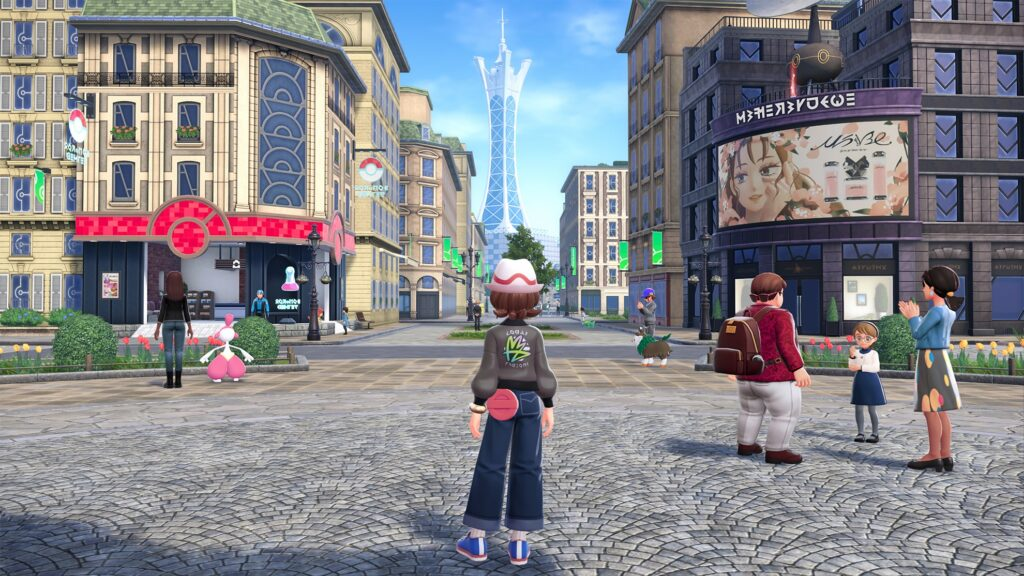
Some games feature massive, detailed environments that feel like moving art galleries. However, when players attempt to interact, they discover very little engagement is possible. Trees, buildings, and landmarks may populate the world, but they are mostly decorative. NPCs may be inactive, buildings inaccessible, and the environment empty, making the game visually stunning but ultimately lifeless.
4. Uninspiring or Repetitive Gameplay
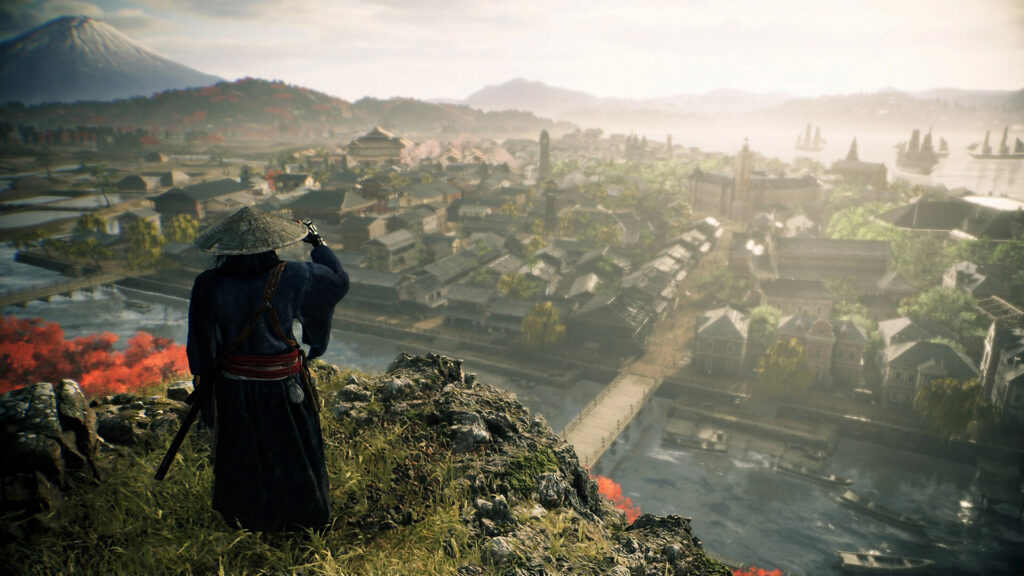
Even extraordinary visuals cannot compensate for dull or recycled gameplay. Many high-budget games stick to formulaic mechanics while focusing on graphics. Predictable combat, repetitive quests, and uninspired systems fail to offer memorable experiences. Without engaging gameplay to complement visuals, players quickly lose interest, and the stunning graphics alone cannot sustain attention.
5. Complexity Increases Bugs at Launch
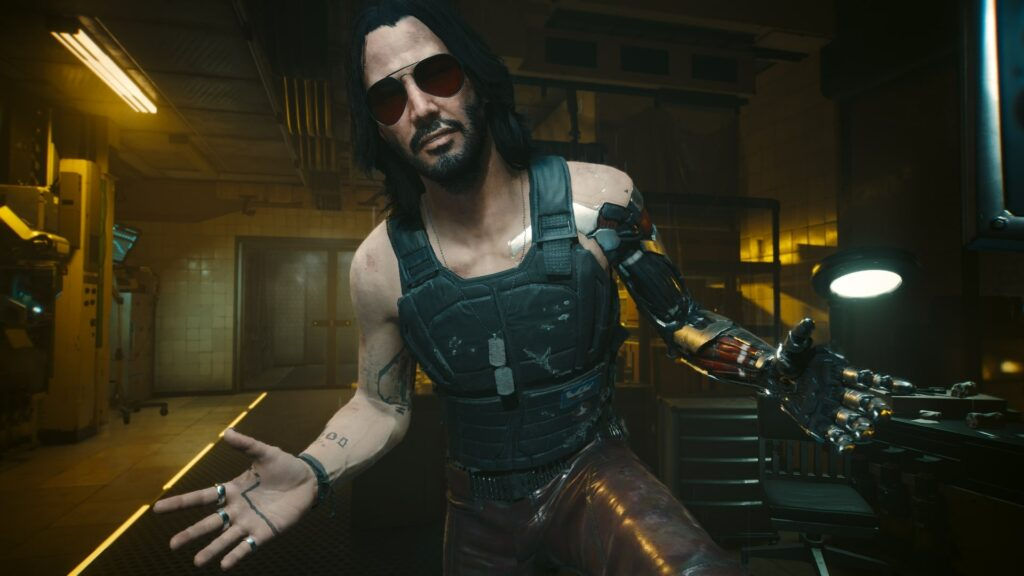
High-fidelity graphics often require complex internal systems such as physics, real-time lighting, and detailed models. The more complex the systems, the higher the likelihood of bugs at launch. Players may encounter clipping, broken animations, crashes, or freezes. Even if patched later, these initial issues can mar the opening experience, making players frustrated before the game fully begins.
6. Realism Brings Tedious Details

Games pushing for realism often include meticulous mechanics—movement inertia, complex physics, procedural item management, and full-frame animations. While visually impressive, these mechanics can slow down gameplay and feel cumbersome. Actions that should be quick become tedious, undermining the fluidity and enjoyment of the game.
7. Stunning Graphics Require High Specs

The more visually impressive a game, the higher the system requirements. Games designed to showcase cutting-edge hardware can exclude players with standard setups. Players may have to lower graphics settings, losing the “wow” factor entirely. Sometimes, even at minimum settings, performance may remain subpar. Stunning visuals can create a divide between players, limiting enjoyment and making the experience feel frustrating.
Conclusion
While graphics are a major draw, visual appeal alone cannot ensure fun. Gameplay, story, controls, and stability are equally important. Over-prioritizing visuals at the expense of these elements can turn a beautiful game into an experience that disappoints. The key takeaway: balance between visual beauty and gameplay is essential for a truly enjoyable gaming experience.
THIS IS OUR SAY:
Stunning graphics alone do not guarantee a fun gaming experience. The key lesson is that no matter how visually impressive a game is, if the gameplay, story, and controls are neglected, beauty can become a burden rather than a draw. Balancing aesthetics with engaging gameplay is the heart of a game that players will remember and want to keep playing.