Naughty Dog Canceled The Last of Us Online at Last Minute Former Director Says
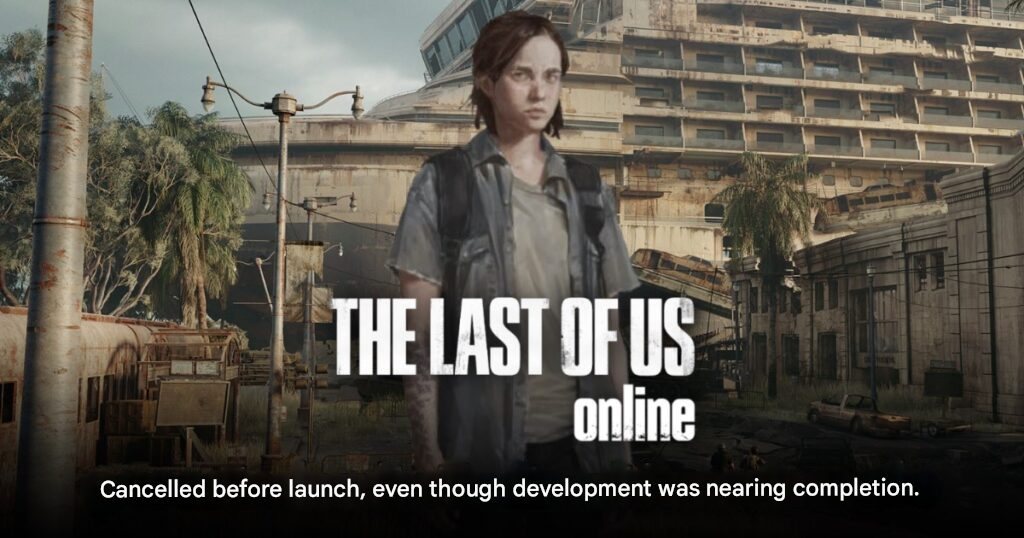
A former Naughty Dog developer has revealed shocking details about the cancellation of The Last of Us Online, stating that the game was nearly complete before being shut down.
According to Vinit Agarwal, who previously served as a director on the project, the game had reached around 80% completion and was reportedly canceled just one day before its planned launch after more than seven years of development.
A Sudden and Difficult Decision
The decision to cancel the project was not due to lack of progress, but rather a strategic shift within PlayStation Studios. At the time, the company had been exploring investments in live service games, but priorities later changed.
Agarwal explained that maintaining a live service title requires significant long-term resources. Supporting such a game would impact the development of other projects, forcing the company to reconsider its direction.
Shift Back to Single-Player Focus
After evaluating the situation, the studio chose to prioritize single-player experiences, which have long been its strength. This shift ultimately led to the cancellation of The Last of Us Online, despite the substantial progress already made.
Years of Work Lost
The project had been in development for over seven years, making the cancellation particularly difficult for the team. Agarwal admitted feeling disappointed, especially given how close the game was to completion.
A Larger Industry Trend
The situation reflects a broader trend within the gaming industry, where studios are reassessing the sustainability of live service games. While such titles can be highly profitable, they also demand ongoing support and resources.
What Could Have Been
The Last of Us Online was expected to feature a PvPvE gameplay system and a standalone story set within the same universe, offering a large-scale experience comparable to the mainline titles.
Although the project will never be released, its development highlights the challenges studios face when balancing innovation, resources, and long-term strategy.