The “Frustration Marketing” Secret: Why You Download Games You Hate
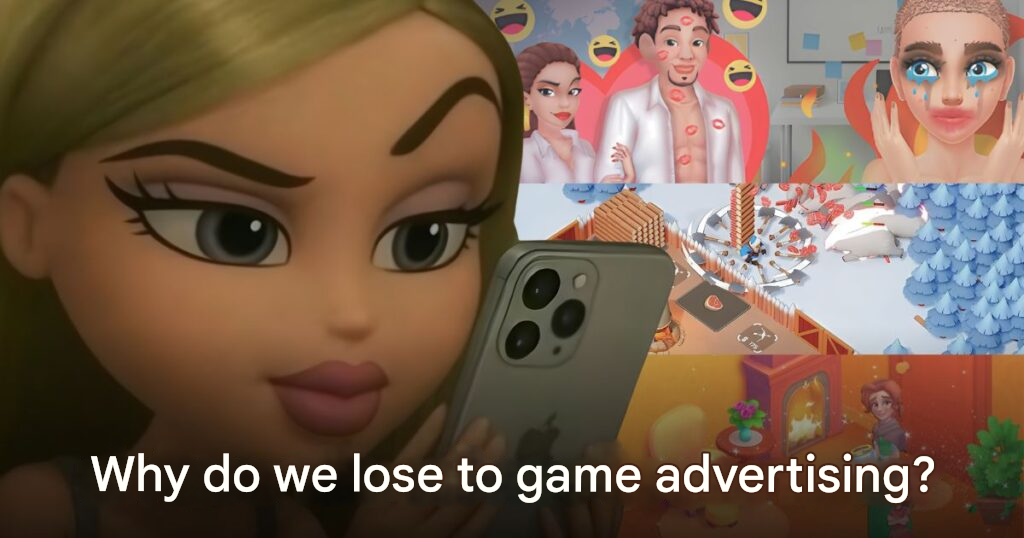
Why Do We Fall for “Bad Gameplay” Ads? Decoding the Psychology of Frustration
We have all been there. You are scrolling through social media when a mobile game ad pops up. It is usually a simple puzzle—pulling pins to save a hero or choosing a path to rescue a stranded family. But instead of playing well, the “player” in the ad makes a glaring, amateur mistake.
You find yourself shouting at the screen, “How could you miss that?” This feeling of intense annoyance is exactly what the marketers wanted. In fact, that frustration is a carefully engineered psychological trap designed to make you download the game.
The 8-Second Battle for Your Brain
In the early 2000s, the average human attention span was around 12 seconds. Today, research suggests it has dropped to just over 8 seconds—slightly less than that of a goldfish. In a world of infinite scrolling, a “normal” ad showing a game being played correctly is easy to ignore.
To survive in the competitive Free-to-Play market, developers must stop your thumb from scrolling instantly. “Frustration” is their most effective tool. By showing someone failing at a task a primary school student could solve, they create an immediate emotional hook.
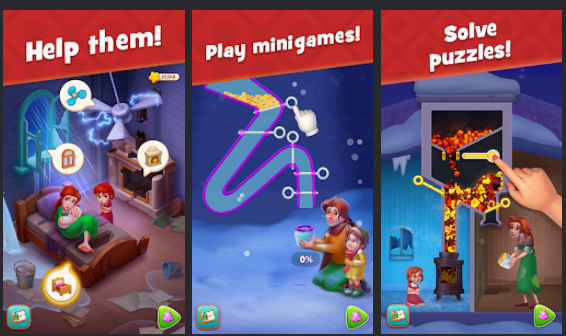
The Strategy of “Bad Gameplay”
When an ad deliberately shows someone choosing the wrong path, it triggers several psychological mechanisms:
- Cognitive Dissonance: You see a simple problem and a wrong solution. Your brain hates this inconsistency and feels a powerful urge to “fix” the mistake to restore mental order.
- Ego Activation: The ad doesn’t try to make the game look amazing. Instead, it tries to make you feel superior. The thought “I could do better than that” is a form of ego activation that motivates you to prove your skill.
- Negative Emotional Marketing: Most marketing focuses on happiness or excitement. However, negative emotions like frustration and irritation are equally powerful drivers for immediate action.

The Zeigarnik Effect: The Power of the Unfinished
Many of these ads cut off right before the “failure” is complete or leave a puzzle half-solved. This utilizes the Zeigarnik Effect, which states that humans remember and dwell on uncompleted tasks more than finished ones. Because the ad ends on a cliffhanger, your brain stays “stuck” on the problem.
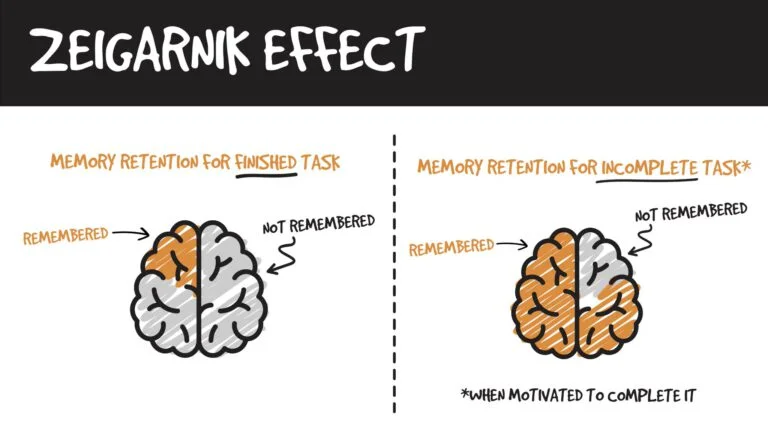
Downloading the game becomes the only way to close that mental loop and satisfy the urge to solve the puzzle correctly.
From Irritation to Dopamine
Once you click download and open the game, the developers complete the cycle. The first few levels are designed to be incredibly easy. When you solve them, your brain releases dopamine. This confirms your initial thought: “I really am smarter than that ad.” While the ad was annoying, the initial gameplay provides a sense of validation. This emotional journey—from the low of frustration to the high of a quick win—is far more effective at hooking a player than a minute-long explanation of game mechanics.
Conclusion
Mobile game ads aren’t just selling a game; they are selling an emotional experience. They play with your ego, your attention span, and your need for order. Next time you see a “fail” ad, remember: the bot isn’t playing badly because it’s broken—it’s playing badly because it wants you to prove you’re better.
Origin