The Legend of Zelda 40th Anniversary: Will We See a New Remake?

The Legend of Zelda 40th Anniversary: From a Yellow Disk to a Global Gaming Legend
Few video game franchises can claim the same cultural and creative impact as The Legend of Zelda. On February 21, 2026, the iconic series officially reached its 40th anniversary, marking four decades of adventure, exploration, and innovation that helped define the action-adventure genre itself.
While gaming technology has evolved dramatically over the years, Zelda’s core philosophy has remained remarkably consistent. At its heart, the series has always encouraged curiosity, rewarded experimentation, and trusted players to find their own path.
The Yellow Disk That Changed Everything
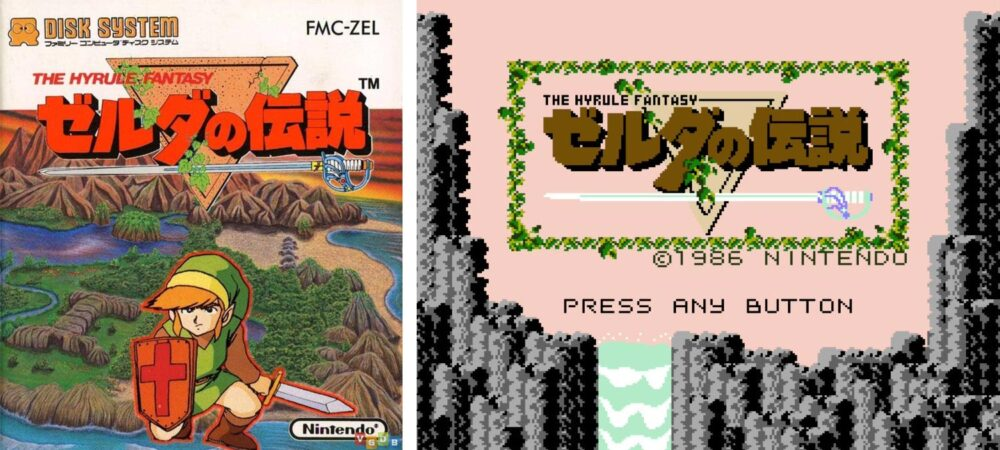
The journey began on February 21, 1986, when the first The Legend of Zelda launched on the Famicom Disk System in Japan. Unlike most games of its era, it shipped on a bright yellow disk that allowed for larger storage and save functionality. More importantly, it introduced something radical for the time: freedom.
Players were dropped into the land of Hyrule with minimal guidance. Instead of linear stages, the game offered a vast world filled with secrets, dungeons, and hidden items. As a result, exploration became the experience itself. This design philosophy would later influence countless open-world and adventure games across the industry.
From Pixels to Open Air Worlds
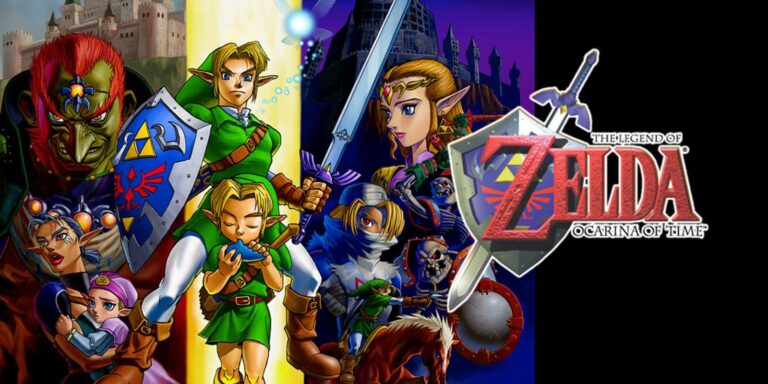
Over the next four decades, Zelda continuously reinvented itself while preserving its identity. Titles like A Link to the Past refined dungeon design and storytelling in the 16-bit era. Later, Ocarina of Time redefined 3D action-adventure gameplay and became a benchmark for game design excellence.
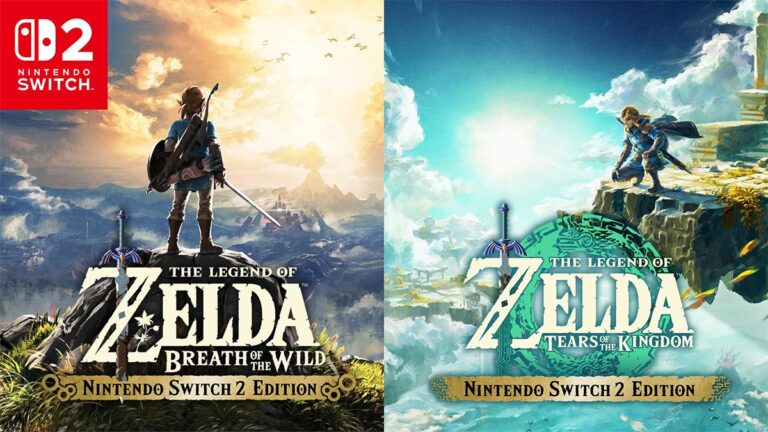
In more recent years, Breath of the Wild and Tears of the Kingdom introduced the “open air” concept, giving players unprecedented freedom to approach objectives in creative ways. Rather than telling players how to solve problems, these games empowered them to experiment, fail, and discover solutions organically.
Because of this approach, Zelda remains relevant even as player expectations and technology continue to change.
Why Zelda Still Matters After 40 Years
What sets The Legend of Zelda apart is not graphical fidelity or technical spectacle alone. Instead, it is Nintendo’s commitment to meaningful interaction. Every puzzle, tool, and environment exists to spark curiosity rather than simply guide players forward.
Moreover, the series has consistently trusted its audience. It rarely overwhelms players with tutorials or excessive dialogue. Instead, it allows the world to teach through discovery. This design philosophy feels even more refreshing today, especially in an era dominated by live-service models and constant monetization.
Looking Ahead on Nintendo Switch and Beyond
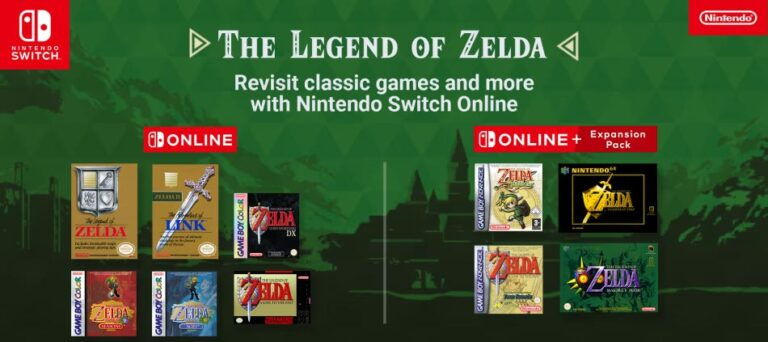
Today, much of Zelda’s legacy remains accessible through modern platforms like Nintendo Switch, where players can revisit classic entries via Nintendo Switch Online or experience modern masterpieces firsthand. With the next generation of Nintendo hardware on the horizon, expectations are understandably high for what the future holds for Link and Hyrule.
Still, regardless of hardware advances, the true strength of Zelda lies in its timeless design values. Exploration, mystery, and player-driven discovery continue to resonate across generations.
A Legacy That Refuses to Fade
Forty years is an eternity in the video game industry. Yet, The Legend of Zelda feels as vital today as it did in 1986. Its influence can be seen across genres, platforms, and generations of developers inspired by its bold ideas.
Ultimately, Zelda’s enduring success proves one thing clearly: great game design never goes out of style.