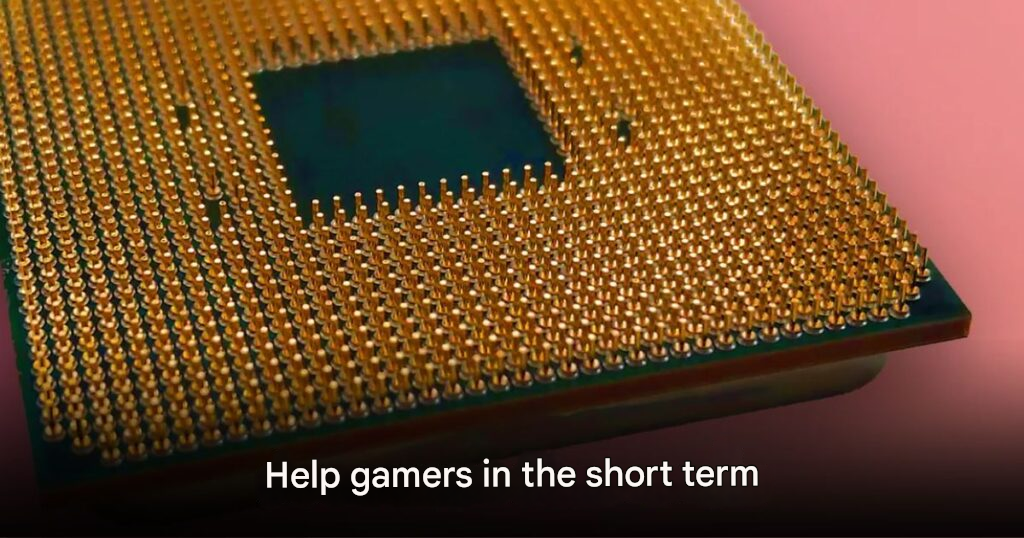
Building or upgrading a PC in 2026 has become increasingly stressful as the global memory price crisis shows no signs of slowing down. DDR5 RAM prices in particular have surged dramatically, jumping from under 100 USD to around 440 USD, or roughly 14,800 USD equivalent, with analysts warning prices could soon exceed 500 USD. This sharp increase has pushed AMD to explore an unexpected solution by potentially reviving older CPUs designed for the AM4 platform.
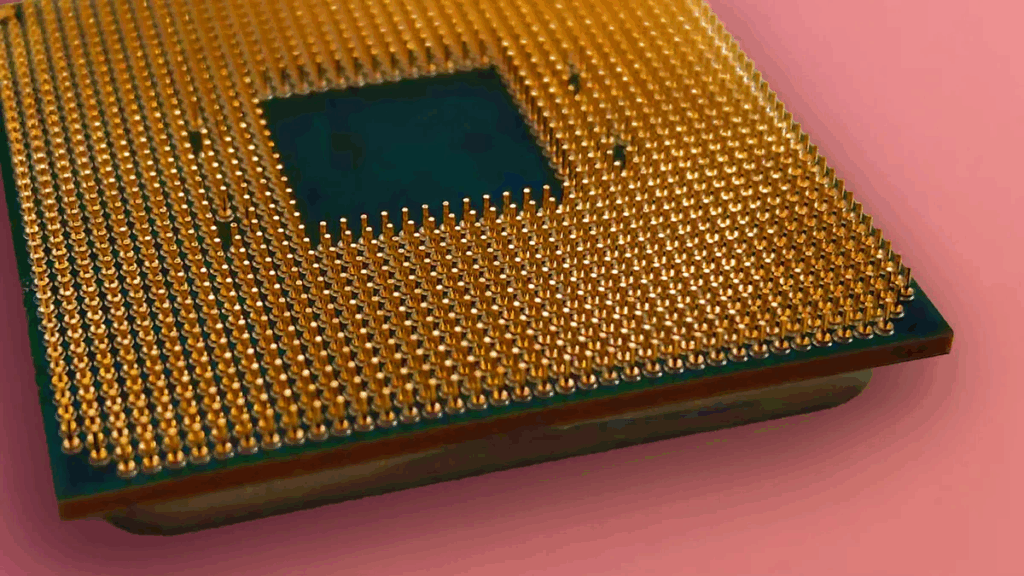
At CES 2026, David McAfee, Head of Ryzen at AMD, confirmed that the company is actively evaluating ways to reintroduce legacy products into its ecosystem. The goal is to support gamers and PC users who want to upgrade performance without replacing their entire system. By bringing AM4 CPUs back into production, users can continue to rely on DDR4 memory, which remains significantly more affordable.
This move is notable in an industry usually focused on pushing new platforms. However, with AM5 motherboards and DDR5 memory driving total system costs far higher, sales of newer platforms have reportedly dropped by more than 50 percent. In contrast, proven architectures such as Zen 3 and the Ryzen 5000 series still deliver strong gaming performance, making them a practical alternative during a period of inflated component prices.
The price gap between memory generations highlights the issue clearly. A 32 GB DDR4 kit currently costs around 179 USD, which is still far cheaper than comparable DDR5 options. CPUs like the Ryzen 7 5700X3D and other AM4 models could once again become attractive choices for budget conscious gamers who want solid performance without excessive spending.
The trend is not limited to CPUs alone. Competitors are also rumored to be taking similar steps, with Nvidia reportedly considering a return of the popular RTX 3060 in early 2026. Rising VRAM costs have made newer GPUs expensive to produce, and older but capable hardware may help fill the entry level market gap. If both rumors prove true, gamers could soon see a resurgence of last generation components offering strong value.
Retailers have already observed changing consumer behavior, noting a spike in standalone CPU upgrades rather than full system replacements. AMD’s continued support for the nearly decade old AM4 platform appears to be a strategic move to maintain customer trust while keeping the DIY PC market alive during challenging economic conditions.
Ultimately, 2026 may be remembered less for cutting edge breakthroughs and more for accessibility. For gamers across the SEA Region considering an upgrade, AMD’s potential AM4 revival could mean saving a significant amount of money while still enjoying modern gaming performance.
Source: PCGamer