New GOG Owner Shifts Focus Toward Linux, Hints at Support for Alternative Operating Systems
The PC gaming community has taken notice after Michał Kiciński, co-founder of CD Projekt Red and the new owner of the digital game storefront GOG, spoke out critically about the Windows operating system. His comments have sparked discussion across the industry, especially as he begins to take a more hands-on role in steering GOG’s long-term direction.
Kiciński expressed surprise that Windows, which he described as deeply flawed software, has managed to dominate the market for so many years. His remarks came after he stepped away from other responsibilities to focus fully on GOG, where he has observed a growing number of users actively searching for alternatives to Microsoft’s ecosystem.
Personal Shift Away From Windows
In an interview with overseas media, Kiciński revealed that he has completely stopped using Windows and now relies on macOS for his daily work. He explained that ongoing frustrations with recurring software issues led to his decision, noting that the only time he interacts with Windows now is when helping his parents fix their computers. According to him, that experience remains surprisingly unpleasant.
This sentiment reflects a broader frustration among PC gamers, many of whom have voiced dissatisfaction with forced features such as AI tools like Copilot, along with persistent attempts to push additional services that users did not ask for.
GOG Eyes Linux More Seriously
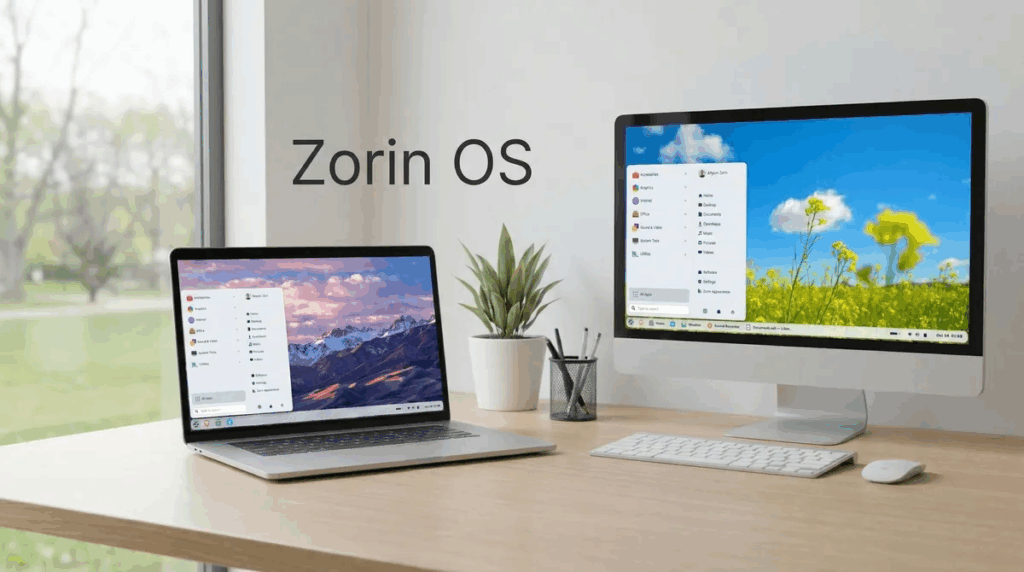
Maciej Gołębiewski, Managing Director at GOG, reinforced this direction by stating that the company is paying closer attention to Linux as a platform. While there has been no formal announcement or firm commitment yet, the strong criticism of Windows from GOG’s leadership suggests a clear shift in mindset. GOG appears increasingly interested in expanding support for alternative operating systems to reach new audiences and remain competitive.
For many observers, this signals a potential strategic move toward platforms that align more closely with GOG’s core philosophy of DRM-free gaming and user freedom.
Industry Context and Business Implications
Discontent with Windows has been steadily increasing within the PC and laptop gaming space, particularly as AI-related technologies become more deeply integrated into the operating system. Some users view these changes as intrusive, further fueling interest in Linux and other alternatives.
From a business perspective, expanding backend systems to properly support additional operating systems can require significant upfront investment. Building or hiring a dedicated development team could cost upwards of 500,000 USD. However, the potential reward lies in attracting the Linux gaming community, which is known for its strong loyalty and preference for open, unrestricted platforms. This aligns closely with GOG’s long-standing commitment to selling games without DRM restrictions.
A Possible Turning Point for PC Gaming
In the near future, GOG may officially announce Linux support as part of its broader platform strategy. Such a move would give PC gamers more freedom of choice and reduce reliance on operating systems that bundle unwanted features or services.
Kiciński’s blunt remarks are more than personal frustration. They serve as a signal that the PC gaming landscape may be entering a new phase, one where Windows is no longer the default or only answer for players seeking a flexible and user-focused gaming experience.
Origin: Windowscentral