Sony Ends Its TV Manufacturing Era With TCL Joint Venture Under Bravia Brand
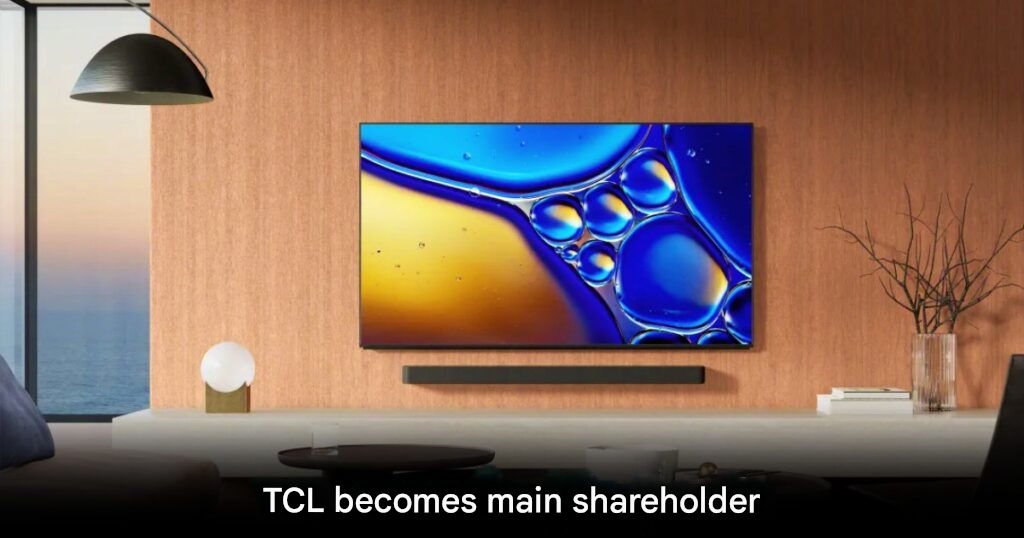
Sony has officially announced a major strategic move on January 20, 2026, confirming plans to spin off its home entertainment television business into a new joint venture with Chinese electronics giant TCL. Under the initial agreement, TCL will hold a 51 percent controlling stake, while Sony will retain the remaining 49 percent, marking one of the most significant structural changes in Sony’s history since the Trinitron era.
This decision reflects Sony’s effort to sustain its television brand amid increasingly intense competition and shrinking profit margins in the global TV market, especially from Korean and Chinese manufacturers.
Bravia Brand Lives On Under New Management
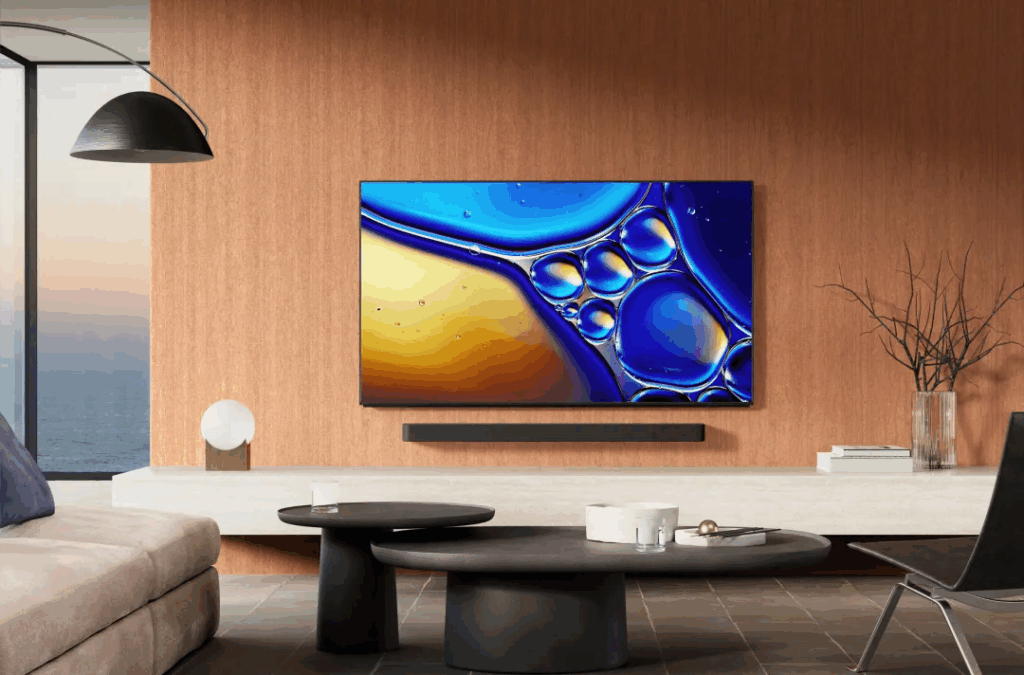
Despite the shift in ownership structure, future television products will continue to carry the Sony and Bravia branding, names that have long been associated with premium image and sound quality worldwide. However, almost all operational responsibilities will move to the new joint venture.
This includes research and development, product design, manufacturing, sales, and logistics, all of which will be primarily managed by TCL. The goal is to combine TCL’s large scale and cost-efficient production capabilities with Sony’s proprietary image and audio processing technologies, creating more competitive products in a challenging market.
Executive Perspectives From Both Companies
Kimio Maki, President and CEO of Sony Corporation, stated that this collaboration is designed to deliver new value to customers by pairing Sony’s strengths in visual and audio technology with TCL’s advanced display technology and global manufacturing scale.
On the other side, DU Juan, President of TCL Electronics, described the partnership as a major opportunity to elevate TCL’s premium positioning while instantly accessing Sony’s established global customer base through its strong distribution network.
Part of Sony’s Long Term Strategy Shift
This move aligns closely with Sony’s broader long term strategy of prioritizing intellectual property and entertainment content over traditional hardware manufacturing. Key focus areas include PlayStation, animation, music, and film.
Sony has successfully executed a similar transition in the past by separating its VAIO notebook business. The decision also helps reduce exposure to declining TV sales, which reportedly dropped by 9.6 percent in the previous fiscal year, generating approximately 564 billion yen in revenue.
What Comes Next for Bravia TVs
If regulatory approvals and final contract negotiations are completed by March 2026, the new joint venture is expected to begin operations in April 2027. This timeline suggests that consumers may start seeing Bravia televisions that offer more competitive pricing while retaining Sony’s signature image processing performance by late 2027, or possibly as early as CES 2028.
As the industry watches closely, one key question remains: can Bravia maintain its premium identity under a TCL led structure, or will the brand’s image gradually shift in a highly cost driven market.