[Review] Code Vein II Review: The Dark Fantasy King Returns With Time Travel Ambition
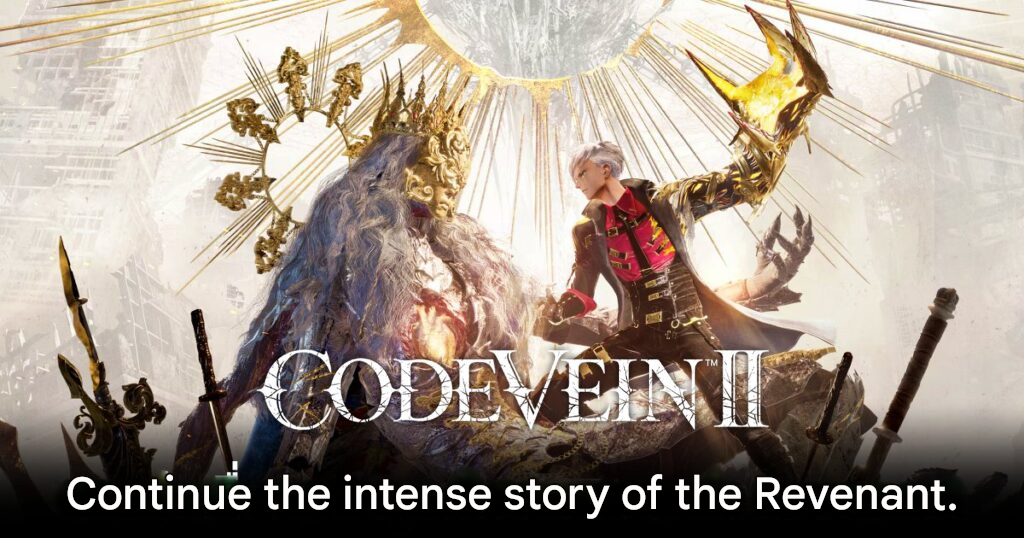
When dark fantasy meets time travel ambition
It must be said honestly. The moment Code Vein II was revealed during its announcement event last year, one big question immediately came to mind: how far could Bandai Namco really push this sequel?
While the first Code Vein built a loyal fanbase through its deep character creation system and post-apocalyptic vampire theme, it also had clear weaknesses. Level design could feel confusing, and combat sometimes lacked fluidity. However, after spending extensive time with Code Vein II, it is safe to say this is not a sequel made to rely on past success. It is a carefully rebuilt experience that improves nearly every aspect of the original and reshapes the identity of the series.
This is a deep-dive review you should read before deciding to purchase the game on January 29.
Storytelling That Goes Big: Betting on Time Itself
If the first game focused on recovering lost memories, Code Vein II raises the stakes by challenging the past and future themselves.
The story begins in the present era, where Revenants face a terrifying new threat known as Luna Rapacis. This mysterious force transforms Revenants into uncontrollable monsters called Horrors, far more dangerous than The Lost from the first game. Playing as a Revenant Hunter, the protagonist teams up with a mysterious girl named Lou, who possesses the power to manipulate time.

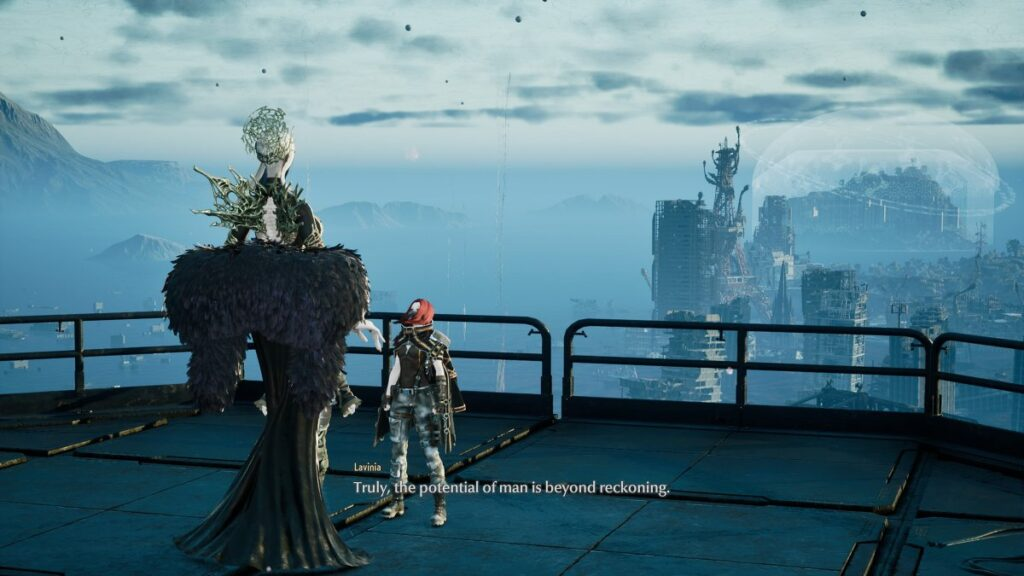
Together, they travel 100 years into the past to an era known as the Golden Age of Revenants in an attempt to change history itself.
What truly stands out is how intelligently the developers use time travel to deepen emotional impact. Instead of simply encountering bosses as enemies, the game allows players to meet them in the past when they were still heroes or ordinary people. You fight alongside them, learn their dreams and pain, and form emotional bonds. Returning to the present to confront and kill them as monsters becomes a devastating experience, creating a level of emotional weight that far surpasses the first game.
Lou: More Than a Partner, She Is the Key
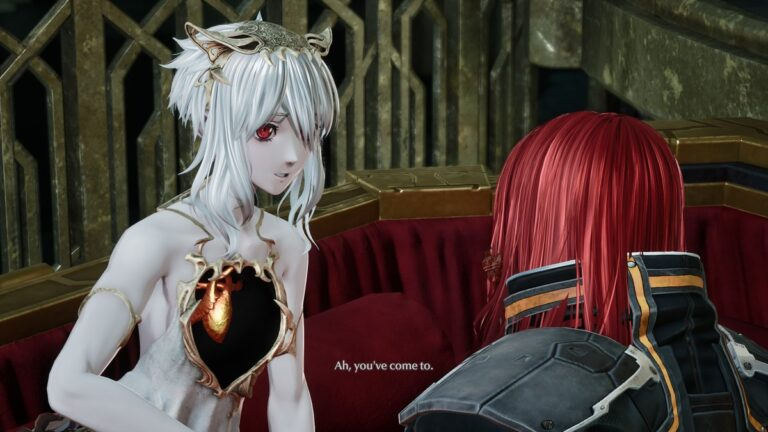
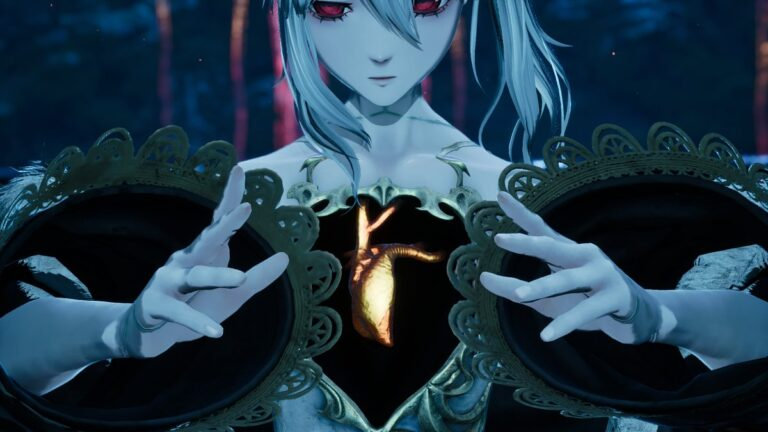
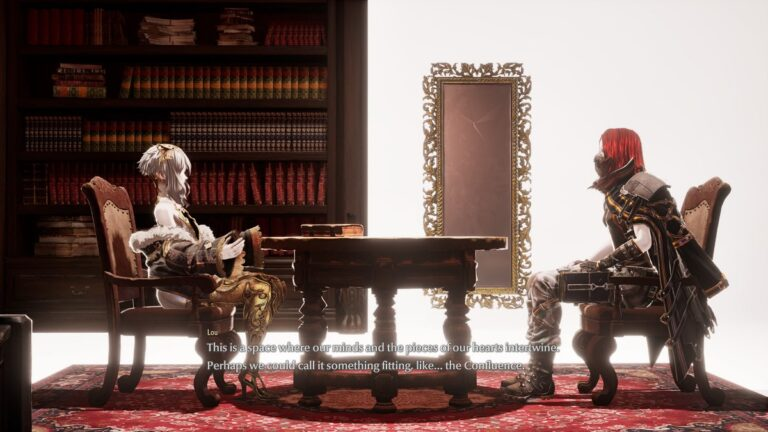
If Io became a fan favorite in the original game, Lou earns her place just as convincingly in Code Vein II.
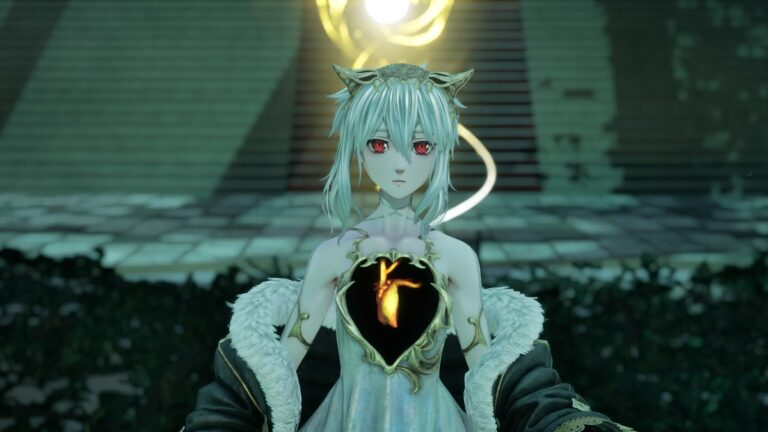
She is not merely an NPC companion. Lou has a strong personality, moments of stubbornness, and an ongoing mystery that keeps players invested. Her chemistry with the protagonist is conveyed through natural dialogue during exploration and expressive cutscenes.
Thanks to Unreal Engine 5, character facial animations are far more detailed, allowing emotions to come across clearly and making every interaction feel more human and engaging.
Gameplay Elevated: Faster, Stronger, Deeper
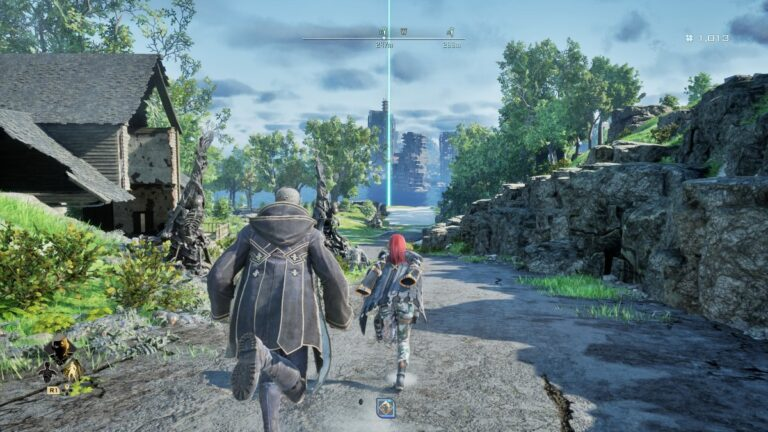
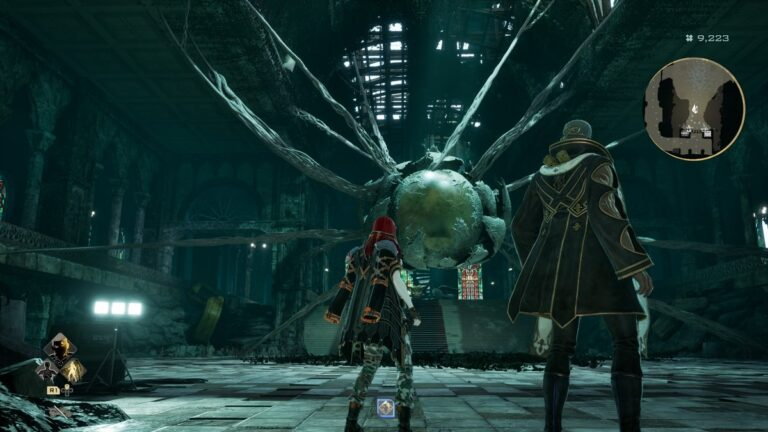
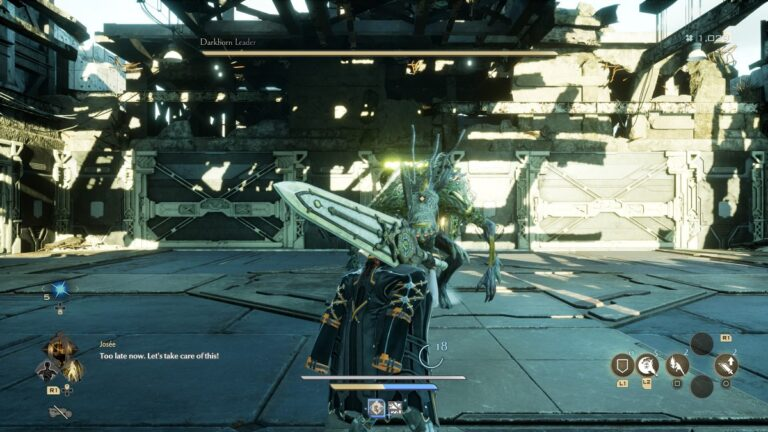
Combat has seen one of the biggest improvements.
Movement feels smoother and more responsive. Dodging, dashing, and attacking flow naturally, giving combat a stronger action-oriented feel while maintaining Souls-like tension. Weapon classes have been reworked, with greatswords gaining satisfying momentum and one-handed swords offering faster, more agile attack patterns.
The result is a combat system that rewards precision and confidence, but still punishes mistakes harshly.
Jails: A New Evolution Beyond Blood Veils
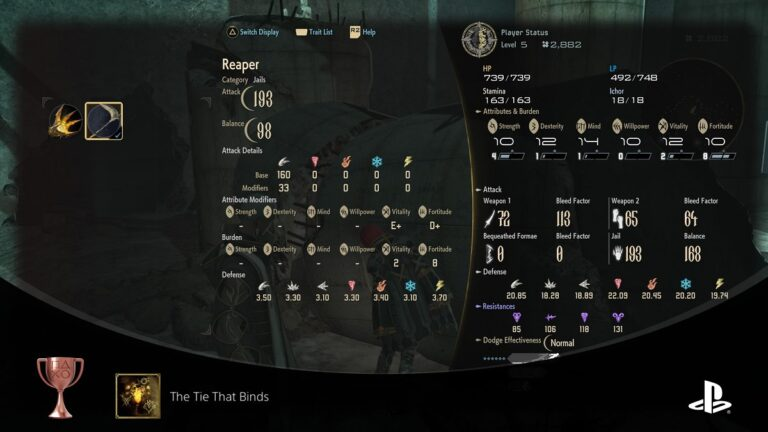
The new Jails system replaces Blood Veils from the previous game and offers significantly more flexibility.
Jails now function as armor, skill modifiers, and gameplay changers. Some can transform into spiked wings for aerial attacks, while others convert arms into long-range cannons. Drain Attacks have also been redesigned to execute faster and more smoothly, allowing players to integrate them into normal combat combos without breaking momentum.
This change keeps Ichor management dynamic and encourages aggressive playstyles.
Formae and Limitless Customization
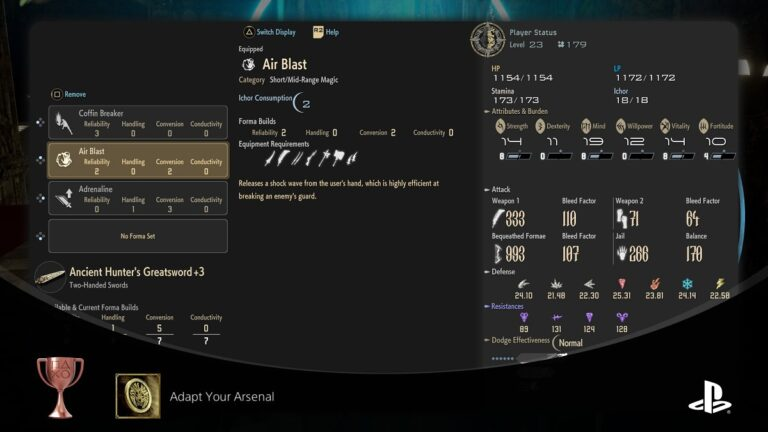
While the Blood Code class system returns, Code Vein II introduces Formae, a sub-skill tree tied to weapons and playstyles.
Formae allows extensive mixing of abilities across different builds. Tank-oriented players can incorporate mobility skills, while aggressive builds can add defensive options if requirements are met. This system dramatically expands build diversity and ensures that no two characters feel the same.
Partner System 2.0: Ally or Power Source?
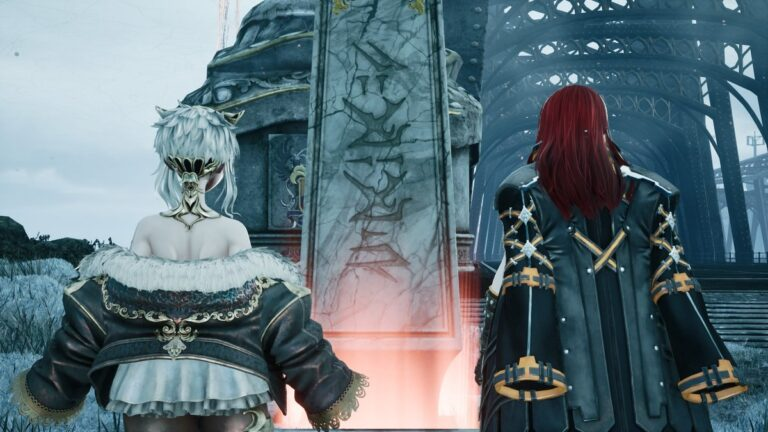
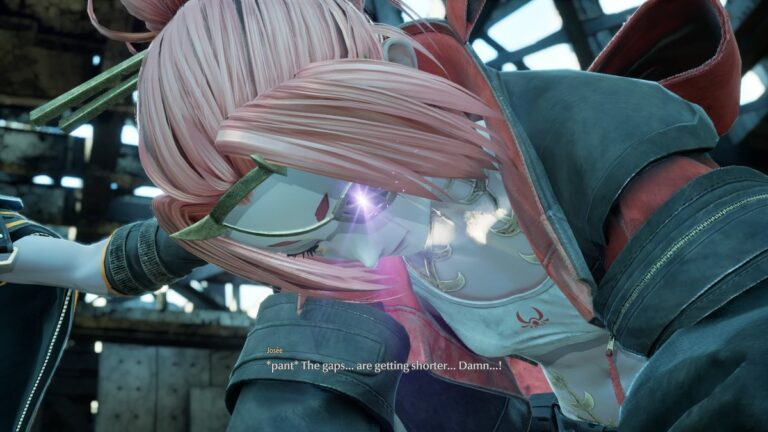
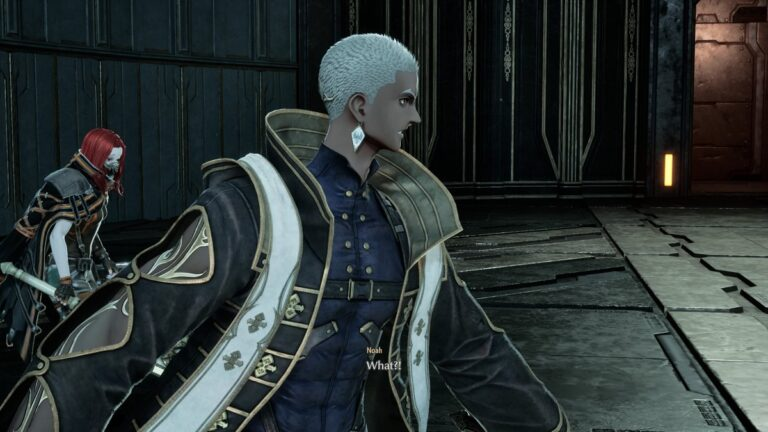
AI companions have also received major upgrades.
Partners now react intelligently by healing at the right time, drawing enemy attention, and retreating when necessary. The highlight is the new Assimilation system. When the relationship gauge is full, players can absorb their partner’s power temporarily, entering a high-powered state with massive offensive potential.
The trade-off is significant. The partner disappears from the battlefield, forcing the player to fight alone. This risk-reward mechanic adds meaningful tactical decisions during boss fights.
A Vast World and Motorcycle Exploration
Say goodbye to narrow, maze-like levels.
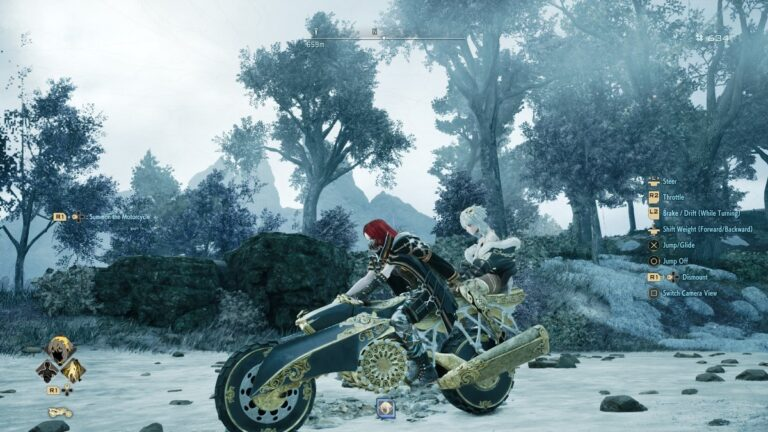
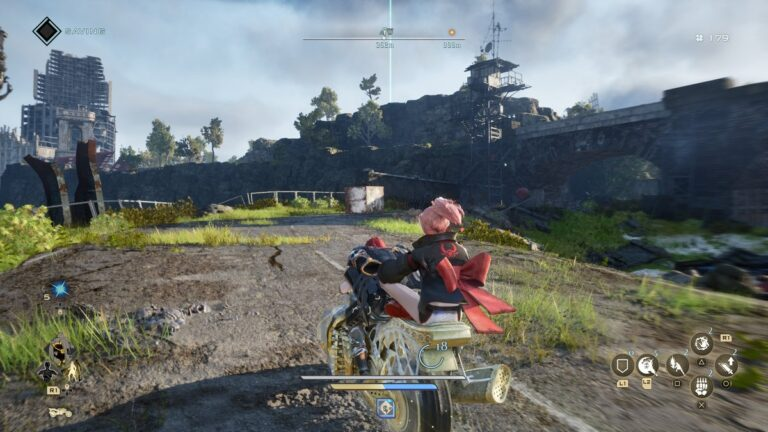
Code Vein II introduces expansive open-world environments with interconnected zones that are complex yet readable. Exploration is further enhanced by a motorcycle that players can summon and ride freely. It offers arcade-style handling, reduces travel fatigue, and can be customized visually to match character aesthetics.
Visuals and Performance: Beauty in Desolation
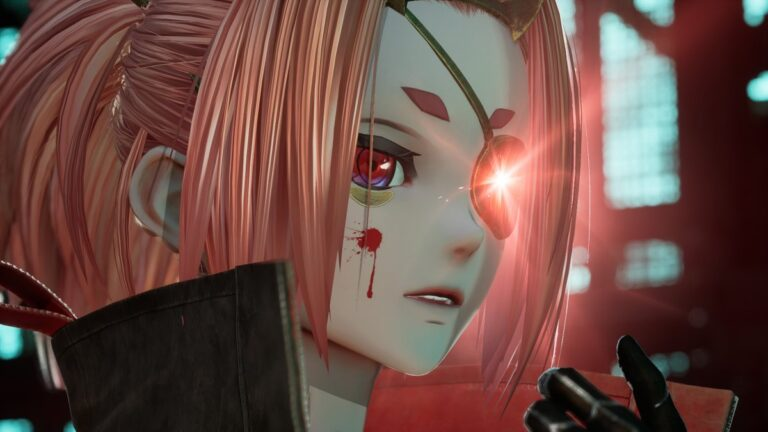
Powered by Unreal Engine 5, the visual leap from the first game is undeniable.
Lighting, reflections, water effects, and environmental details are significantly improved while retaining the anime-inspired art style. Skill effects are flashy and satisfying, and monster designs strike a balance between grotesque and fascinating.
On current-generation consoles, the game runs at a mostly stable 60fps, with occasional drops during extremely heavy visual effects.
Character Creation: A Creator’s Paradise
Character creation remains the soul of the series and is better than ever.
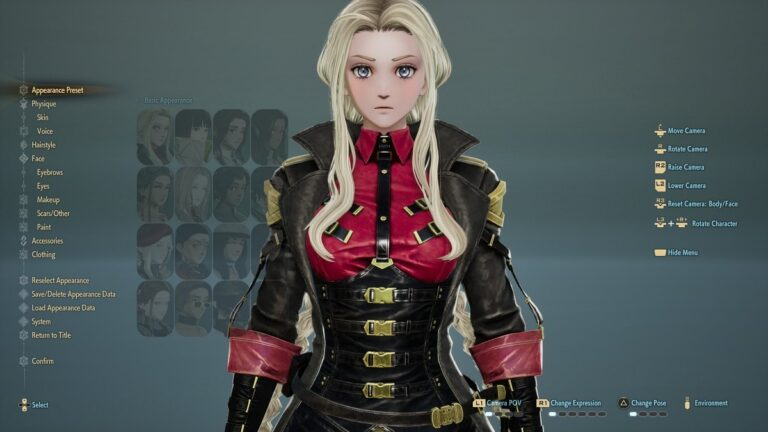
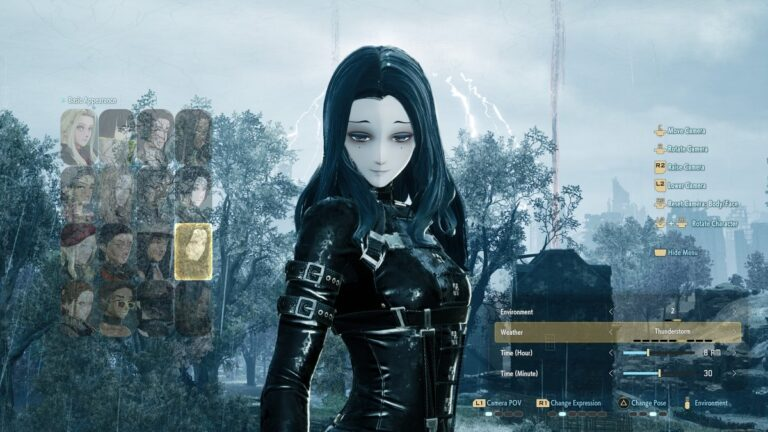
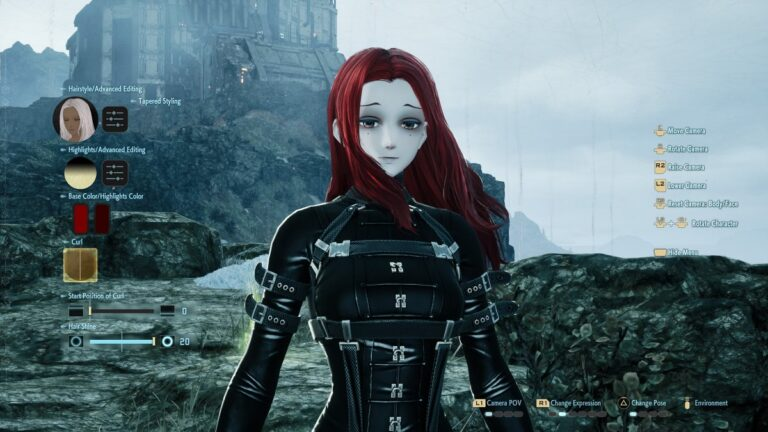
Players can fine-tune nearly every aspect of their character, from eye shapes and color gradients to freely movable accessories. Horns can be placed on shoulders, glasses repositioned anywhere, and decorative elements resized without limitation.
Spending hours in the character creation menu alone feels completely justified.
Minor Concerns
Despite its strengths, a few issues remain.
Camera behavior can become problematic during tight boss encounters, occasionally causing disorientation. Difficulty spikes in the mid-game can also feel abrupt, forcing players to grind levels or completely rework builds. This may discourage newcomers, though veteran Souls-like players may welcome the challenge.
Final Verdict: A Complete Anime Souls-like Sequel
Code Vein II is not just a sequel for existing fans. It is a high-quality action RPG that stands confidently on its own.
With refined combat, emotionally powerful storytelling, stunning visuals, and one of the deepest customization systems on the market, Bandai Namco proves its mastery of the genre. For players seeking a challenging experience wrapped in stylish anime aesthetics and meaningful narrative weight, this is a must-play title.
Code Vein II launches on January 29, 2026, for PlayStation 5, Xbox Series X|S, and PC.
Special thanks to Bandai Namco Entertainment for providing the review copy.
For more information and to order the game, please visit: [Click]