Google AI Agents Face Harsh Paywall Problem
Google brought a major AI push to its latest Google I/O event, but the company’s newest direction may not reach everyday users as easily as expected.
The biggest highlight came from Google’s expanding ecosystem of AI agents. These intelligent assistants are designed to work in the background, organize information, summarize content, manage digital tasks, and help users move through the internet in a more automated way.
On paper, that sounds like a major evolution. In practice, however, Google’s presentation also created confusion, especially because many of these tools appear tied to expensive paid plans.
Google Wants AI To Work In The Background
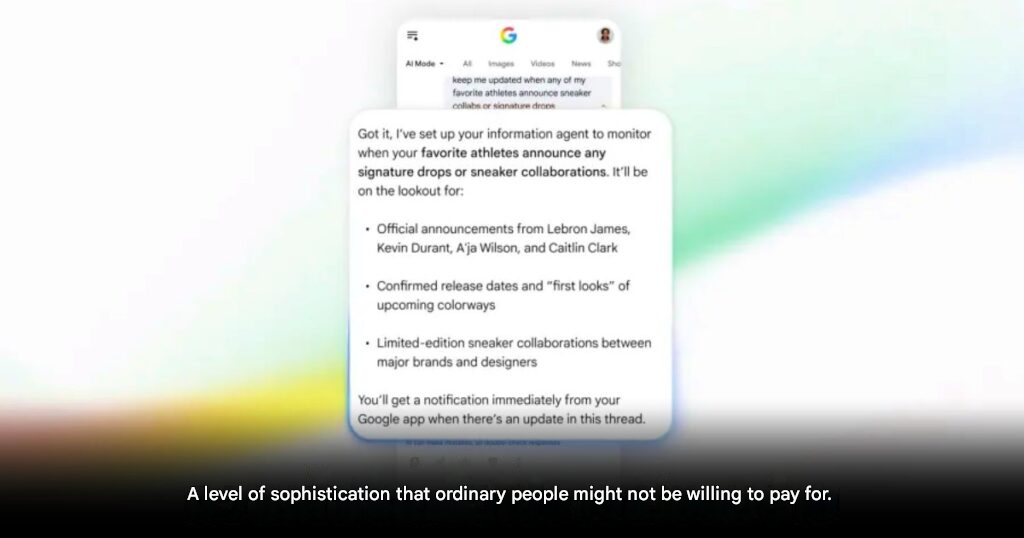
One of the major ideas shown at the event was a new type of information agent.
This system works like an upgraded notification service. Instead of simply sending alerts, it can monitor topics users care about and provide smarter updates in the background.
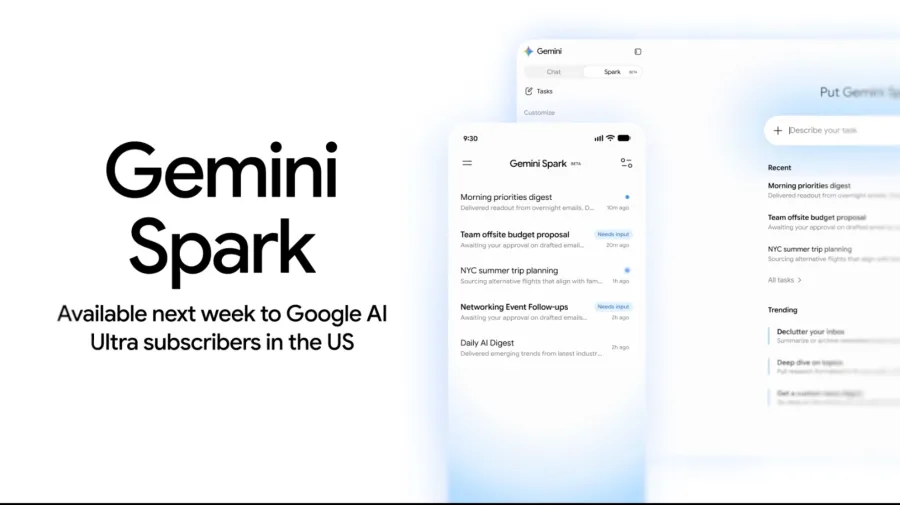
Google also introduced Gemini Spark, a personal AI agent that connects with services such as Gmail and Google Docs. It can help summarize newsletter content, organize digital information, and even assist with planning trips with friends.
These tools show how Google wants AI to move beyond basic chatbot responses. The company wants AI to become a deeper layer across everyday digital life.
Too Many Names Make The Rollout Confusing
The problem is that Google’s AI lineup can feel difficult to follow.
The company introduced several feature names across different products, including Android Halo for smartphone notification management and Daily Brief for summarizing information from inboxes and calendars.
Instead of presenting one simple, easy-to-understand AI experience, Google appears to be dividing its tools into many named systems.
For general users, that can make the AI push feel less exciting and more confusing. If people cannot quickly understand what a feature does or why they need it, they may ignore it completely.
Expensive Plans Could Keep Users Away
The bigger issue is access.
Many of these AI tools are not yet widely available to regular users. According to the source article, Google appears to be targeting heavy users first, especially those willing to pay for premium plans such as the Google Ultra plan.
That plan reportedly costs around $100 per month, or about ฿3,260, which puts it far beyond what many everyday users may want to spend on AI features.
This creates a clear gap between people who can afford to experiment with the newest AI tools and users who still do not see enough practical value to pay for them.
Everyday Users Still Need A Clear Reason
Google’s biggest challenge is not only price. It also needs to explain why ordinary people should care.
Many users still see AI as a chatbot, a search replacement, or a tool for generating strange images and videos. Others worry about AI cluttering social feeds, consuming energy through large data centers, or adding another layer of complexity to digital life.
The source article argues that Google did not clearly show how these AI agents solve normal daily problems.
People deal with real concerns such as rent, bills, fuel costs, work stress, and too much screen time. If AI agents can reduce repetitive tasks and help users spend less time online, Google needs to show that clearly.
Google Needs A Simpler AI Message
The situation feels different from Google’s earlier era.
In the past, Google offered world-changing tools such as Search and Gmail in ways that felt simple, useful, and widely accessible. Those services became powerful because regular users could quickly understand their value and start using them.
This new AI era needs the same clarity.
Instead of making AI agents feel like expensive tools for hardcore users, Google may need to package them into a simpler, more accessible experience. A strong AI feature should make users feel like it saves time, reduces digital stress, and solves something real.
At the moment, the promise is huge. The access problem is just as huge.
Google AI agents could become one of the most important shifts in everyday technology, but Google needs to make them easier to understand and easier to access. Powerful AI tools lose impact when they sit behind expensive subscriptions and confusing product names. If Google wants normal users to embrace AI, it must prove that these agents solve real daily problems, not just impress developers and premium subscribers.
SOURCE: TechCrunch