Xreal Project Aura Shows Powerful Android XR Future
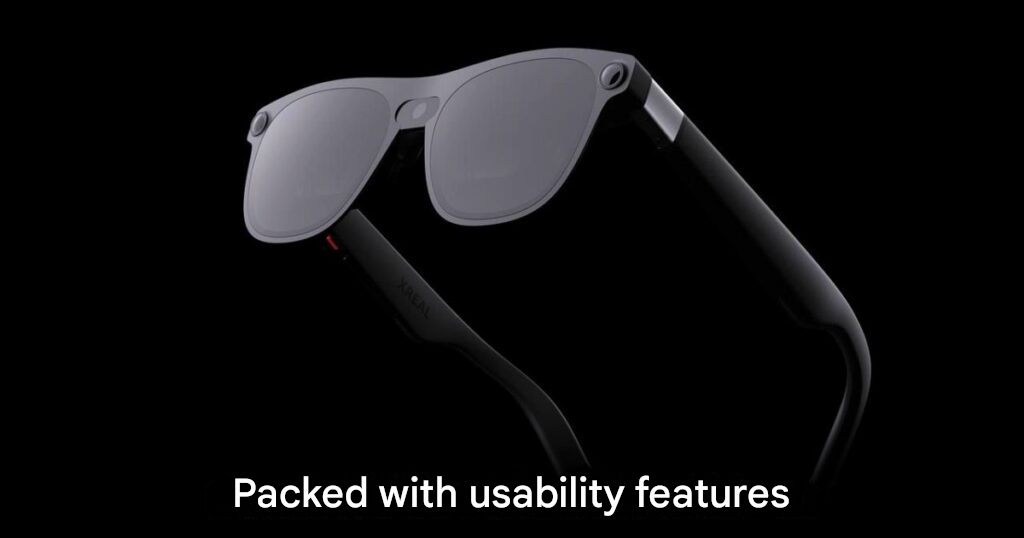
Xreal has revealed Project Aura, a new Android XR smart glasses concept that pushes beyond simple entertainment use and moves closer to a powerful AR productivity device.
Unlike many smart glasses that focus on a normal-looking frame with a few hidden features, Xreal has often taken a different path. The brand continues to chase a more immersive AR experience, especially for users who want stronger entertainment and productivity features.
The company recently showed Project Aura during Google I/O, giving users an early look at what its Android XR future could become. Based on the demo, Xreal does not seem interested in building another simple pair of glasses for watching movies. Instead, it wants to create something much more ambitious.
Project Aura Takes A Maximalist Approach
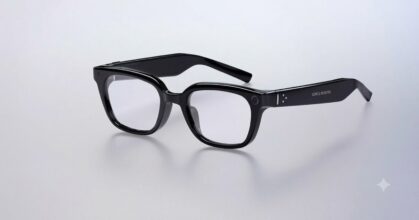
If minimalist Android XR glasses from brands like Warby Parker or Gentle Monster represent the simple side of the market, Project Aura sits on the opposite end.
This device feels more like a high-powered upgrade of Xreal One Pro than an everyday fashion-first wearable. It does not appear designed for casual all-day outdoor use. Instead, it targets users who want a bigger, stronger, and more capable AR experience.
The exterior still carries a similar feel to the One Pro frame. However, Project Aura adds a more advanced setup with three cameras. Two cameras sit on the sides of the frame for hand tracking, while the third camera sits in the center for capturing photos and videos.
Wide Visuals And Strong Outdoor Brightness
Xreal has not revealed full specifications yet, but the display already sounds impressive. The demo unit reportedly features a 70-degree field of view, which gives users a wider visual space than many current smart glasses.
The image quality also appears sharp and bright enough for outdoor use. During the test, the display remained visible even under sunlight. The wider viewing area also helped when watching YouTube videos or browsing Chrome, since the screen did not feel too cramped or cut off.
For users who want AR glasses that feel closer to a real extended display, this could be one of Project Aura’s biggest strengths.
Hand Controls Feel Smooth And Natural
The interface uses hand gestures for control. The main action involves pinching the fingers together, a gesture that should feel familiar to users who have tried other AR or mixed reality devices.
According to the demo, Project Aura tracked hand movements accurately and smoothly. Users could move, resize, and adjust windows without major interruptions.
However, this model differs from Xreal One Pro because it connects by cable to a separate puck-shaped control unit. This setup feels similar to the approach used by Apple Vision Pro. The control puck is about the size of a smartphone and includes a trackpad and fingerprint sensor.
During an outdoor test lasting around 20 minutes, the puck became slightly warm. However, the test happened in hot weather, at almost 90 degrees Fahrenheit or around 32 degrees Celsius.
Gemini Molecule Shows Developer Potential
Xreal also showcased custom apps built to demonstrate what Project Aura can do.
One example was a simple AR drawing app. Another was Gemini Molecule, an app that showed off multimodal processing. Users could look at an object, pinch to select it, and let the app analyze the material. The app then displayed the material name and a simulated molecular structure.
Xreal engineers said these demo apps were created quickly using Gemini. While they may not be the most complete AR apps yet, they give a clear idea of what developers could build once they get access to the hardware.
This makes Project Aura feel less like a finished consumer product and more like a serious platform for experimentation.
Built For Pro Users And Productivity
Although Project Aura can still support entertainment, Xreal appears to position it more as a pro-level device.
The glasses can connect to a laptop and work as an external monitor. With a Bluetooth keyboard, users could likely turn the setup into a serious mobile workstation.
One Xreal engineer even claimed that he no longer uses traditional monitors and now relies on Aura glasses for work instead.
That claim may sound bold, but it matches the product’s direction. Project Aura is not just trying to replace a movie screen. It wants to replace part of the workspace.
THIS IS our take
Xreal Project Aura looks like one of the more exciting Android XR concepts because it does not chase minimalism for the sake of style. Instead, it focuses on wide visuals, hand tracking, productivity, and developer potential. It may not be the most casual smart glasses concept, but it could be a strong step toward AR devices that professionals can actually use every day.