5 Controversial Games That Shocked the World and Faced Bans
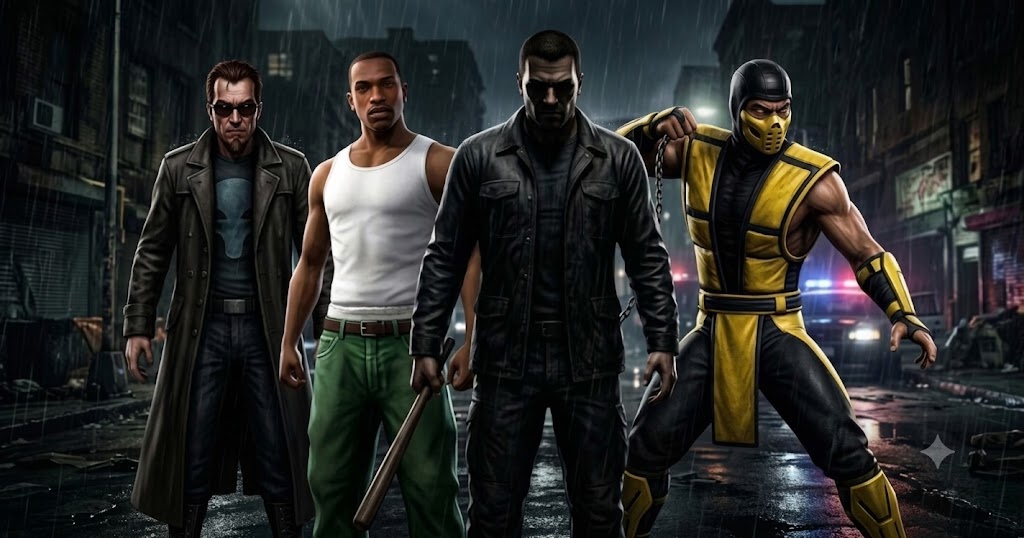
5 Controversial Games That Shocked the World
Video games have always been a source of entertainment and creativity, but before today’s well-established content rating systems existed, several titles pushed the boundaries of what society considered acceptable. As graphics became more realistic and gameplay more immersive, the line between entertainment and controversial content became increasingly blurred.
Some games were banned outright, while others became the center of political debates and public criticism. Several even played a direct role in shaping how games are rated today. Here are five infamous titles that sparked worldwide controversy and left a lasting impact on the gaming industry.
1. Mortal Kombat (1992)
When discussing the origins of modern game ratings, it’s impossible to ignore Mortal Kombat. The legendary fighting game stunned players by using digitized actors to create realistic character sprites, while its signature Fatality finishing moves featured graphic acts of violence that were unprecedented at the time.
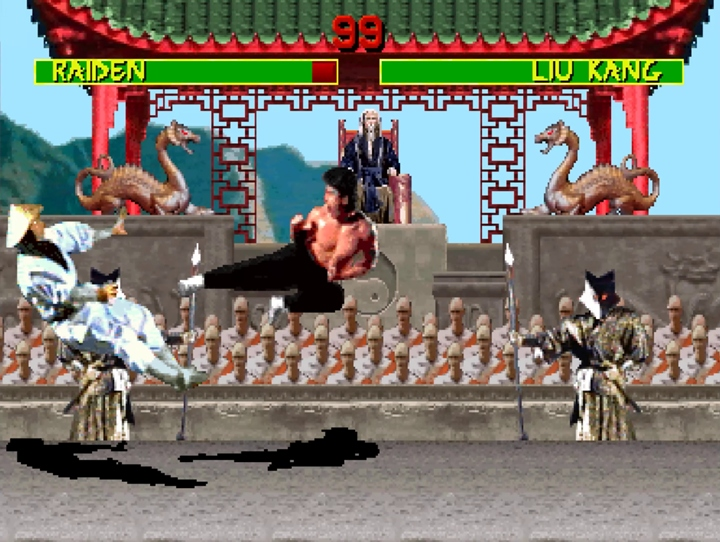
The game’s brutal finishing moves, including scenes where players could rip out an opponent’s spine or tear out their heart, sparked widespread concern among parents and lawmakers in the United States. The controversy became so significant that it was discussed during U.S. Congressional hearings, ultimately leading to the creation of the Entertainment Software Rating Board (ESRB), the world’s first major video game content rating organization.
2. Manhunt / Manhunt 2 (2003 / 2007)
Rockstar Games pushed violent gameplay even further with Manhunt and its sequel. Players take on the role of a death row inmate forced to survive through brutal stealth executions using everyday objects such as plastic bags, wires, and chainsaws.
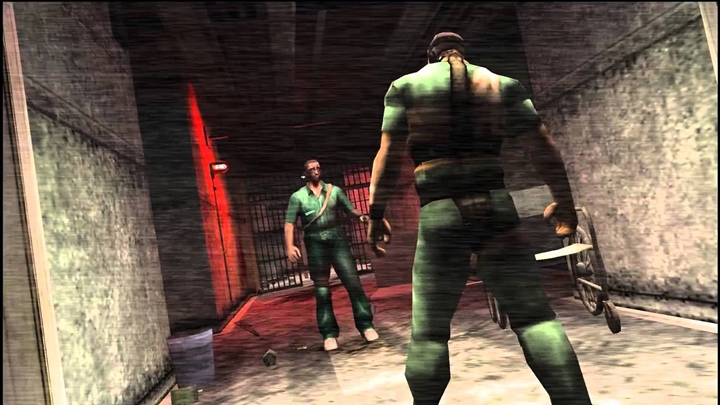
Manhunt 2 intensified the violence with more realistic graphics and increasingly graphic execution sequences. As a result, the game faced bans in several countries, including the United Kingdom, Ireland, and New Zealand.
To secure a commercial release on consoles, Rockstar modified the game by applying blur filters to many execution scenes. These changes helped reduce the game’s classification from Adults Only (AO) to Mature (M), allowing it to be released more widely.
3. Grand Theft Auto: San Andreas (2004)
Although the Grand Theft Auto series had already built a reputation for mature themes, Grand Theft Auto: San Andreas became the center of one of gaming’s biggest controversies because of the infamous “Hot Coffee” mod.
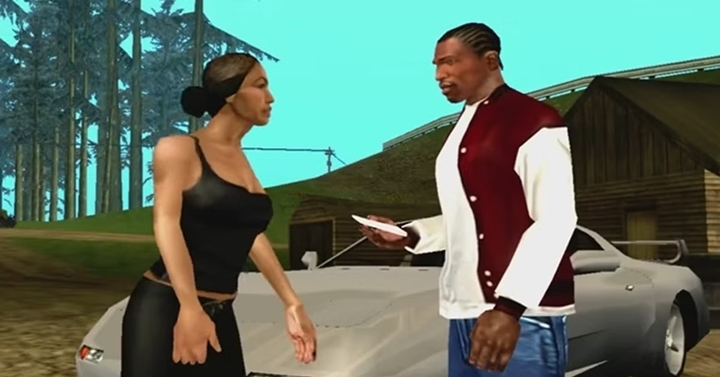
Hidden within the game’s code was an inaccessible mini-game featuring explicit sexual content. Once players discovered how to unlock it through unofficial modifications, the discovery sparked widespread criticism from politicians, family advocacy groups, and media organizations.
In response, the ESRB changed the game’s rating from Mature (M) to Adults Only (AO). Major retailers removed the game from store shelves, forcing Rockstar Games to recall copies and release a revised version with the hidden content removed. The incident also prompted rating organizations to adopt stricter procedures when reviewing game content.
4. Postal 2 (2003)
When it comes to games that pushed the limits of morality, Postal 2 is often one of the first titles that comes to mind. This open-world first-person shooter placed players in the shoes of an ordinary man going about everyday tasks, but allowed them to commit extreme acts of violence with very few restrictions.
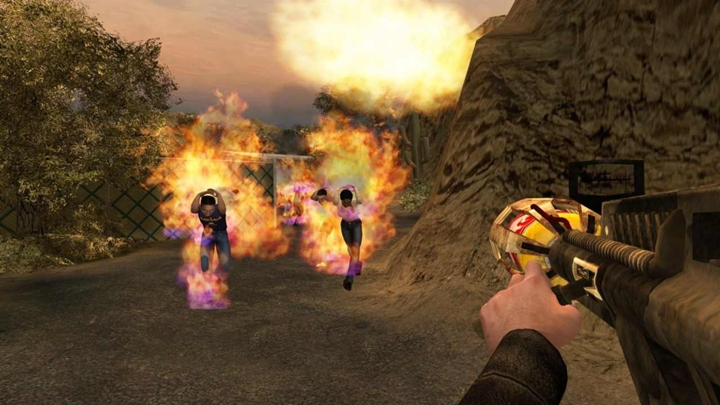
The game became infamous for its depiction of senseless violence against civilians, offensive themes, and other highly controversial content. Because of its graphic nature, Postal 2 was banned in several countries, including New Zealand, Sweden, and Australia. In New Zealand, the restrictions were particularly strict, with possession of the game potentially resulting in heavy fines or even imprisonment under local law.
5. RapeLay (2006)
The final entry on this list is RapeLay, a Japanese 3D eroge title that generated one of the largest public backlashes in the history of interactive entertainment.
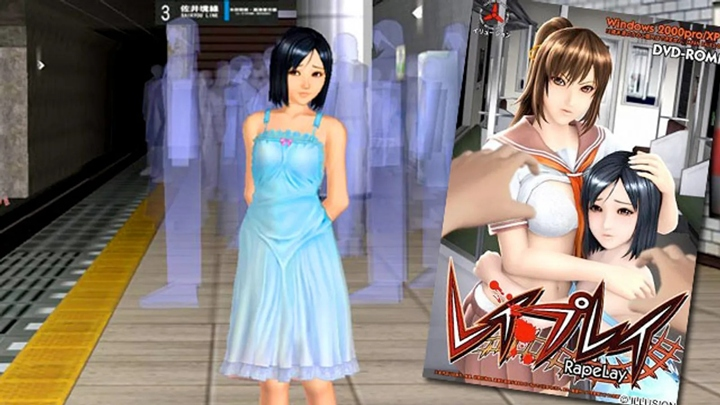
The game featured explicit depictions of sexual assault and violence against women, crossing ethical boundaries that drew widespread international condemnation. As the title gained attention outside Japan, women’s rights organizations and advocacy groups strongly opposed its distribution, leading to its removal from online marketplaces and bans on its sale in numerous regions.
The controversy had lasting consequences beyond the game itself. The developer eventually ceased production, while the incident prompted Japan’s adult game industry and related organizations to adopt much stricter standards regarding the production and distribution of explicit content.
A Lasting Impact on the Gaming Industry
Looking back, it’s clear that game rating systems were never intended to suppress creativity or prevent developers from exploring mature themes. Instead, they were created to help protect younger audiences from inappropriate content while giving adults the freedom to make informed choices about the games they play.
These controversial titles may have sparked heated debates, but they also helped shape the modern gaming industry. Understanding their history provides valuable insight into how content ratings evolved and why they continue to play an important role in video games today.