Inside Indie Game Stars 2026: The Beating Heart of PGDX and the Bright Future of Philippine Game Development
There is a saying among convention-goers that the biggest stages usually steal the spotlight.
At the Philippine GameDev Expo (PGDX) 2026, however, our team at This Is Game SEA found ourselves drawn somewhere else.
Away from the roar of esports tournaments, celebrity appearances, and packed keynote sessions was an entire function room dedicated to something equally exciting—perhaps even more inspiring.
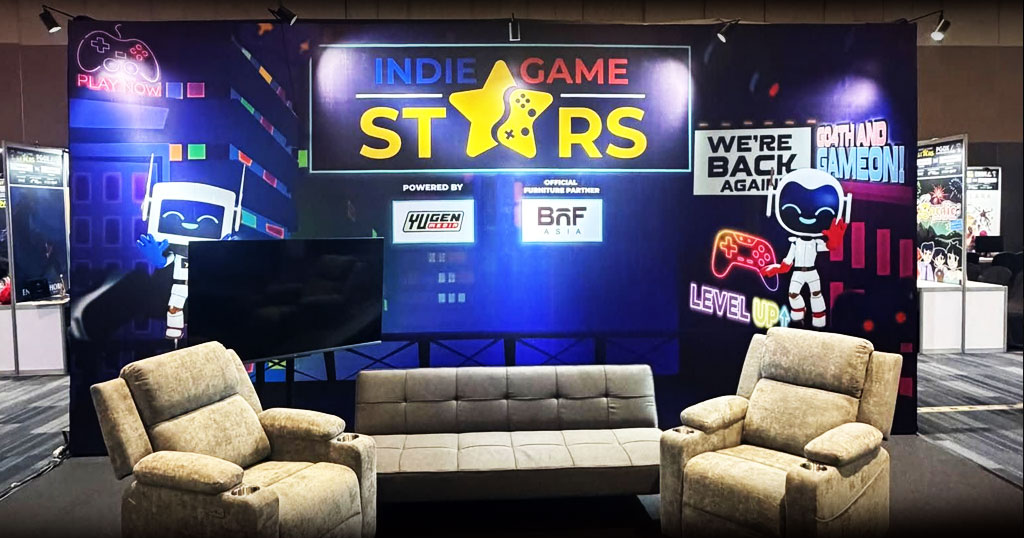
It was called Indie Game Stars (IGS) 2026.
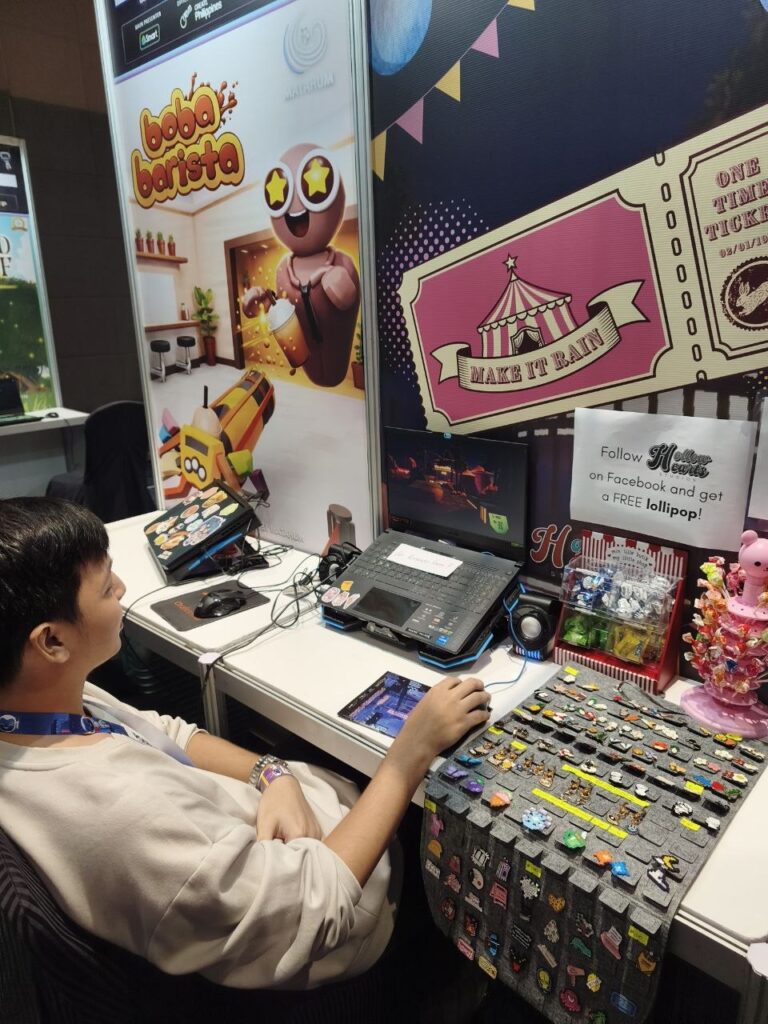
Occupying an entire function room throughout the three-day event, Indie Game Stars wasn’t simply another attraction on the expo floor. It was a celebration of Filipino creativity, ambition, and years of hard work brought together under one roof. Every booth represented countless late nights, personal sacrifices, and a dream shared by independent developers hoping their games would one day reach players not just in the Philippines, but around the world.

For us, one visit simply wasn’t enough.
Throughout PGDX 2026, the This Is Game SEA team kept returning to the Indie Game Stars hall. Every walkthrough revealed another interesting project we hadn’t noticed before, another passionate developer eager to share their story, and another game that reminded us just how rapidly the Philippine indie scene has evolved over the past few years.
It wasn’t just because there were dozens of games to experience.
It was because every booth had a story waiting to be told.
A Different Kind of Energy
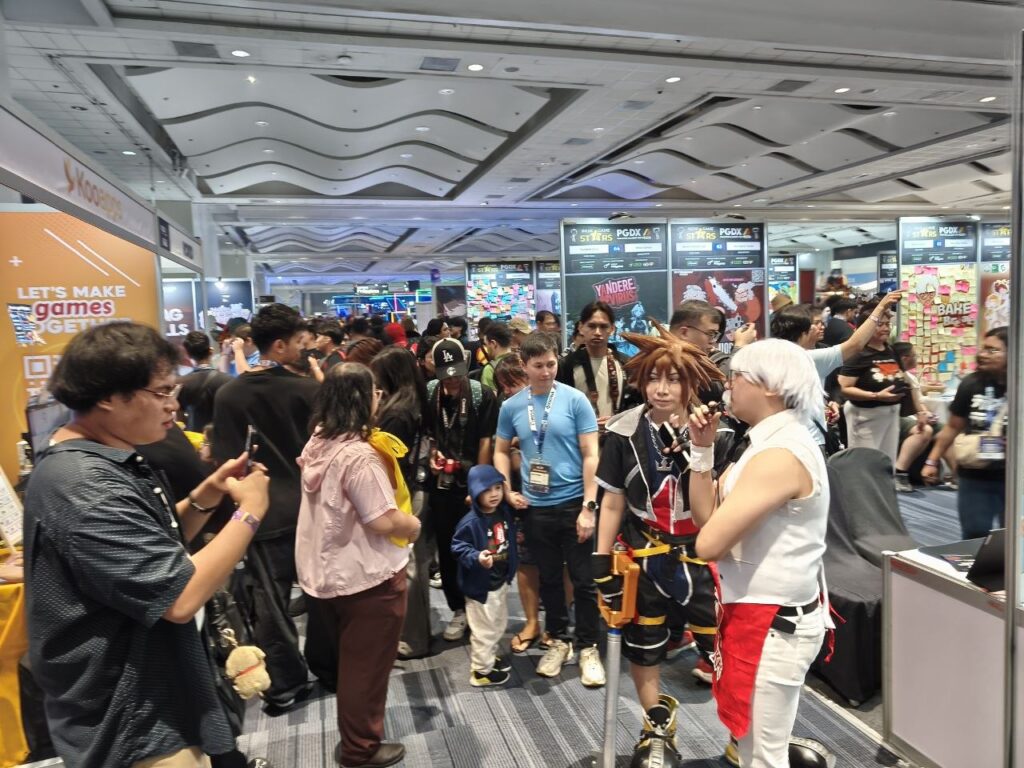
The atmosphere inside Indie Game Stars felt remarkably different from the rest of PGDX.
Instead of towering publisher booths and flashy marketing displays, visitors were greeted by the very people who created the games themselves.
Artists sat beside programmers.
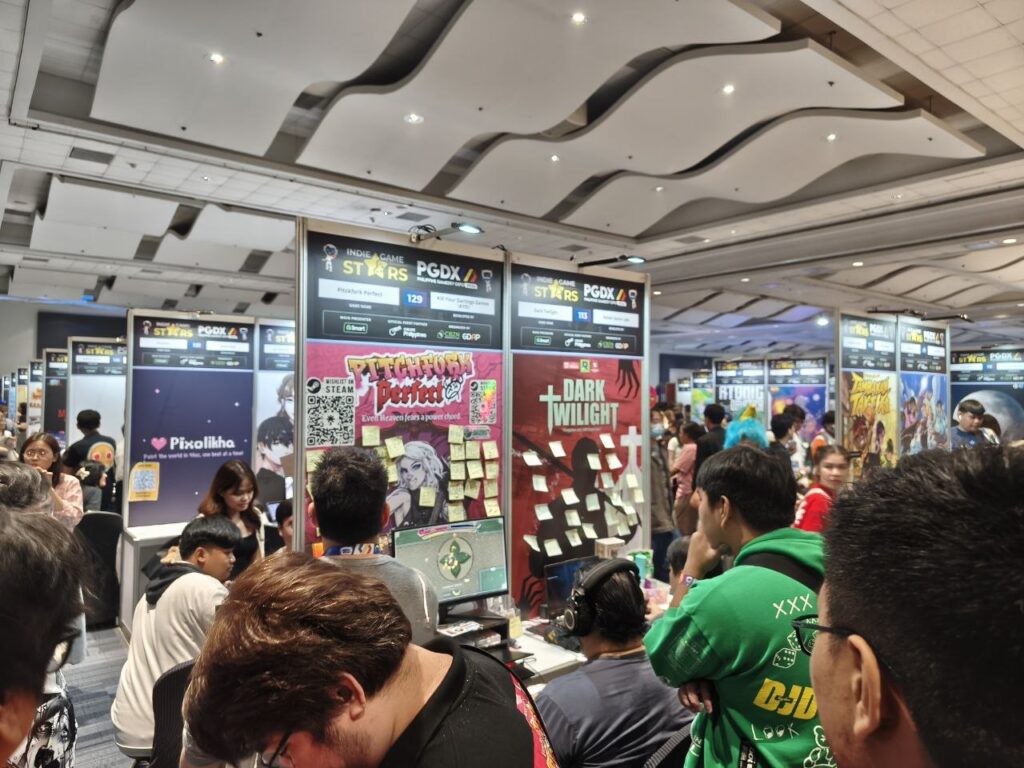
Designers carefully observed players as they navigated early levels.
Studio founders enthusiastically explained mechanics, inspirations, and future plans.
Some teams were introducing their very first commercial project. Others had already earned recognition from international audiences but still took the time to personally welcome every curious visitor who stopped by their booth.
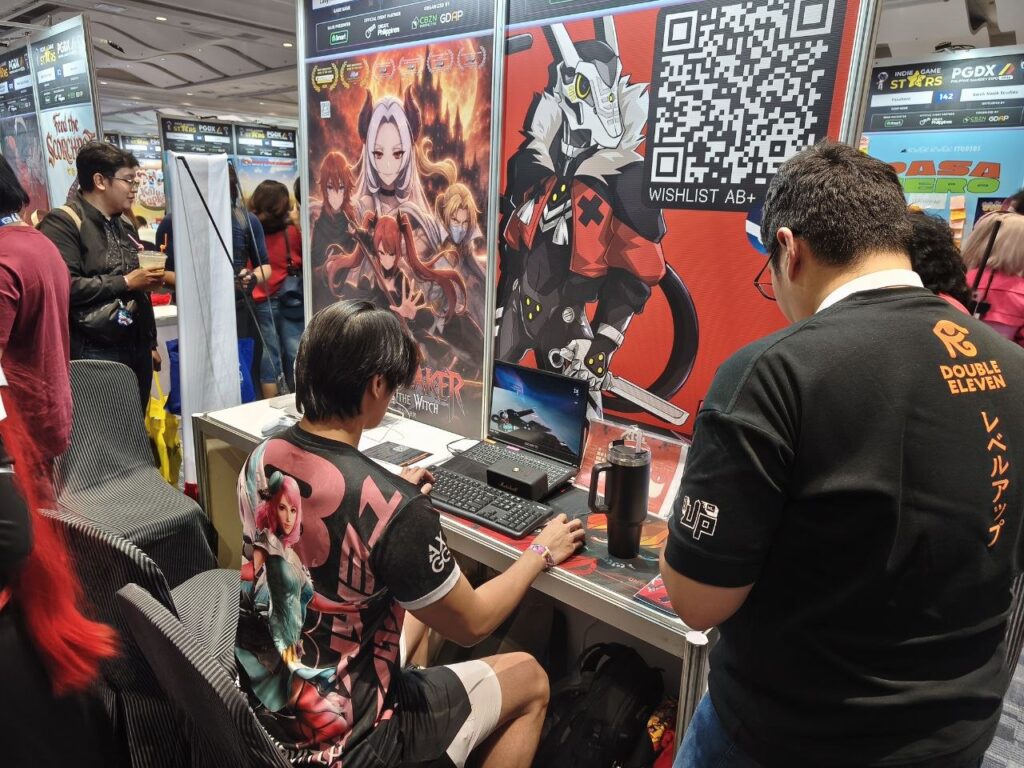
That accessibility is something rarely found at larger gaming conventions.
Here, players weren’t just testing games.
They were meeting the people behind them.
Questions naturally evolved from gameplay mechanics into conversations about development challenges, artistic inspiration, publishing goals, and the realities of building games in the Philippines.
The barrier between developer and player simply disappeared.
More Than Just Playing Games
As media covering PGDX, our goal wasn’t simply to move from one booth to another collecting screenshots.
We wanted to understand the people behind the projects.
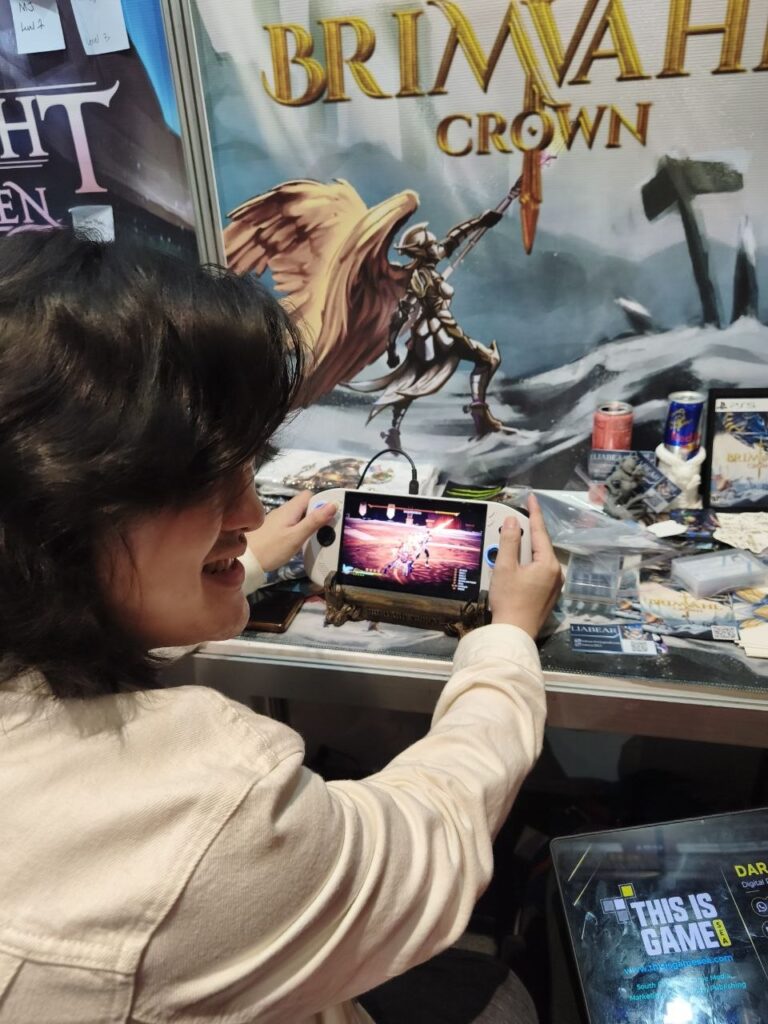
Throughout the event, our crew spent time speaking with various development teams, listening to their stories, learning about their projects, and, of course, trying as many games as our schedules would allow.
One thing immediately became clear.
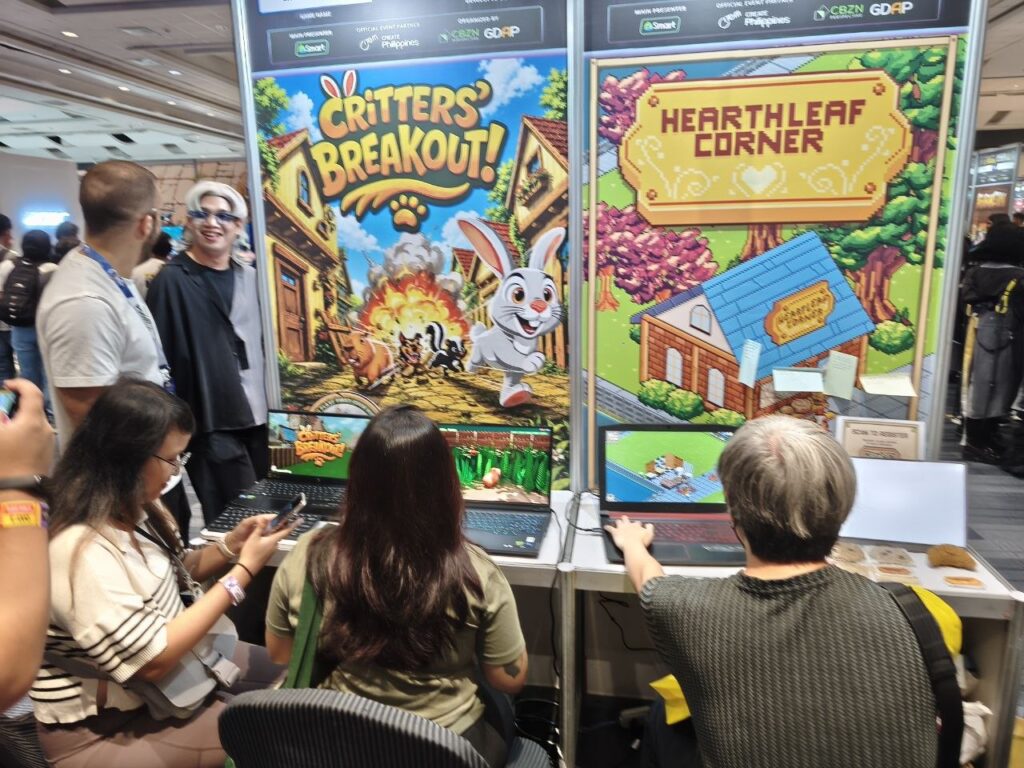
Filipino indie developers are incredibly passionate about what they create.
Whether a project had been in development for several years or was preparing for its first public demo, every conversation reflected genuine excitement whenever developers talked about seeing players experience their work firsthand.
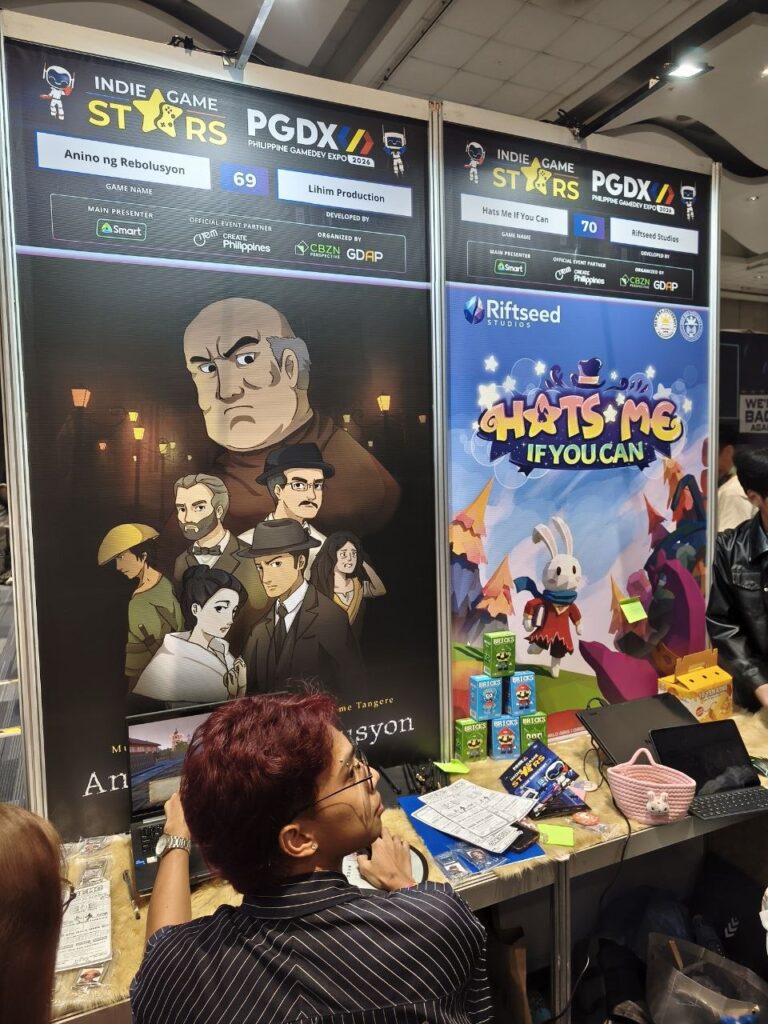
You could hear it in their voices.
You could see it in their expressions.
Watching someone enjoy a level they had spent months designing was often just as rewarding as receiving positive feedback.
That passion became one of the defining memories of our time inside Indie Game Stars.
Games That Made Us Stop and Look Twice
Before we even picked up a controller, several booths had already captured our attention simply through their names.
Among the titles that immediately stood out were Panda Bearia, Pasa Hero, Pitchfork Perfect, Baked or Break, Mananangays, Sepaku, and Kalucookan.
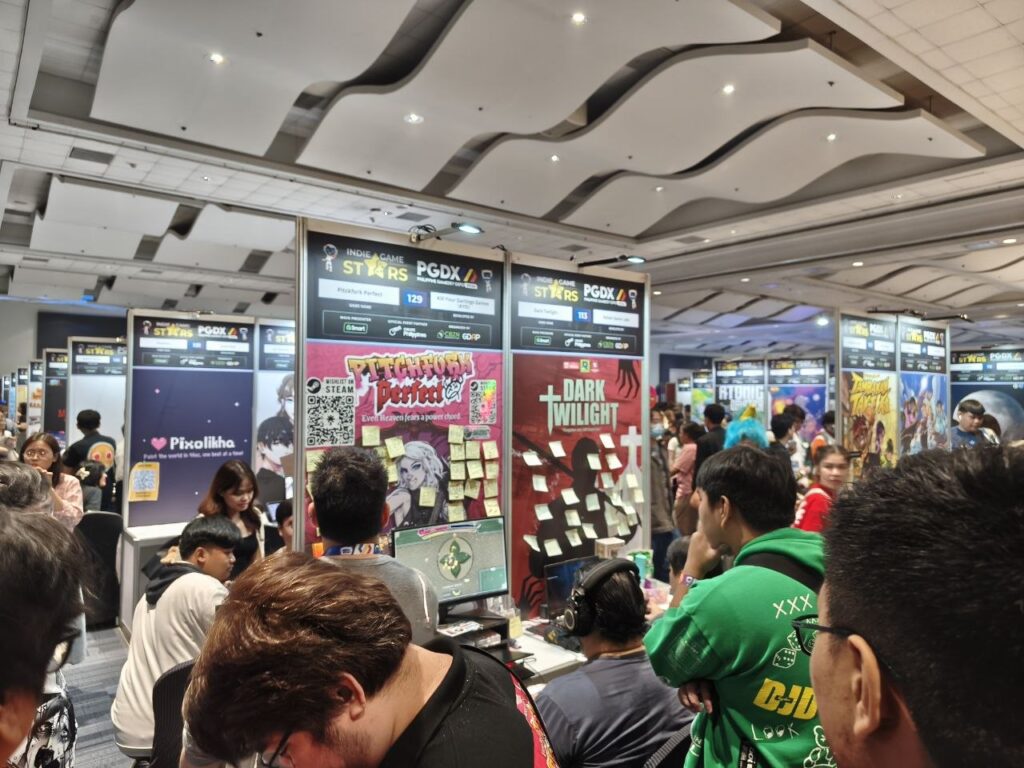
They’re the kind of names that make people stop, smile, and wonder:
“What exactly is this game about?”
That sense of curiosity is something many Filipino developers have begun embracing—not only through unique gameplay ideas but also through titles infused with local humor, clever wordplay, and unmistakable Filipino identity.
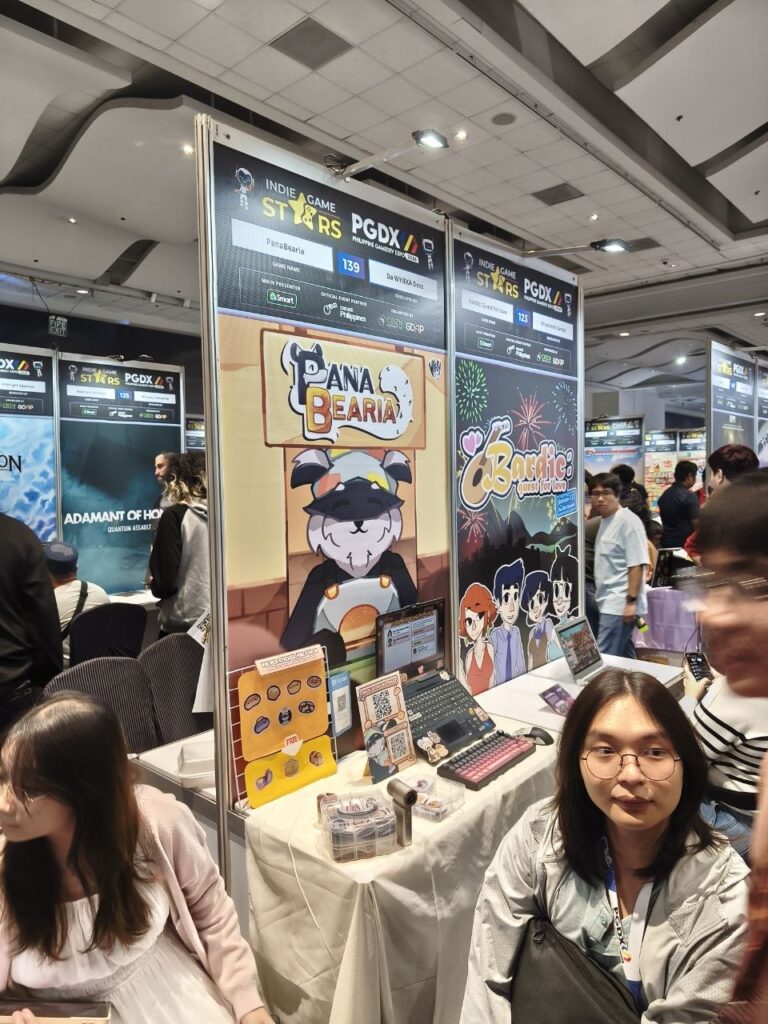
Rather than blending into a sea of generic fantasy names often found across digital storefronts, these games proudly wear their personality from the very beginning.
Of course, the names were only the start.
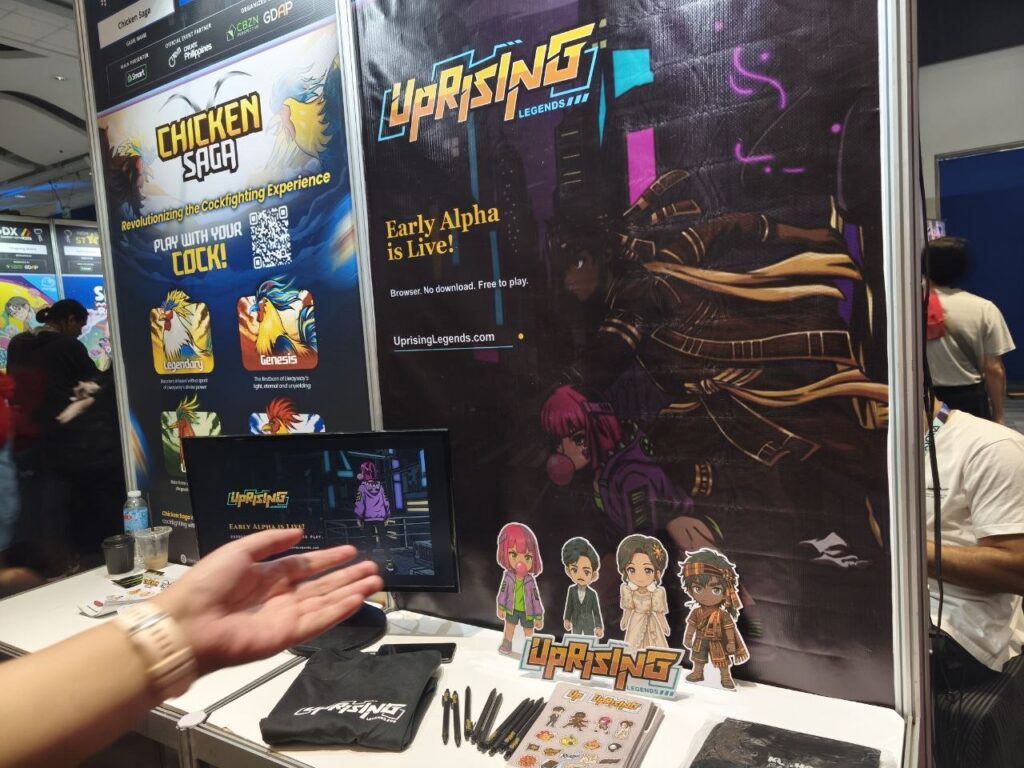
Once we sat down to play, it became obvious that many of these projects offered far more than an amusing first impression.
Across the showcase floor, visitors discovered an impressive variety of genres—from narrative adventures and puzzle games to action titles, experimental concepts, sports-inspired experiences, multiplayer party games, and uniquely Filipino takes on familiar mechanics.
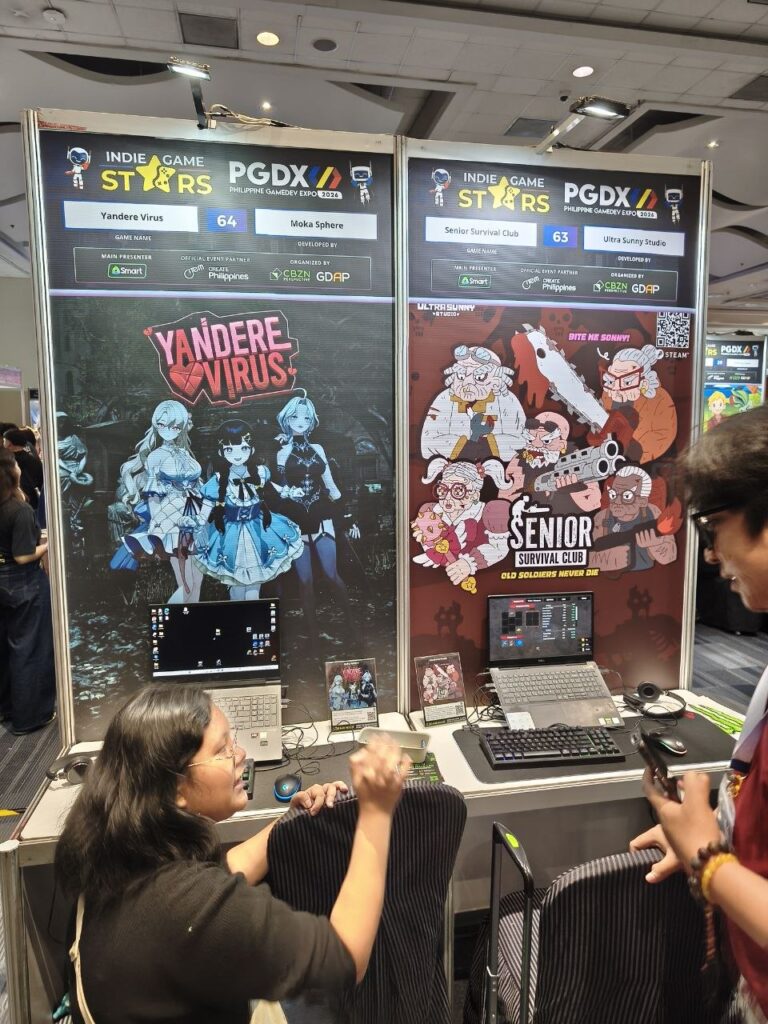
The diversity was striking.
No two neighboring booths felt exactly alike.
Each developer had something different to say.
Familiar Faces, New Adventures
One of the strengths of Indie Game Stars is how it brings together both established indie developers and newcomers taking their first steps into the industry.
Returning studios shared space with first-time exhibitors, creating an environment where experience and fresh ideas naturally mixed.
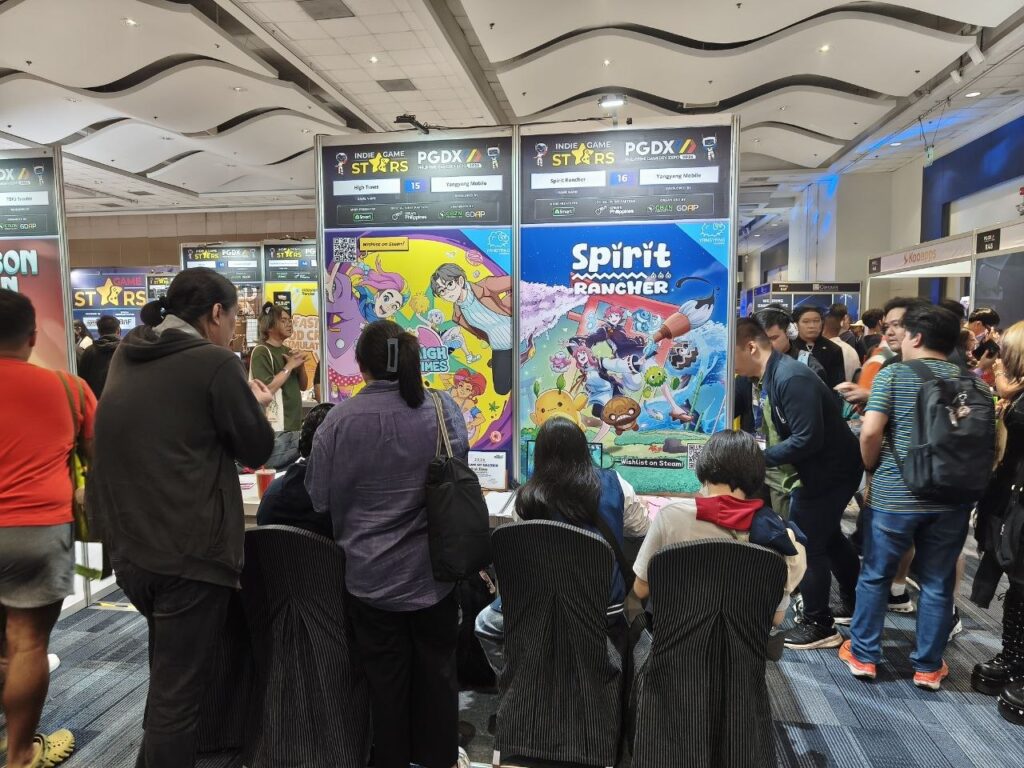
Visitors could discover projects from studios already making waves internationally while also stumbling upon hidden gems still searching for their first major audience.
You never quite knew what your next favorite game might be.
Sometimes it was a polished project backed by years of development.
Other times, it was a prototype created by a small team driven purely by determination and a desire to tell a uniquely Filipino story.
Why Indie Game Stars Matters
Events like Indie Game Stars are about much more than giving developers booth space.
For many studios, this is their opportunity to gather invaluable feedback directly from players.
Every smile.
Every laugh.
Every confused expression.
Every unexpected strategy.
Developers observe all of it.
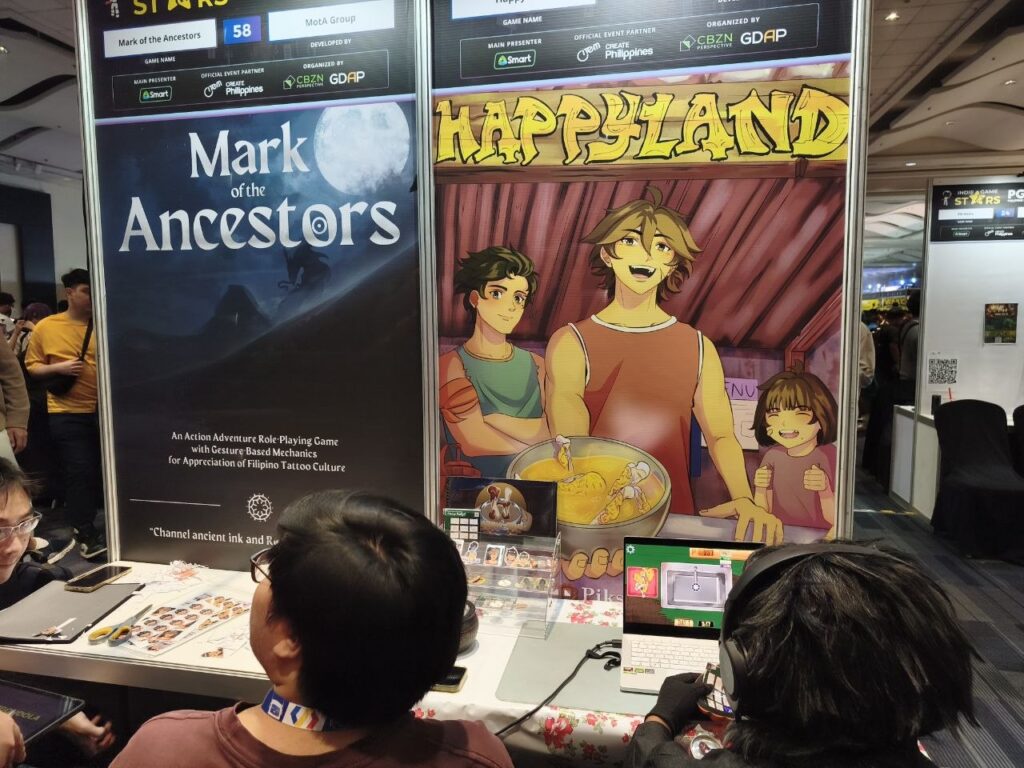
Many teams openly welcomed suggestions, carefully noting comments from players that could help improve future updates.
For independent developers—who often work with limited budgets and small teams—those conversations can be just as valuable as sales figures.
Equally important are the connections made beyond the demo stations.
Throughout PGDX, Indie Game Stars attracted fellow developers, educators, content creators, publishers, investors, and members of the media, creating countless opportunities for collaboration and future partnerships.
Some discussions may eventually lead to publishing deals.
Others could spark future collaborations between local studios.
Some may simply inspire the next generation of aspiring game developers who walked into the hall wondering whether making games was a realistic career.
After spending time inside the showcase, the answer feels increasingly clear.
It is.
And the future looks brighter than ever.
More Than an Exhibition—A Community
Perhaps the biggest takeaway from our time at Indie Game Stars wasn’t any single game—it was the community surrounding them.
Developers weren’t just promoting their own titles.
They were playing each other’s games, recommending neighboring booths to visitors, exchanging ideas, and celebrating one another’s successes.
There was a genuine sense that everyone wanted to see the Philippine game development scene grow together.
That collaborative spirit is something that can’t be replicated through online showcases or digital storefronts.
It happens when creators gather in the same room, share experiences, and build relationships that continue long after the convention lights go out.
For aspiring developers and students who visited the showcase, that atmosphere was just as valuable as the games themselves.
It demonstrated that game development isn’t an impossible dream reserved for massive international studios.
It’s an industry that local talent is actively shaping today.
Stories Waiting to Be Discovered
Walking through the hall, one realization kept coming back to us.
Every booth had a story that deserved to be heard.
Some developers had spent years balancing full-time jobs while building their dream project after work.
Others were fresh graduates finally seeing strangers play something they had created from scratch.
Several teams were preparing to launch on Steam, while others were refining prototypes with hopes of turning them into their first commercial release.
Those personal journeys are often invisible once a game reaches players.
People remember the finished product, but rarely the years of persistence, experimentation, and countless revisions behind it.
Events like Indie Game Stars help bridge that gap by allowing players to meet the people responsible for creating those experiences.
That human connection transforms a simple game demo into something much more meaningful.
Games That Reflect Filipino Creativity
One of the most exciting aspects of this year’s showcase was the incredible variety on display.
Visitors could move from emotionally driven narrative adventures to lighthearted multiplayer experiences, then onto experimental concepts, sports-inspired titles, strategy games, puzzle adventures, and action-packed experiences—all within the same hall.

Rather than following a single trend, Filipino developers are increasingly embracing originality.
Some projects proudly draw inspiration from local culture and folklore.
Others explore contemporary Filipino life through humor, food, language, and everyday experiences.
Several developers are experimenting with mechanics rarely seen in mainstream releases, proving that innovation doesn’t always require blockbuster budgets.
Art styles also varied dramatically from booth to booth.
Pixel art, hand-painted illustrations, stylized 3D worlds, anime-inspired visuals, minimalist aesthetics, and experimental visual directions all coexisted in the same space.
It was a reminder that there is no single formula for creating a memorable game.
HATCH: Helping Great Games Grow
Among the most important initiatives highlighted during PGDX 2026 was HATCH, a long-term platform created to support Filipino game developers beyond the exhibition floor.
For many independent studios, finishing a game is only the beginning.
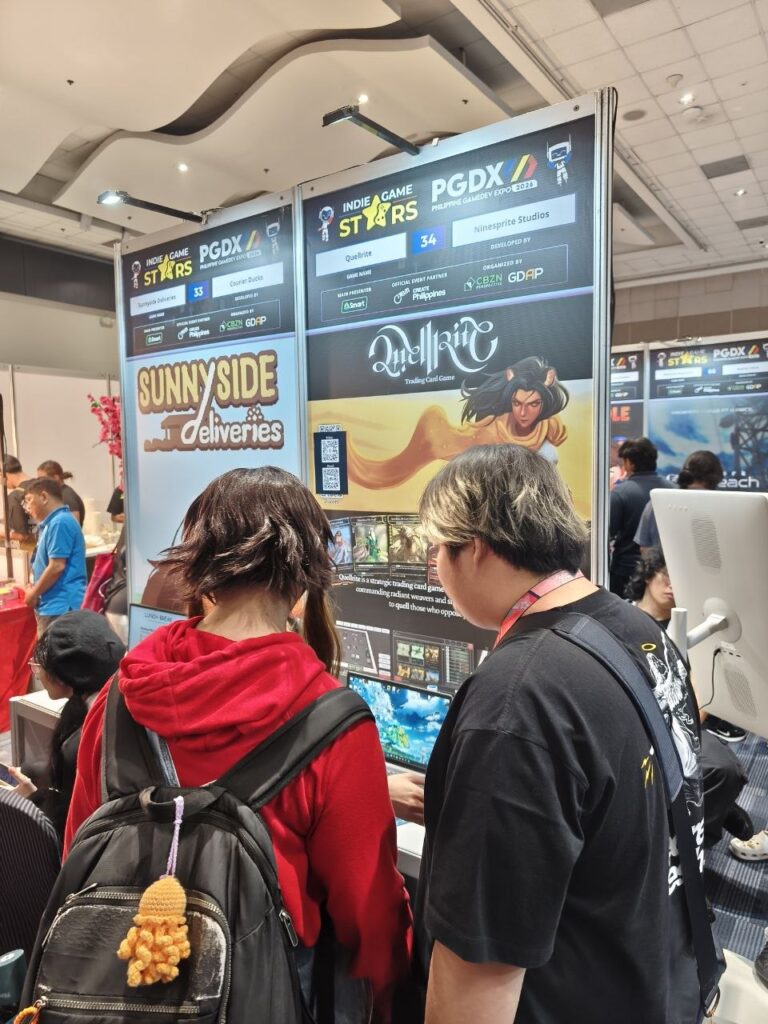
Finding publishers, building marketing strategies, connecting with investors, gaining media exposure, and reaching international audiences can be just as challenging as development itself.
HATCH aims to address those challenges by helping developers gain greater visibility, receive industry guidance, and establish meaningful connections within both the local and international game development ecosystem.
It represents an important shift in how the Philippine industry is evolving.
Instead of focusing solely on showcasing completed games, the community is now investing in helping studios grow into sustainable businesses capable of competing on the global stage.
Combined with PGDX’s expanding international presence, initiatives like HATCH demonstrate that Philippine game development is no longer thinking only about the next event—it is planning for the next generation.
A Global Stage for Local Talent
The success of Filipino-developed titles in recent years has shown that local studios are capable of creating experiences that resonate far beyond our borders.

Games developed in the Philippines are increasingly appearing on international storefronts, earning awards, receiving critical acclaim, and attracting players from around the world.
That growing recognition gives Indie Game Stars even greater importance.
For many exhibitors, PGDX isn’t simply about showcasing a game to local audiences.
It’s an opportunity to introduce their projects to publishers, journalists, content creators, investors, and potential business partners who may help bring those games to an even wider audience.
Every conversation matters.
Every demo matters.
Every wishlist, every follow, and every piece of feedback has the potential to influence a game’s future.
Why We Keep Coming Back
After spending three days exploring Indie Game Stars, one thing became obvious.
This wasn’t just another section of PGDX.
It was the heart of it.
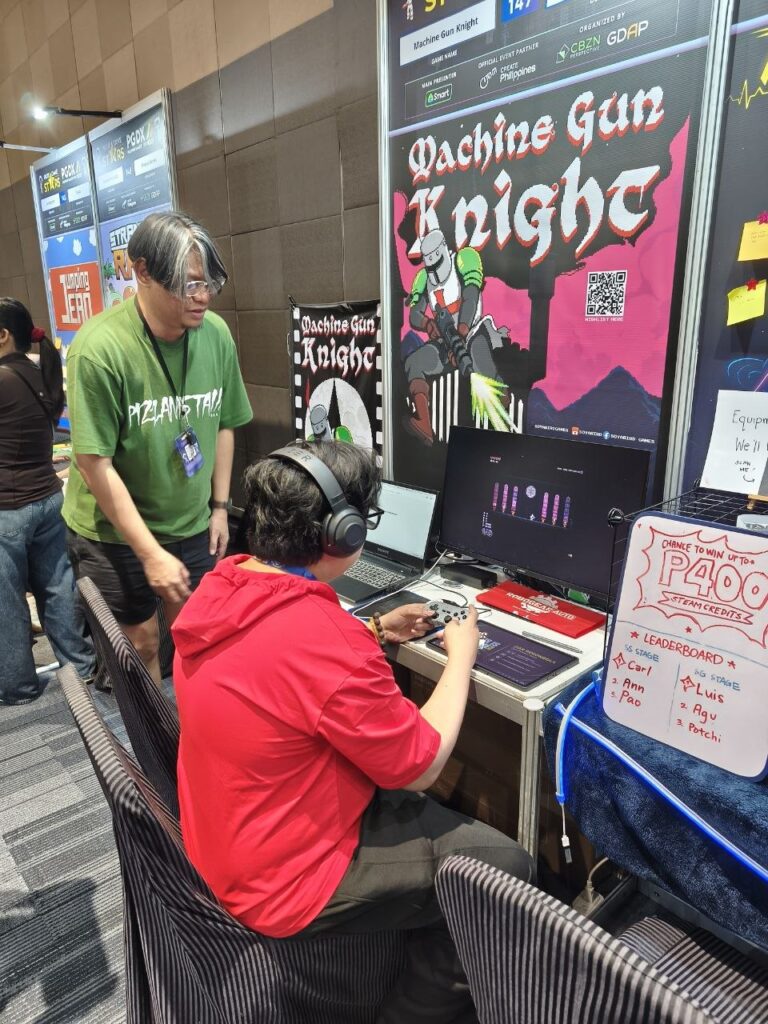
The excitement inside the hall didn’t come from elaborate stage productions or million-dollar marketing campaigns.
It came from genuine passion.
It came from developers proudly sharing something they had spent years creating.
It came from players discovering games they had never heard of before and leaving with new favorites on their wishlists.
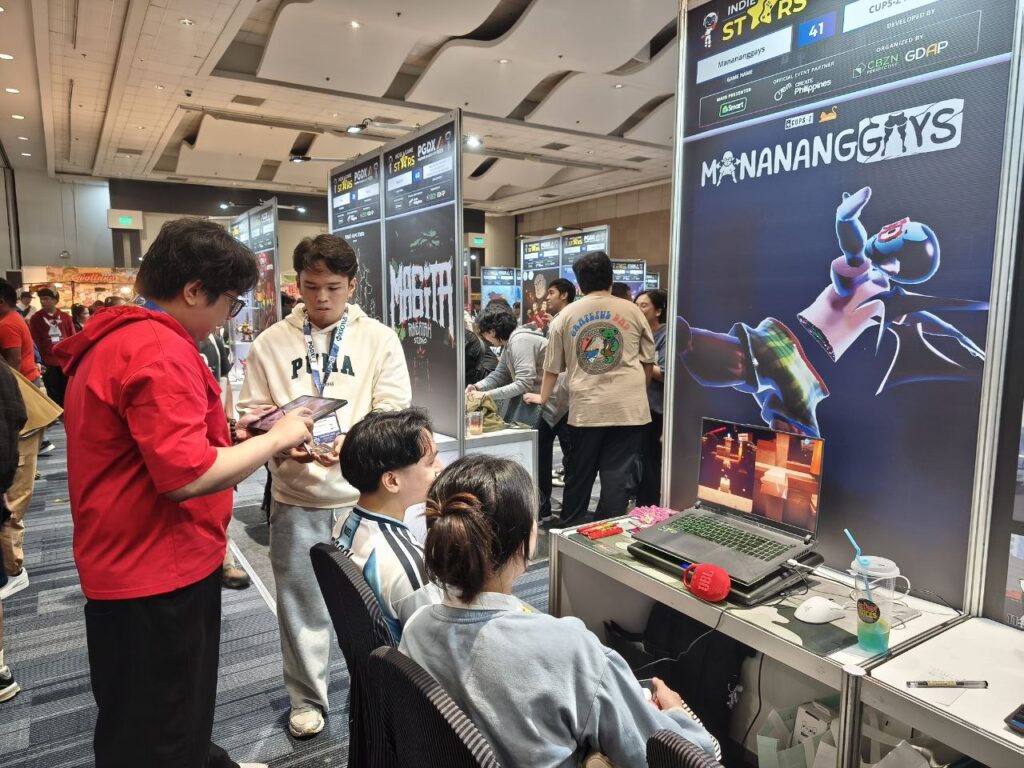
And it came from countless conversations that reminded us why independent game development remains one of the most exciting parts of the gaming industry.
Long after the expo ended, those conversations stayed with us.
Because behind every demo station wasn’t simply another game.
There was a team chasing a dream.
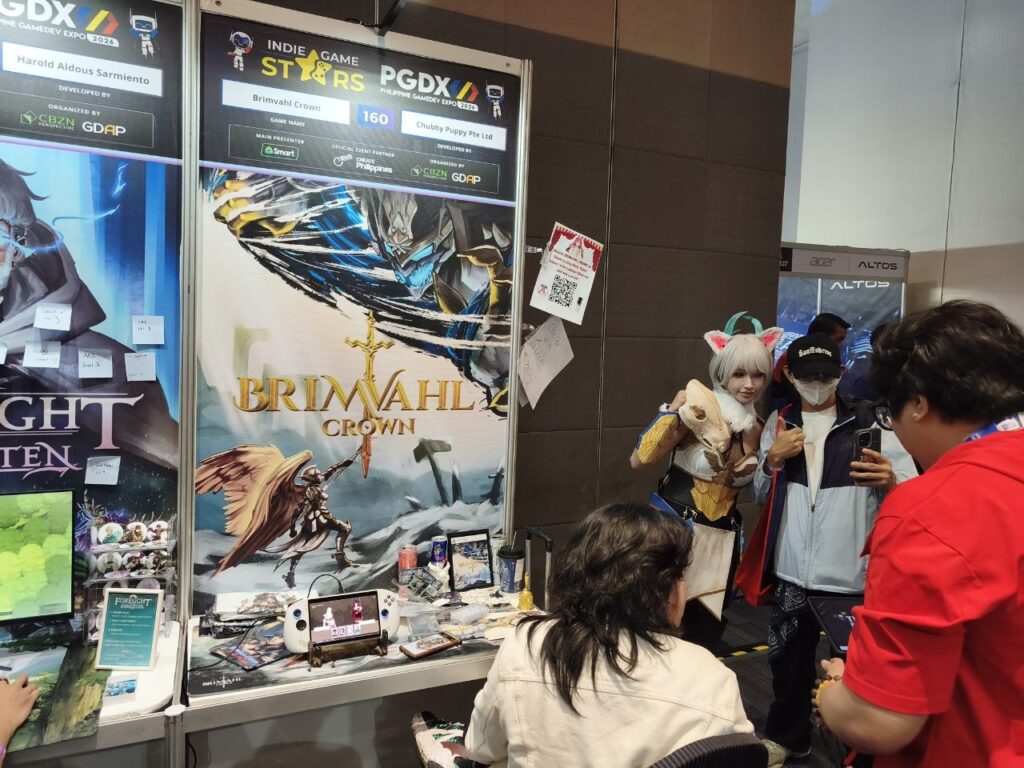
There were years of perseverance hidden behind every playable build.
There were friendships, collaborations, setbacks, and countless hours spent bringing ideas to life.
If PGDX is a celebration of gaming, then Indie Game Stars is the place where the future of Philippine game development truly comes alive.
And after experiencing it firsthand throughout all three days of the expo, one thing is certain:
We’ll definitely be back.
Our Commitment to Supporting Indie Developers
As we wrapped up our three days at Indie Game Stars, we left with more than just photos, gameplay footage, and interview notes.
We left with a deeper appreciation for the people working tirelessly behind every indie game.
At This Is Game SEA, we believe great games deserve to be seen, and great developers deserve to have their stories told.
That’s why our commitment to the indie community doesn’t end when an event is over. We’ll continue covering promising projects, featuring developer interviews, sharing game announcements, reporting on updates, and introducing Southeast Asian players to the incredible talent emerging from the Philippines and beyond.
If you’re an indie developer, publisher, startup studio, student team, or game creator with a project you’d like us to feature, we’d love to hear from you.
Whether you’re announcing a new game, launching a demo, opening playtests, releasing a major update, sharing a crowdfunding campaign, or simply introducing your studio, our editorial team is always looking for stories worth sharing with the gaming community.
You can send your press releases, media kits, game announcements, review requests, interview opportunities, event invitations, and other editorial materials to dar@grabbermedia.com.
For advertising opportunities, media partnerships, and other business inquiries, you may also reach us at biz@grabbermedia.com.
The Southeast Asian game industry continues to grow because of the passion of its developers and the support of its community. If This Is Game SEA can help even one more studio reach new players, connect with new partners, or tell its story to a wider audience, then we’re more than happy to play our part.
Because every great game starts with someone brave enough to create it—and every great developer deserves to be discovered.