PC Gaming Revenue Now Dominated by Indie and Older Games, Says Report
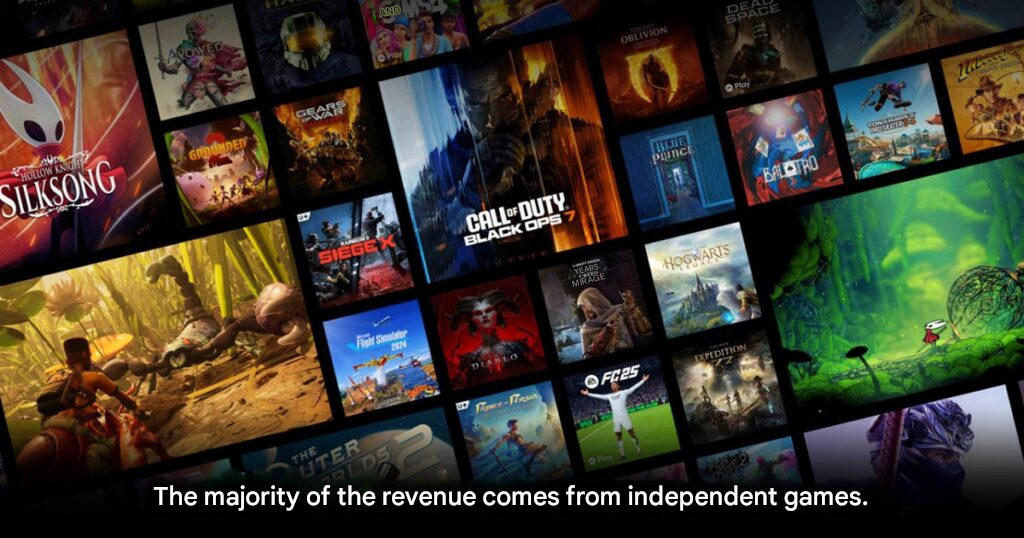
New report reveals a major shift as non-Top 20 games generate the majority of market income.
The PC gaming industry is undergoing a significant transformation, with a new report from Newzoo revealing that over 56% of total revenue in Western markets now comes from games outside the Top 20 rankings. This marks a clear shift away from the long-standing dominance of blockbuster AAA releases, highlighting the growing economic power of indie titles, legacy games, and mid-tier experiences.
According to the PC & Console Gaming Report 2026, this segment of the market has expanded considerably compared to previous years. Games ranked beyond the Top 20 are no longer just background players in the industry but have become a major financial force driving consistent revenue streams.
One of the key factors behind this shift is changing player behavior. Gamers are increasingly choosing to invest time in titles they already enjoy rather than constantly chasing new releases. The report notes that playtime for these non-top titles has increased by 44%, while engagement with Top 20 games has remained flat or even declined slightly. This suggests that players are prioritizing long-term engagement over short-lived hype cycles.
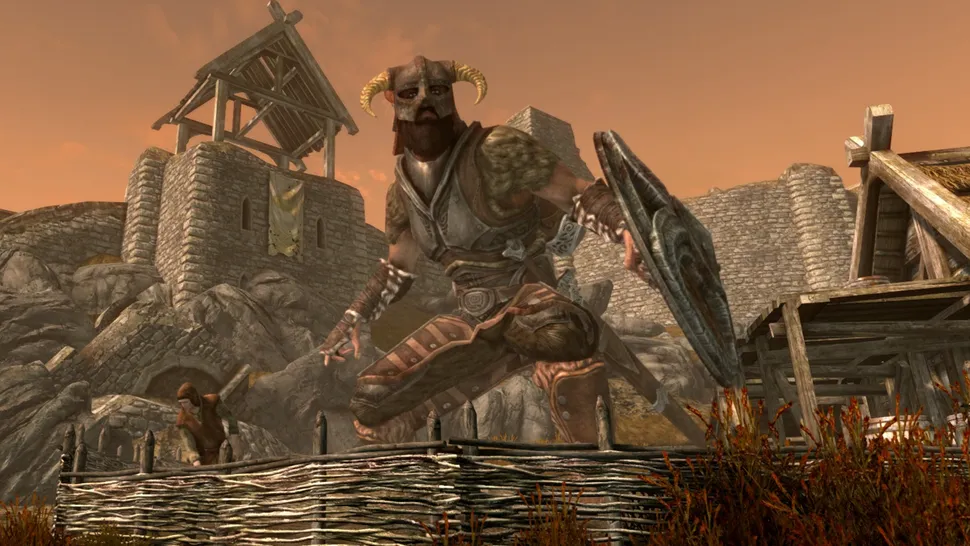
This trend has been especially beneficial for games that receive continuous updates and long-term support. Titles like Cyberpunk 2077, Elden Ring, and Skyrim continue to attract large player bases years after their initial release. Meanwhile, long-session games such as Rust, DayZ, and Path of Exile 2 are thriving thanks to their ability to keep players invested over extended periods.
The situation contrasts with console ecosystems, where player behavior tends to be more concentrated. On PlayStation platforms, players often gravitate toward annual sports titles or high-profile exclusives like God of War Ragnarok and Ghost of Tsushima. Meanwhile, Xbox usage patterns are heavily influenced by Game Pass, where player time is dictated by the availability of titles within the subscription service. This has led to a situation where new free-to-play titles struggle to gain traction, accounting for less than 1% of total playtime on the platform.
What we are seeing unfold is a real-world validation of the “Long Tail” theory, first popularized by Chris Anderson. The idea suggests that a large number of niche products can collectively generate more revenue than a small number of bestsellers. In the case of PC gaming, this theory is proving to be more relevant than ever, as older games and niche genres continue to generate steady income over time.
Even titles that have fallen out of mainstream attention, such as Kingdom Come: Deliverance 2 or smaller-scale projects, continue to perform well during discount periods or seasonal sales. This creates a sustainable ecosystem where games can remain profitable long after their initial launch window.
Tianyi Gu, Market Analyst Manager at Newzoo, emphasized that the financial importance of games outside the Top 20 will continue to grow. While major publishers still hold significant influence, the market is becoming more balanced, allowing smaller developers to achieve commercial success without needing blockbuster status.
This shift represents a major opportunity for indie developers and mid-sized studios. With billions of dollars circulating within the PC gaming ecosystem, success is no longer limited to the biggest names in the industry. Instead, consistent quality, long-term support, and player retention are becoming the new pillars of profitability in modern PC gaming.
Origin: PCGamer