5 Gaming News Stories That Instantly Frustrated Players
5 Gaming News Stories That Instantly Made Players Frustrated
In recent years, the gaming industry hasn’t just been filled with exciting announcements and new releases. It has also become a breeding ground for controversies that leave players feeling frustrated, disappointed, and sometimes outright angry. From aggressive monetization to questionable developer responses and unfinished launches, these issues have repeatedly tested the patience of gamers around the world.
Here are five major controversies that only take a moment to hear about before making anyone feel heated.
1. Aggressive Pricing and Overpriced Game Editions
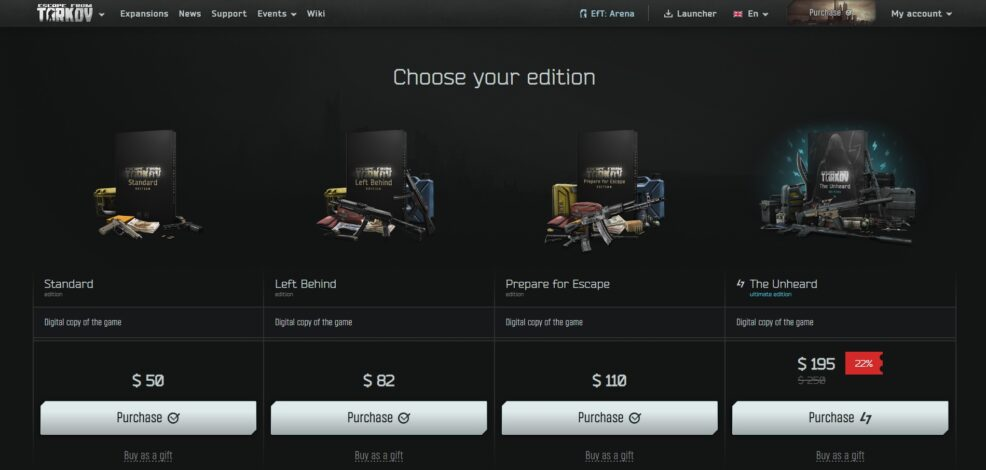
One of the most common triggers for frustration is pricing, especially when publishers push monetization to the limit. A notable example is Escape from Tarkov and its Unheard Edition, which launched at a staggering $250.
The backlash wasn’t just about the price itself. Players felt betrayed because the developers had previously promised that owners of the Edge of Darkness edition would receive all future DLC for free. Instead, exclusive features like a PvE mode were locked behind the new premium tier.
This move created the impression that loyal players were being left behind, turning what could have been a premium offering into a full-blown controversy.
2. Developers Clashing With Their Own Community
Another issue that quickly escalates tensions is when developers directly confront players. While transparency is often appreciated, tone matters more than ever in public spaces.
The situation with Helldivers 2 became a prime example when some developers responded sarcastically to player complaints about weapon nerfs on Discord. Instead of calming the situation, the responses intensified the backlash to the point where the CEO had to step in and apologize.
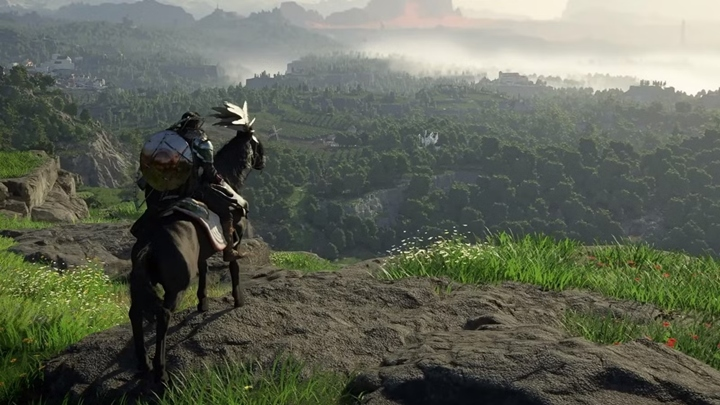
Similarly, Crimson Desert faced criticism over its controls, only for the developers to compare the experience to learning how to ride a bicycle. That explanation did little to satisfy players, eventually forcing the team to implement requested changes like customizable controls.
These incidents show how quickly communication can turn into conflict when handled poorly.
3. Character Design and Sensitive Topics
Few topics spark debate faster than character design and representation. The controversy surrounding Concord highlighted this clearly, as many players criticized the game’s character designs for lacking appeal. Some argued that the developers prioritized messaging over visual identity, ultimately hurting the game’s reception.
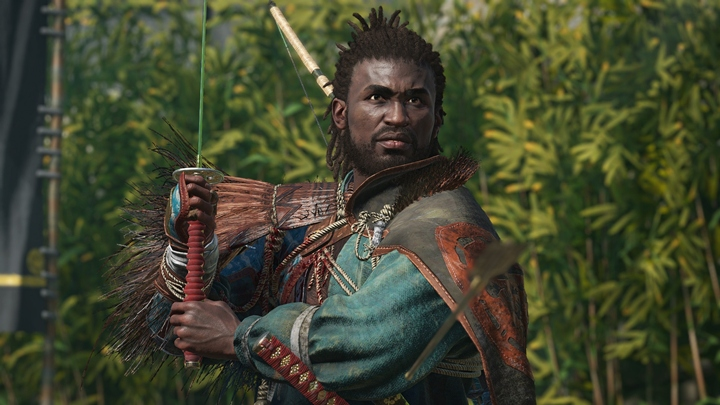
At the same time, Assassin’s Creed Shadows ignited discussions with its portrayal of Yasuke as a central character. While some players welcomed a fresh perspective, others felt it strayed too far from historical expectations.
These debates often go beyond the games themselves, evolving into broader cultural arguments that divide communities and fuel ongoing tension.
4. Decisions That Disappoint Loyal Fans
Sometimes the frustration doesn’t come from gameplay at all, but from studio decisions that seem disconnected from their fanbase.
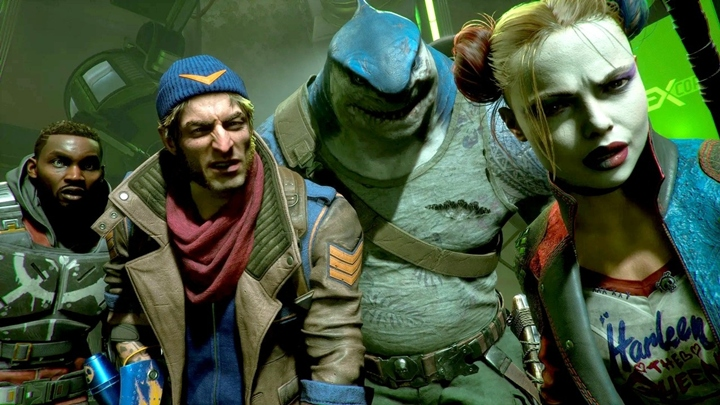
Rocksteady, once celebrated for the Batman Arkham series, faced criticism for shifting toward a live-service model with Suicide Squad: Kill the Justice League. Many fans felt the studio had abandoned what made them great.
Meanwhile, Xbox Game Studios drew backlash for shutting down Tango Gameworks, the team behind Hi-Fi Rush, despite the game’s critical success. For many players, this decision raised serious concerns about how success is defined within the industry.
These moments leave players questioning whether studios still prioritize creativity and player trust over corporate strategy.
5. “Release Now, Fix Later” Culture
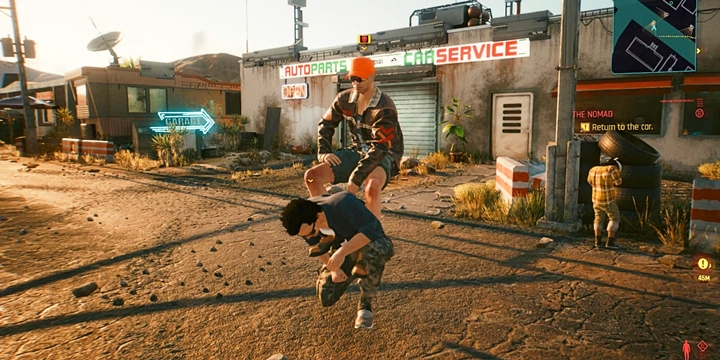
Perhaps the most exhausting trend is the growing acceptance of unfinished launches. Many AAA games now release at full price while suffering from bugs, performance issues, and technical instability.
PC versions, in particular, often receive the harshest criticism, with players encountering frame rate drops and optimization problems. Instead of addressing these issues beforehand, some developers rely heavily on technologies like DLSS or FSR to compensate.
When backlash hits, it is often followed by apologies and promises of future patches. However, this cycle has created a sense that players are being asked to pay for incomplete products and wait for fixes later.
Over time, this has eroded trust, especially among those who support games at launch.
A Growing Disconnect Between Players and the Industry
These controversies highlight a deeper issue within the gaming industry today. It is no longer driven solely by fun and creativity, but increasingly shaped by business strategies, corporate decisions, and external pressures.
While some situations eventually improve through updates or apologies, the initial disappointment often leaves a lasting impact. For many players, the expectation is not complicated. They simply want games that are complete, fair, and respectful from day one.
As the industry continues to evolve, the challenge will be whether developers and publishers can rebuild that trust or continue to test the limits of their audience’s patience.